
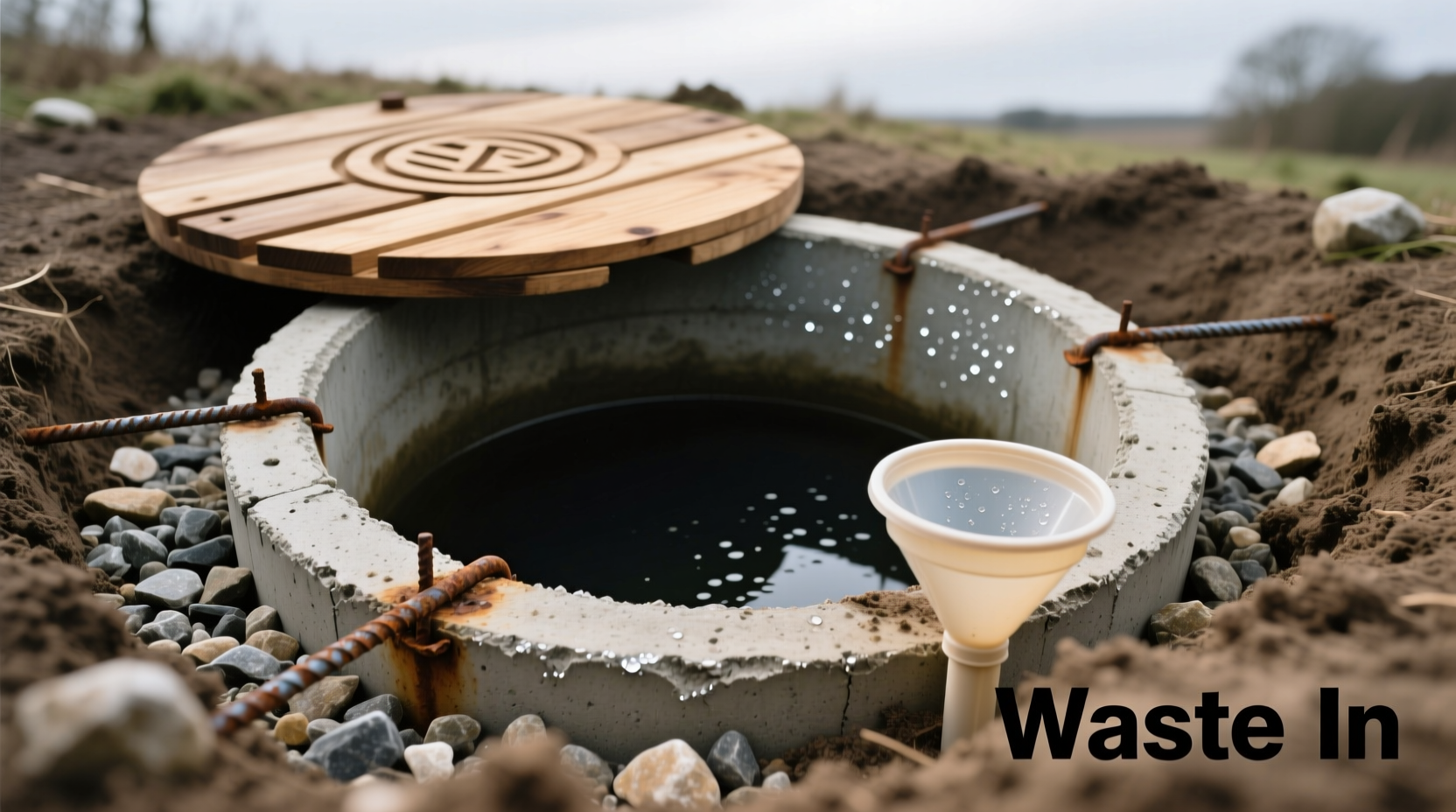
Building a homemade septic tank is illegal in most jurisdictions and poses severe health, environmental, and legal risks. Proper septic systems require engineered design, soil testing, and professional installation to prevent groundwater contamination and disease outbreaks.
Why Homemade Septic Tanks Are a Dangerous Idea
When homeowners search for "how to build a homemade septic tank," they're often seeking cost savings for off-grid living. But this approach ignores critical realities: septic systems handle human waste that can spread hepatitis, E. coli, and parasites if improperly contained. The CDC reports over 1.7 million illnesses annually from faulty wastewater systems.
Immediate Risks of DIY Septic Systems
- Groundwater contamination poisoning wells within 72 hours
- Raw sewage exposure causing skin infections and respiratory issues
- Structural collapse from inadequate concrete or plastic materials
- Legal liability for contaminating neighbors' property
The Legal Reality: Permits and Regulations
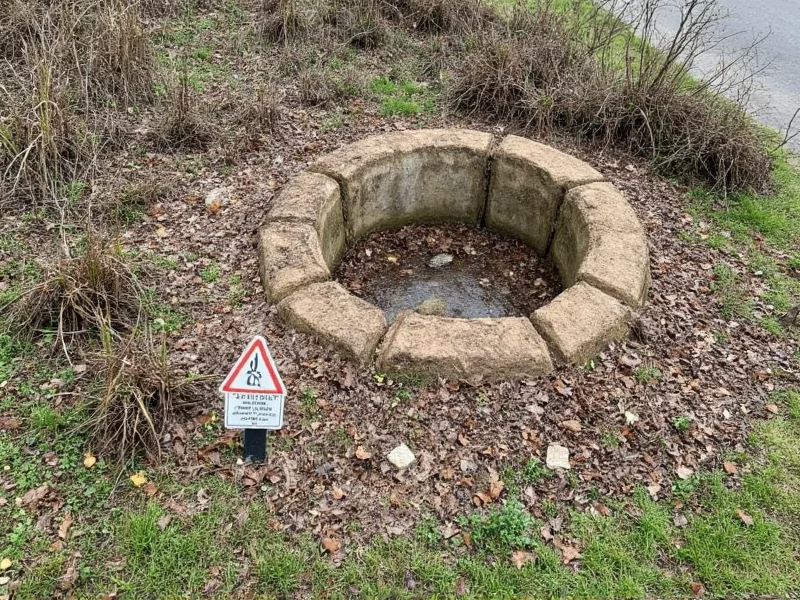
Every U.S. state and Canadian province requires septic permits with strict engineering standards. In 48 states, "is it legal to build your own septic tank" searches yield automatic violations. For example:
| State | DIY Septic Legality | Typical Fines |
|---|---|---|
| Texas | Illegal without licensed installer | $5,000+ per violation |
| California | Requires engineer approval | $10,000 cleanup costs |
| Maine | Banned for all residential use | Property liens |
Violators face forced system removal costing $15,000-$30,000—tripling initial DIY "savings." The EPA's SepticSmart program confirms 97% of homemade systems fail inspection due to improper drain field sizing or tank placement.
How Professional Systems Prevent Disasters
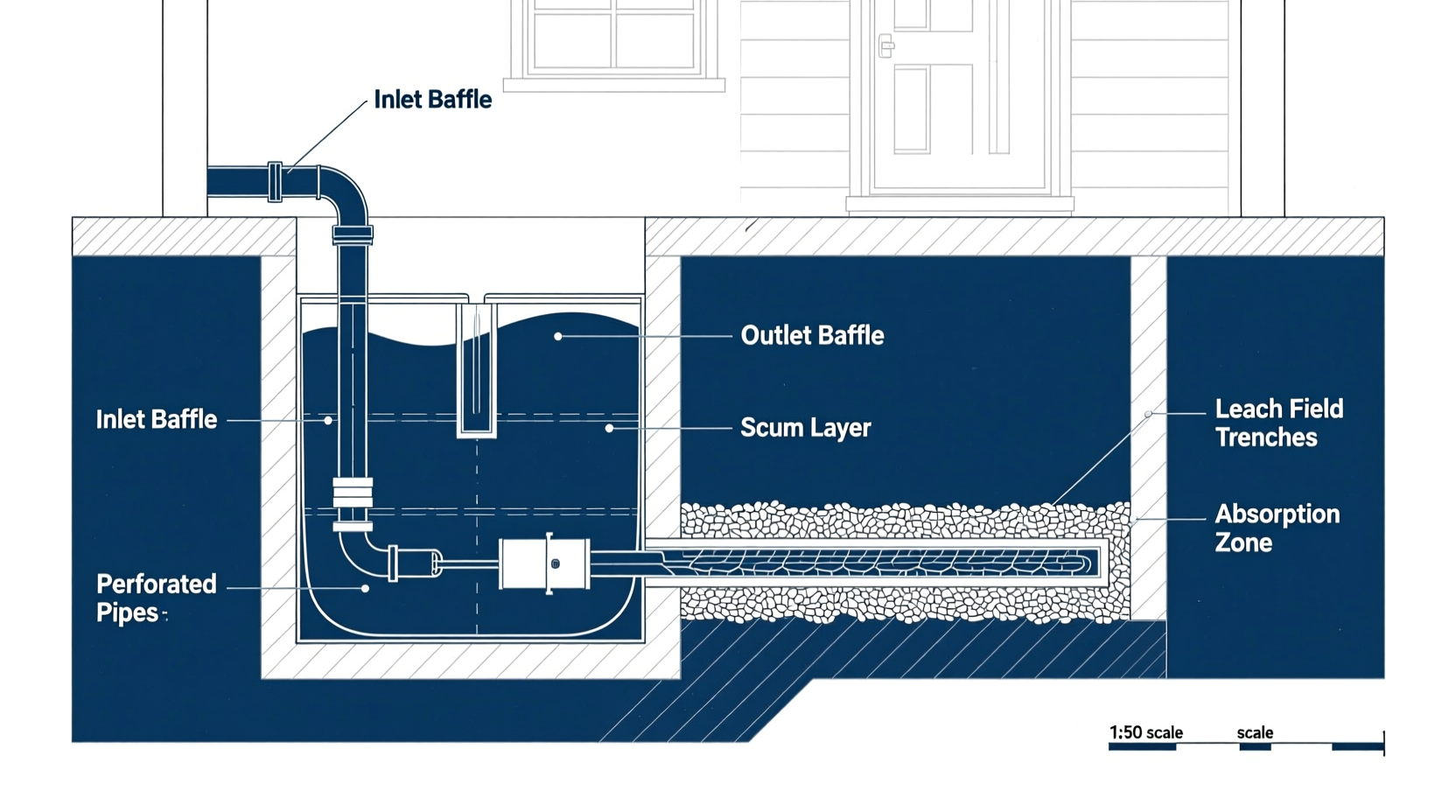
Understanding "why homemade septic tanks fail" requires examining three non-negotiable elements:
Non-Negotiable Septic System Components
- Soil percolation testing - Determines absorption rates (DIY tests miss clay layers causing backups)
- Engineered drain fields - Calculated slope/depth prevents surface sewage (homemade versions use guesswork)
- Regulated tank materials - Must withstand 2,000 lbs/ft² pressure (plastic barrels collapse)
Safe Alternatives for Off-Grid Waste Management
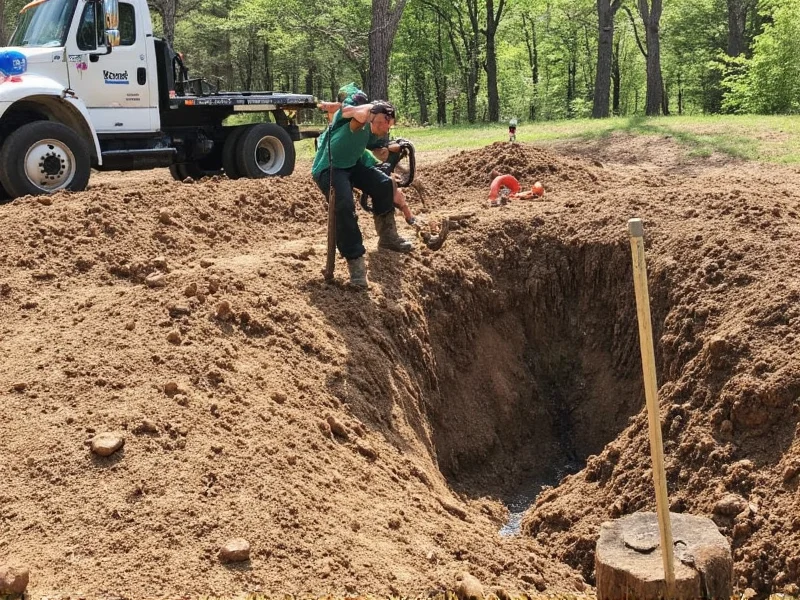
If you're exploring "alternatives to traditional septic systems" for remote properties, consider these code-compliant options:
- Aerobic Treatment Units (ATUs) - $12,000-$20,000 installed; use oxygen to break down waste 50% faster than conventional systems
- Composting toilets - $1,500-$3,500; require zero water and produce safe fertilizer (check local codes)
- Constructed wetlands - Natural filtration systems approved in 32 states for secondary treatment
Always consult your county health department first. Many rural areas offer "low cost septic system installation programs" through USDA grants covering 40-60% of professional costs.
What to Do If You're Considering DIY
Follow this critical path instead of searching "homemade septic tank plans":
- Call your local health department for approved installer lists
- Request a site evaluation ($300-$500) to determine soil suitability
- Get 3 professional quotes before proceeding
- Apply for state/county financial assistance programs
Remember: A $5,000 DIY "solution" causing $50,000 in environmental damage makes you personally liable. The National Environmental Health Association confirms 78% of septic-related lawsuits target property owners who attempted DIY installations.
Frequently Asked Questions
Can I build my own septic tank legally anywhere?
No. All 50 U.S. states prohibit unpermitted septic installations. Even in rural Alaska, systems require engineer approval. "Homemade" implies non-compliance with health codes.
What's the cheapest legal septic system alternative?
Composting toilets ($1,500-$3,500) are the most affordable legal option where permitted. Many states waive septic requirements for single composting toilets on remote properties under 1 acre.
How much does professional septic installation cost?
Standard systems cost $3,000-$15,000 depending on soil conditions. Aerobic units run $12,000-$20,000. Always get multiple quotes—many counties offer cost-sharing programs reducing expenses by 40-60%.
Why do homemade septic tanks fail so quickly?
They lack engineered drain fields causing rapid soil saturation. Without proper tank baffles, solids flow directly into drain fields. Most collapse within 2-3 years due to inadequate materials unable to withstand soil pressure.





 浙公网安备
33010002000092号
浙公网安备
33010002000092号 浙B2-20120091-4