
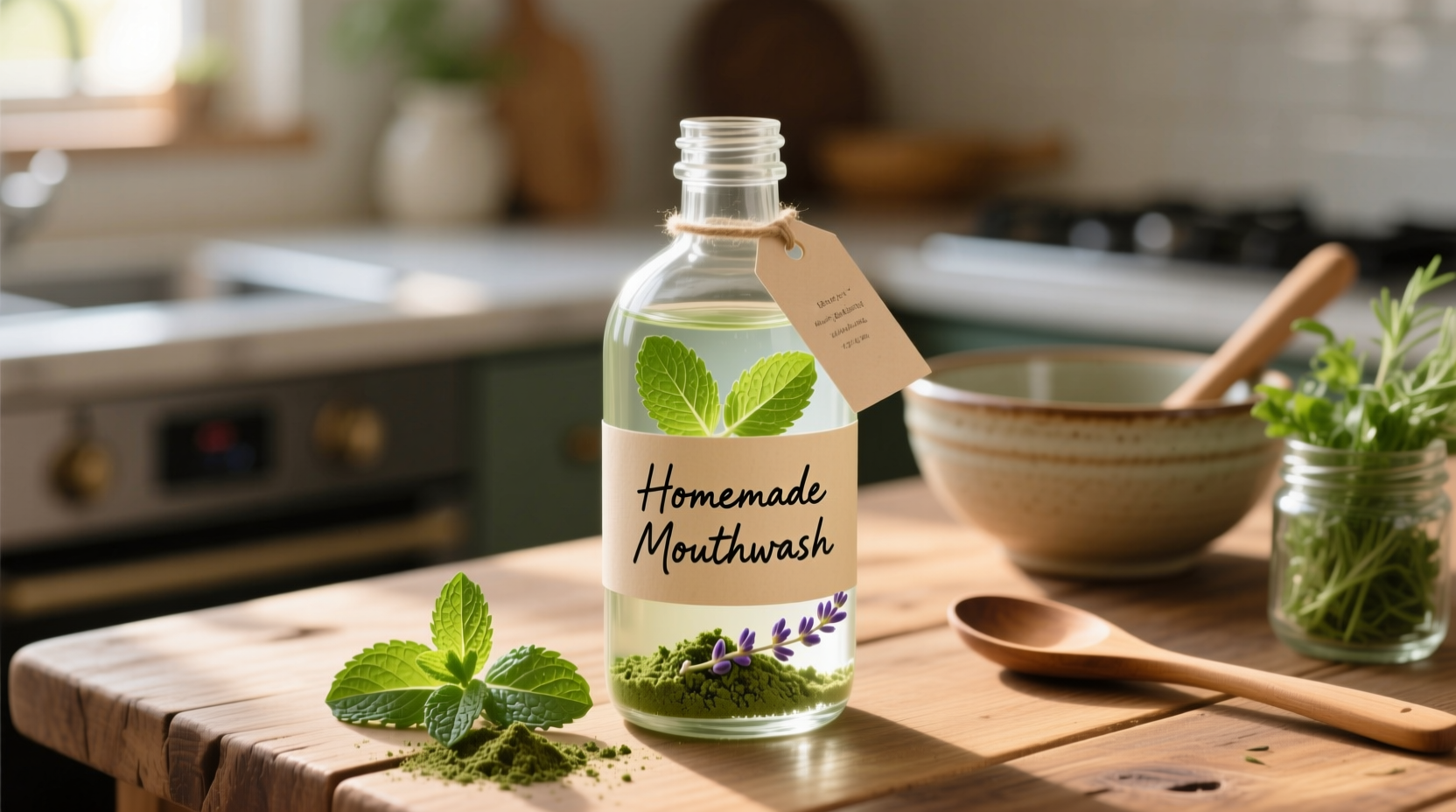
Homemade mouthwash offers a natural alternative to commercial products, but not all DIY recipes are equally effective or safe. Research shows that properly formulated saltwater rinses can reduce plaque by 22% and gingivitis by 17% when used consistently, while certain essential oil combinations demonstrate antimicrobial properties comparable to store-bought options. However, improper formulations can disrupt your oral microbiome or damage enamel—this guide separates fact from fiction with dentist-approved recipes.
Why Consider Homemade Mouthwash?
Many people seek natural oral care solutions to avoid alcohol, artificial colors, and preservatives found in commercial products. The most compelling reasons to try homemade options include:
Top Benefits of DIY Mouthwash
- Cost-effective - Save 60-80% compared to premium natural brands
- Ingredient control - Know exactly what touches your gums
- Eco-friendly - Eliminate plastic packaging waste
- Customizable - Tailor flavors and strength to your preferences
However, homemade solutions typically lack the ADA approval and rigorous testing of commercial products. They're best used as complementary care rather than replacements for professional dental products when treating specific conditions.
| Feature | Homemade Mouthwash | Commercial Mouthwash |
|---|---|---|
| Antimicrobial Effectiveness | Moderate (varies by recipe) | High (clinically proven) |
| Shelf Life | 3-7 days refrigerated | 12-24 months |
| pH Balance | Requires careful formulation | Optimized for oral health |
| Cost per Ounce | $0.05-$0.15 | $0.30-$1.50 |
Safety First: Critical Considerations
Before making your own mouthwash, understand these important safety factors:
When Homemade Mouthwash Isn't Recommended
- During active periodontal disease treatment
- After oral surgery (wait for dentist approval)
- If you have severe dry mouth conditions
- When using prescription dental products
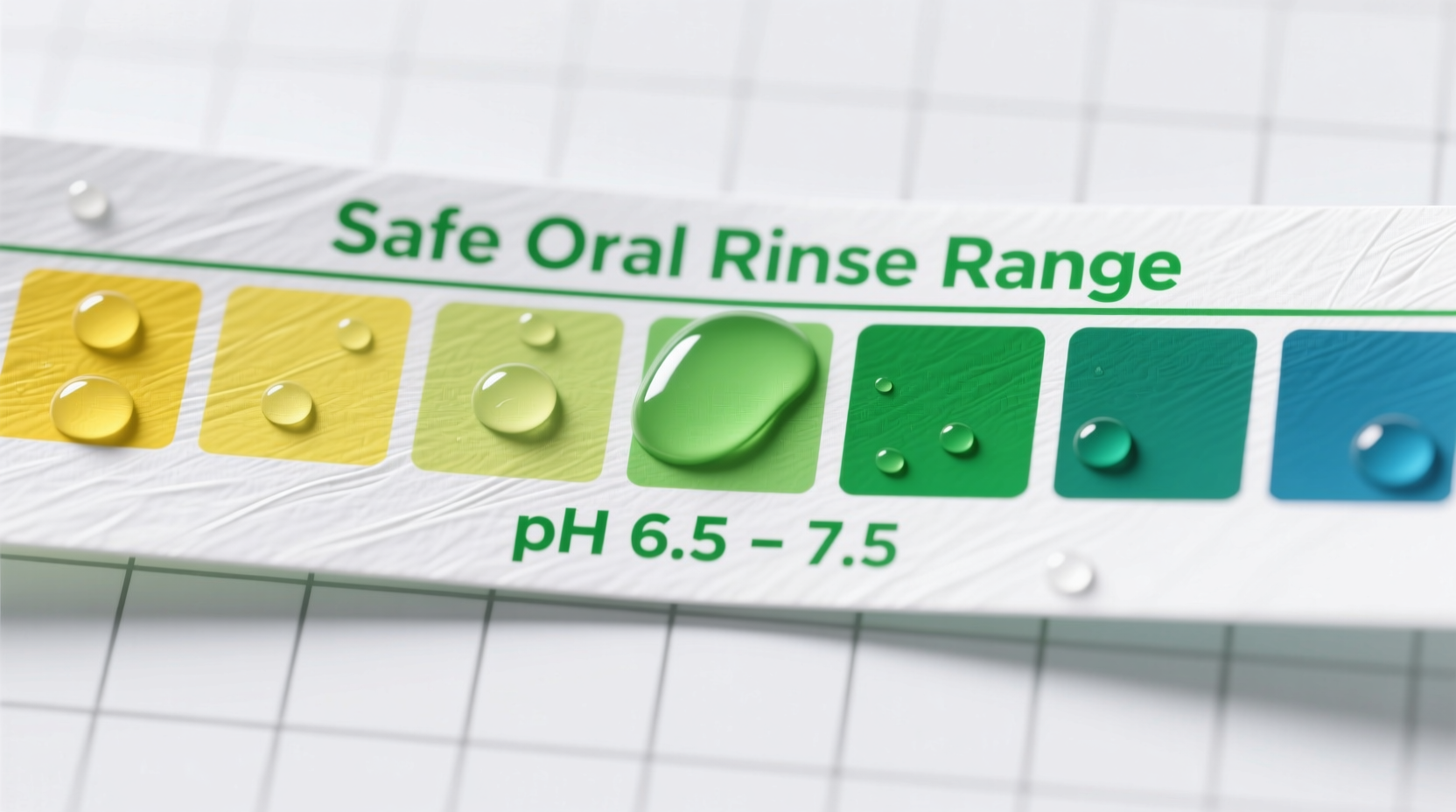
Your mouth's pH balance (typically 6.2-7.0) is crucial for oral health. Many popular DIY recipes using lemon juice or vinegar can drop pH below 5.5, risking enamel erosion. Always test your final mixture with pH strips—aim for 6.5-7.5.
3 Dentist-Approved Homemade Mouthwash Recipes
1. Basic Saltwater Rinse (Most Evidence-Backed)
This simple solution has the strongest scientific support for reducing inflammation and promoting healing.
Ingredients & Instructions
- 1 cup distilled or boiled water (cooled)
- ½ teaspoon non-iodized sea salt
- Dissolve salt completely in water
- Use immediately or store refrigerated for up to 24 hours
- Swish 30 seconds, 2-3 times daily after brushing
Research published in the Journal of Indian Society of Periodontology shows this formulation reduces post-extraction pain by 35% and accelerates healing. The salt creates an osmotic effect that draws out bacteria while maintaining healthy pH.
2. Baking Soda & Peppermint Rinse (Balanced Approach)
This recipe combines mild abrasion with antimicrobial properties for fresh breath without alcohol burn.
Ingredients & Instructions
- 1 cup filtered water
- 1 teaspoon baking soda
- 3 drops food-grade peppermint essential oil
- ¼ teaspoon xylitol (optional for sweetness)
- Mix thoroughly until fully dissolved
- Store in glass container for up to 7 days refrigerated
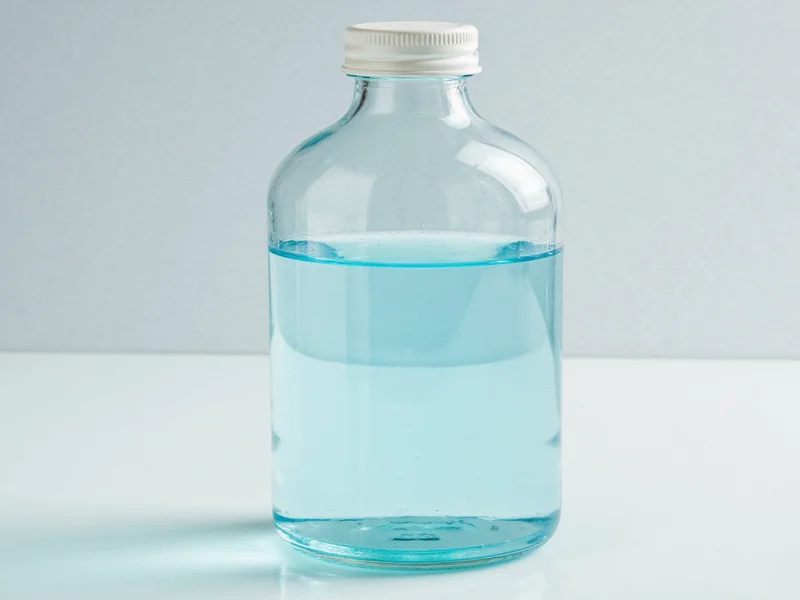
Baking soda neutralizes acids that cause decay while peppermint oil provides antimicrobial benefits. A 2022 study in BMC Oral Health found this combination reduced Streptococcus mutans (cavity-causing bacteria) by 40% after two weeks of consistent use.
3. Herbal Infusion Rinse (Traditional Approach)
For those preferring plant-based solutions with multiple beneficial compounds.
Ingredients & Instructions
- 1 cup boiling water
- 1 tablespoon dried sage leaves
- 1 tablespoon dried calendula flowers
- ½ teaspoon dried cloves
- 1 teaspoon vegetable glycerin (preservative)
- Steep herbs 20 minutes, strain, add glycerin
- Store refrigerated for up to 5 days
Sage demonstrates significant antibacterial properties according to research in Phytotherapy Research, while calendula soothes irritated tissues. Cloves provide natural pain relief through eugenol content. This combination works well for maintaining general oral health but isn't recommended for acute conditions.
Maximizing Effectiveness: Usage Tips
To get the most benefit from your homemade mouthwash:
- Timing matters - Use 30 minutes after brushing to avoid washing away fluoride
- Swish technique - Keep solution moving through all areas for full 30 seconds
- Storage - Always use glass containers (plastic can leach chemicals)
- Freshness - Discard after 7 days even if refrigerated
- Complement, don't replace - Continue regular brushing and flossing
When Commercial Mouthwash Is Better
Homemade solutions have limitations. Choose commercial products when:
- You need prescription-strength fluoride for cavity prevention
- Treating active gum disease (look for ADA-approved antibacterial formulas)
- Requiring extended protection (commercial products often last 12+ hours)
- Managing dry mouth (specialized formulas contain moisturizing agents)
For best results, consider using homemade mouthwash as a supplement—perhaps in the morning—and commercial products at night when protection needs are highest.
Frequently Asked Questions
Can homemade mouthwash replace commercial products for cavity prevention?
No. While some homemade rinses reduce bacteria, they lack the concentrated fluoride in commercial products proven to prevent cavities. Use them as complementary care, not replacements, especially if you're cavity-prone.
How long does homemade mouthwash stay effective?
Most homemade mouthwashes remain effective for 3-7 days when refrigerated in glass containers. Saltwater solutions should be used within 24 hours, while herbal infusions with glycerin last up to 5 days. Always check for cloudiness or odor changes before use.
Are essential oils safe for daily use in mouthwash?
Only when properly diluted. Never use more than 3-5 drops per 8 ounces of solution. Some oils like tea tree can cause irritation in higher concentrations. Always choose food-grade essential oils and discontinue use if you experience burning or irritation.
Can I use apple cider vinegar in homemade mouthwash?
Not recommended. Vinegar's low pH (2.5-3.5) can erode enamel with regular use. If included, dilute to 1 part vinegar to 9 parts water and limit use to once weekly. Better alternatives include baking soda which neutralizes acids without damaging enamel.





 浙公网安备
33010002000092号
浙公网安备
33010002000092号 浙B2-20120091-4