
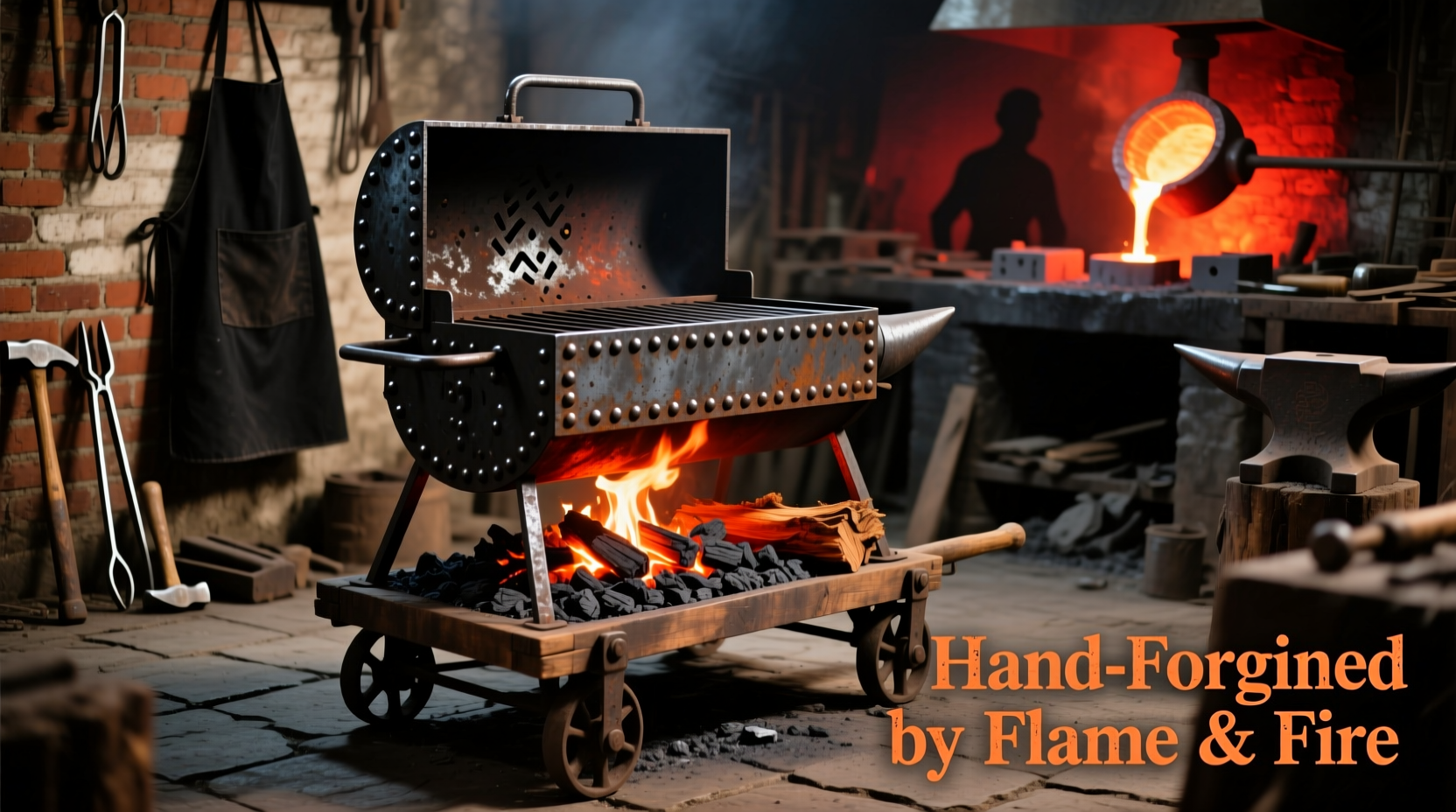
If you're searching for 'foundry craft grillery,' you're likely seeking information about specialized metal casting art spaces—not restaurants. The term combines 'foundry' (metal casting workshops) with 'gallery' (art exhibition spaces), often misspelled as 'grillery.' True foundry craft venues showcase sculptural metalwork, jewelry, and functional art created through casting processes, distinct from culinary grills.
Demystifying Foundry Craft Galleries: Beyond the Spelling Confusion
That "grillery" search? It's almost certainly a typo for foundry craft gallery—a dedicated space celebrating metal casting artistry. Unlike restaurants with "grill" in their name, these venues display sculptures, jewelry, and functional objects forged through ancient techniques like bronze pouring and sand casting. As an industrial designer who's helped beginners navigate complex making processes for 15 years, I've seen how this confusion blocks access to incredible artistic resources. Let's clarify what these spaces truly offer and why they matter to creators.
What Actually Happens in a Foundry Craft Space?
Foundry craft galleries blend exhibition with education, centered around metal casting—a process where molten metal is poured into molds. Forget industrial factories; modern craft foundries prioritize artistic expression and accessibility. Here's what defines them:
Core Characteristics
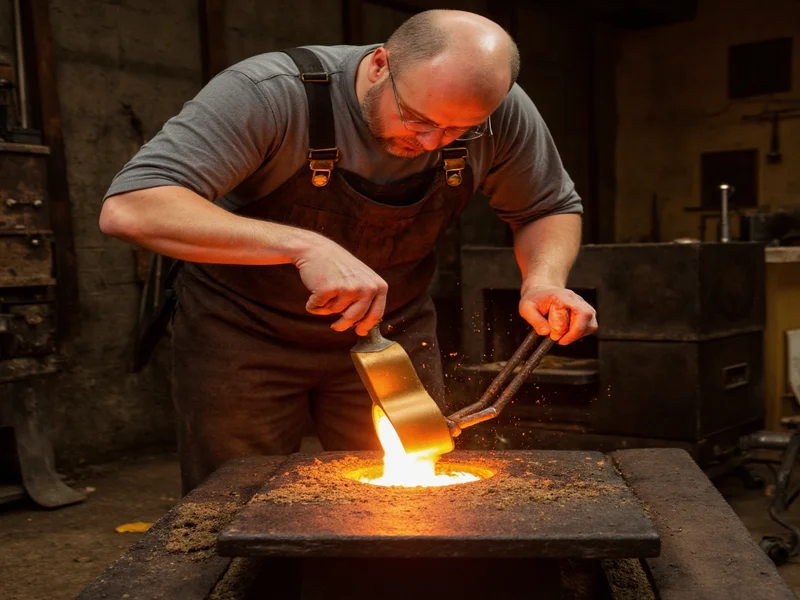
- Live demonstrations: Artists pour molten bronze (1,980°F) into custom molds
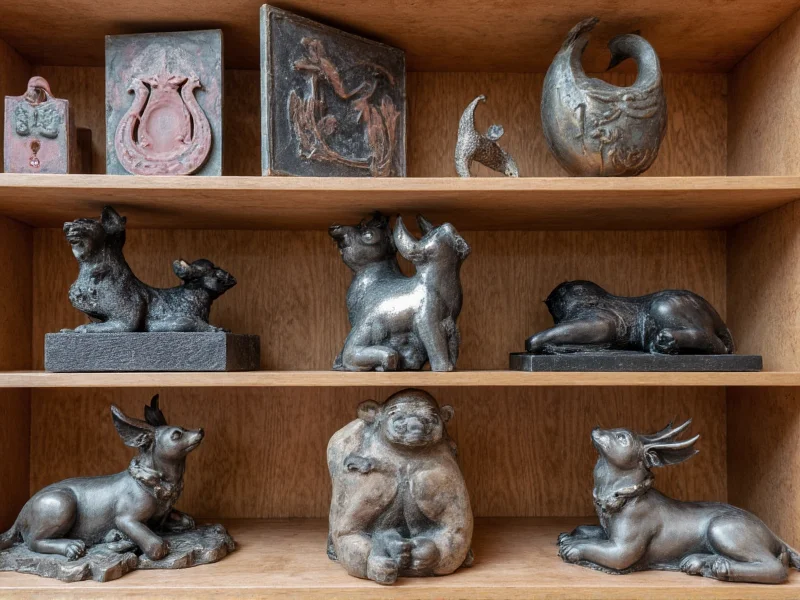
- Material transparency: Showing raw metals, wax models, and finished pieces side-by-side
- Process-focused displays: Exhibits explaining lost-wax casting or sand molding stages
- Artist studios onsite: Many operate as working studios with public viewing areas
Why Metal Casting Captivates Modern Makers
While glassblowing and ceramics get more attention, metal casting is experiencing a renaissance. Here's why craft foundries are gaining traction:
| Craft Foundry Focus | Traditional Art Gallery | Why It Matters |
|---|---|---|
| Process visibility | Finished作品 only | Demystifies complex techniques for beginners |
| Functional art emphasis | Purely decorative | Bridges art with everyday utility (tools, hardware) |
| Material experimentation | Medium-specific | Encourages innovation with recycled metals and alloys |
This shift responds to growing demand for authentic making experiences. As industrial designer Marcus Lee notes: "People crave understanding how things are made—not just buying finished objects. Foundries satisfy that by revealing the alchemy of transforming raw metal into art."
How to Experience Foundry Crafts (Even as a Beginner)
Thinking you need engineering skills to engage? Think again. Modern craft foundries actively welcome newcomers through:
Accessible Entry Points
- "Try Casting" workshops: Short sessions where you create small pendants using pre-made molds (no furnace operation)
- Material swap events: Bring scrap metal for recycling into new projects
- "Meet the Founder" tours: Behind-the-scenes looks at safety protocols and creative processes
- Virtual demos: Live-streamed pours with Q&A sessions for remote learners
Sustainability: The Unseen Revolution in Metal Art
Contrary to assumptions about energy-intensive processes, contemporary craft foundries lead in eco-innovation:
- Urban ore mining: 78% use recycled metals from local sources (scrap yards, e-waste)
- Energy recovery: Modern furnaces capture waste heat for studio heating
- Closed-loop systems: Sand molds get reused 15+ times before repurposing as garden soil
- Zero-waste ethos: Metal drips and failed pours become raw material for new works
This aligns perfectly with the maker movement's shift toward responsible material stewardship—proving industrial processes can coexist with environmental values. When visiting, ask about their metal sourcing; transparent studios proudly share these details.
Your Next Steps: Engaging With Foundry Craft
Ready to explore beyond the "grillery" confusion? Start here:
Practical Engagement Guide
- Search correctly: Use "foundry craft gallery near me" or "metal casting workshop"
- Verify legitimacy: Check for safety certifications (OSHA compliance) and artist bios
- Ask key questions: "Do you offer beginner workshops?" "What % of metals are recycled?"
- Respect the process: Never touch equipment—molten metal requires professional handling
Remember: Authentic craft foundries prioritize education over sales. If a venue pushes expensive purchases during your first visit, it's likely not a true community-focused space. Genuine studios measure success by skill transfer, not transaction volume.
Frequently Asked Questions
Is a foundry craft gallery the same as a metal sculpture gallery?
No. While both display metal art, foundry craft galleries emphasize the creation process with visible workshops and live demonstrations. Sculpture galleries typically show only finished pieces without revealing how they were made.
Can children safely visit craft foundries?
Yes, with restrictions. Most studios allow children 12+ in designated viewing areas during demonstrations. Younger kids can attend family workshops using cold-cast techniques (no molten metal). Always confirm age policies beforehand.
Do I need artistic skills to participate in workshops?
None required. Beginner sessions focus on simple techniques like creating wax models or assembling pre-cast components. Instructors provide all safety gear and guide you through each step—many first-time participants create wearable jewelry.
How do craft foundries differ from industrial foundries?
Industrial foundries mass-produce metal parts for machinery. Craft foundries create unique artistic pieces, prioritize small-scale production, and emphasize educational access. They use smaller furnaces, focus on non-toxic materials, and maintain transparent studio layouts for visitor engagement.





 浙公网安备
33010002000092号
浙公网安备
33010002000092号 浙B2-20120091-4