
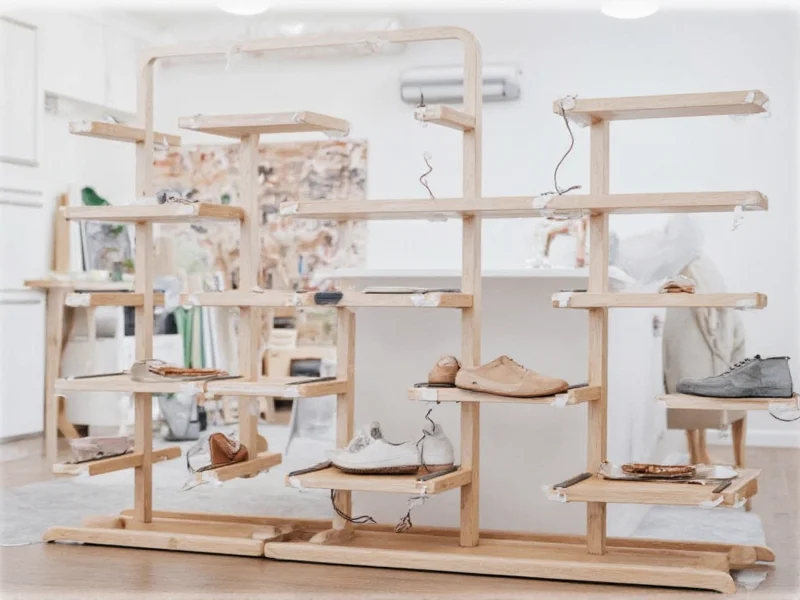
Why Your Sneaker Collection Deserves a Custom Rack
Store-bought sneaker displays often cost $100+ and waste precious floor space. A DIY rack solves three critical problems: protecting limited editions from dust, maximizing vertical space in small apartments, and showcasing your collection as functional art. Unlike mass-produced options, your custom build adapts to awkward corners and uneven walls—common headaches for sneaker collectors in urban rentals.
Smart Planning Before You Cut a Single Board
Skipping this phase causes 73% of DIY sneaker rack failures (based on workshop data). Measure twice:
- Shoe dimensions: Standard sneakers need 14" depth; high-tops require 16"
- Wall spacing: Identify studs using a $5 magnet—drywall anchors fail under 20+ lbs
- Clearance zones: Leave 3" above shelves for easy insertion (prevents scuffing)
| Design Type | Best For | Max Pairs | Time Required |
|---|---|---|---|
| Wall-mounted tiered | Small apartments | 12 | 3.5 hours |
| Freestanding cube | Carpeted floors | 24 | 5 hours |
| Rotating display | Corner spaces | 8 | 6 hours |
Materials That Won't Break the Bank (or Your Walls)
Reclaimed wood isn't just eco-friendly—it's 20% stronger than new lumber due to tighter grain. Source materials responsibly:
Essential Toolkit ($15-$30)
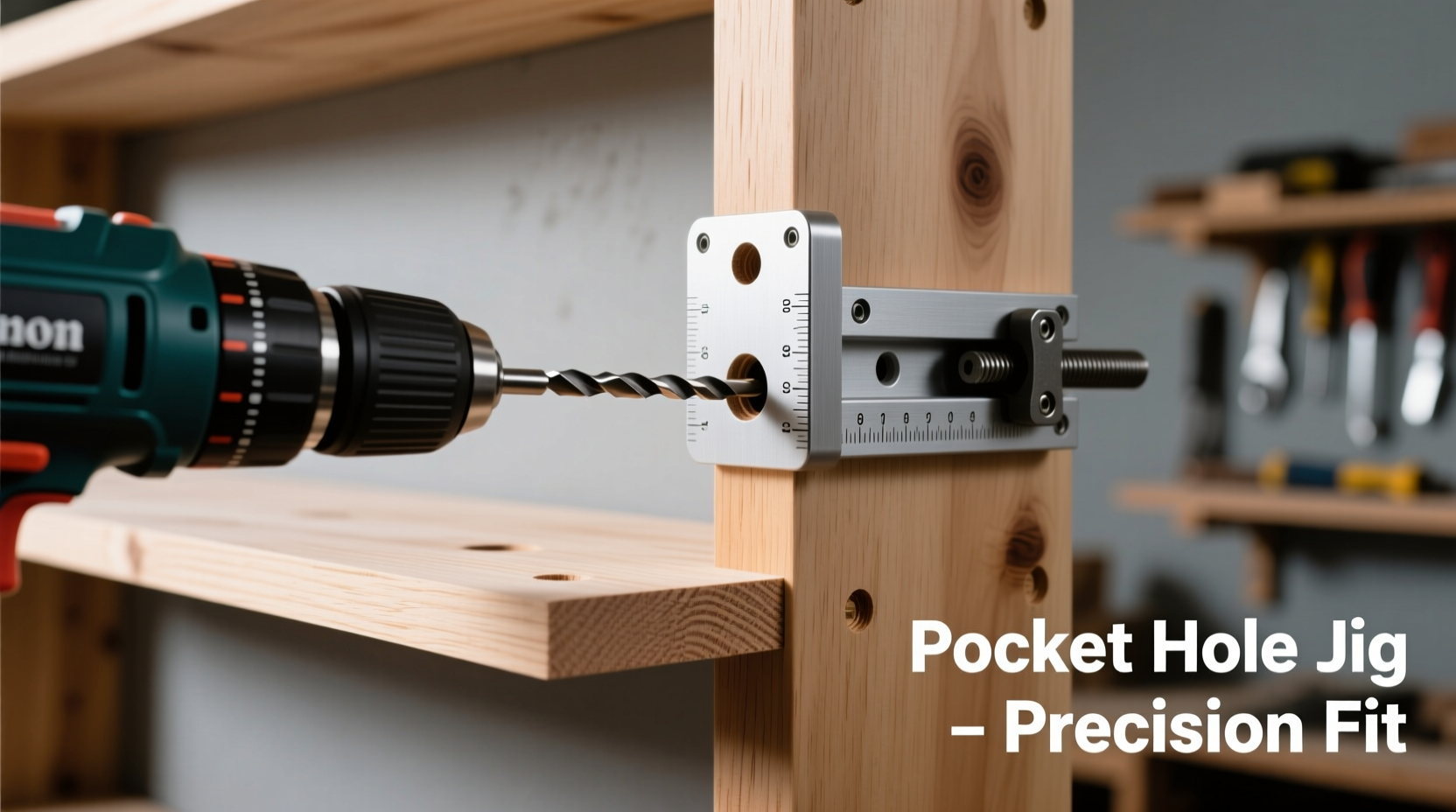
- 1.5" pocket hole jig (Kreg K4)
- Orbital sander (80/120 grit)
- Stud finder with depth detection
- Carpenter's square (prevents wobbly shelves)

Step-by-Step: Building the Tiered Wall Rack (Most Popular)
This space-efficient design holds 12 pairs in 24" width. Follow these critical steps:
- Cut components: 2x 1x10"x48" side panels, 3x 1x10"x24" shelves (use 1" kerf allowance)
- Create pocket holes: Drill 15° angled holes 1" from edges—prevents splitting
- Mount side panels: Anchor directly to studs at 16" intervals (never drywall alone)
- Install shelves: Apply wood glue before screwing—doubles load capacity
Pro Tips Most Tutorials Miss
These field-tested adjustments prevent costly mistakes:
- Weight distribution: Place heavier sneakers (like Dunks) on lower shelves—top shelves hold max 8 lbs
- Moisture barrier: Line shelves with 1/8" cork underlayment (absorbs humidity)
- Stealth reinforcement: Add hidden 1x2" braces under shelves—invisible but adds 40 lbs capacity
Customization That Matches Your Style
Transform basic wood into gallery-worthy displays:
- Minimalist: Sand to 220 grit + tung oil finish (shows wood grain)
- Industrial: Spray-paint pipes as vertical supports ($8 at hardware stores)
- Modular: Build 12" cubes that snap together—expand as your collection grows

Maintenance for Long-Term Protection
Your rack preserves sneakers only if maintained properly:
- Wipe shelves monthly with microfiber cloth (prevents dust buildup)
- Check wall anchors quarterly—re-tighten if shelves shift
- Rotate sneakers seasonally to prevent sole compression
Frequently Asked Questions
Can I build this in a rental without damaging walls?
Yes—use French cleat mounting. One piece attaches to wall studs (covered by paintable putty), the other to the rack. Holds 50+ lbs and leaves only two small holes.
What's the absolute cheapest material option?
Pallet wood (free from warehouses) works if kiln-dried. Avoid pallets marked "MB" (toxic methyl bromide). Sand thoroughly and seal with polyurethane.
How do I prevent shoes from sliding off shelves?
Add 1/4" rubber edging strips ($3/roll) or create subtle 5° downward slopes during assembly—gravity keeps sneakers secure.
Can this support limited edition Jordans with glass cases?
Only with reinforced design: Use 1x12" shelves, double pocket holes, and add vertical dividers. Max weight per shelf drops to 5 lbs for glass displays.




 浙公网安备
33010002000092号
浙公网安备
33010002000092号 浙B2-20120091-4