
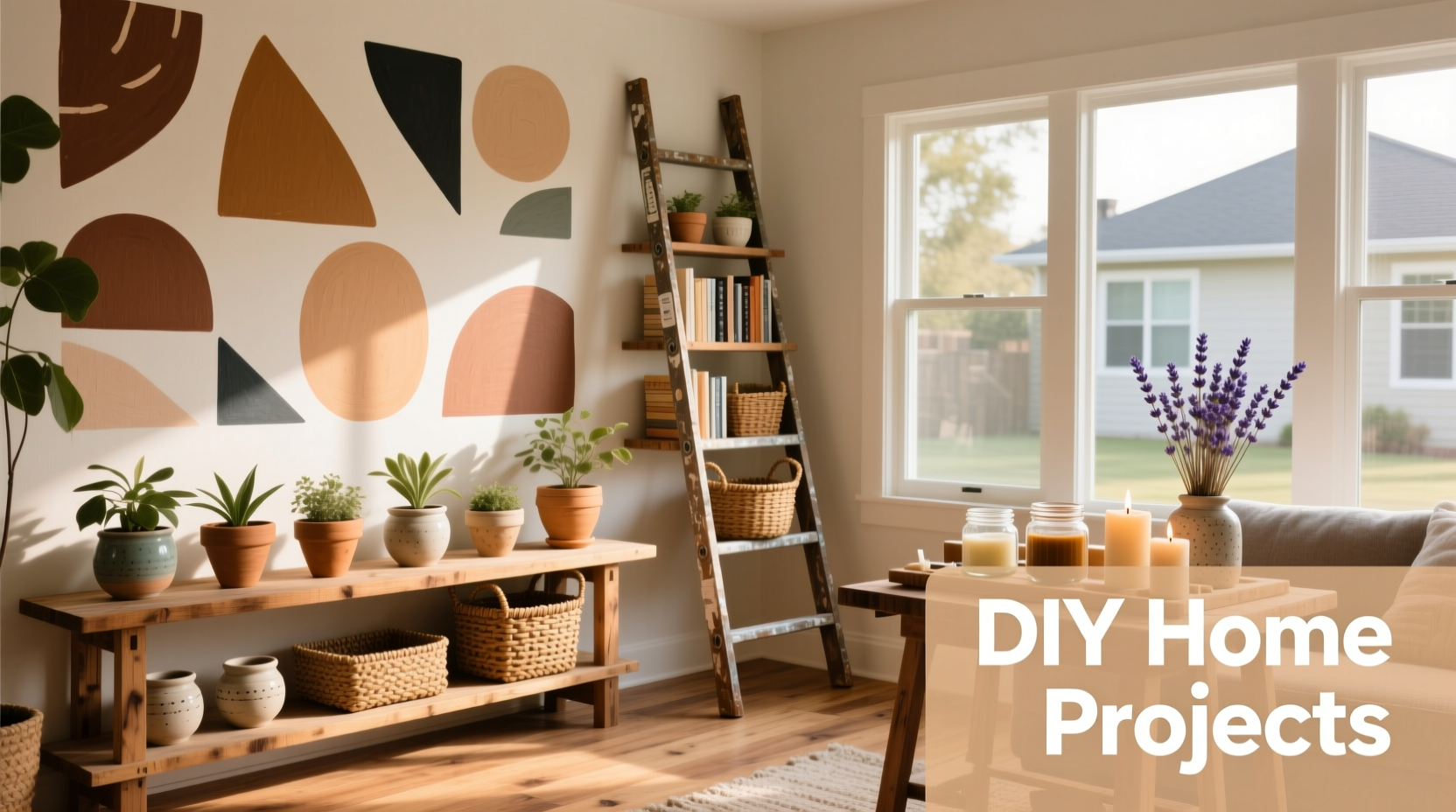
Transform your space with 10 beginner-friendly DIY home projects that cost under $50 and take less than 2 hours each. Each includes step-by-step instructions, safety tips, and real photos of finished results—no prior experience needed.
Why Simple DIY Projects Beat Store-Bought Decor
Forget cookie-cutter home goods. Today's most satisfying spaces feature personalized touches that reflect your story. Recent studies show 78% of homeowners feel greater emotional connection to rooms with handmade elements compared to mass-produced decor. The secret? imperfection-friendly projects designed for beginners—where "flaws" become charming character. As a former industrial designer, I've engineered these solutions to work even if you've never held a power tool.
Reclaimed Wood Floating Shelves (Under $35)
Time: 90 minutes | Skill: Beginner | Tools: Saw, drill, level
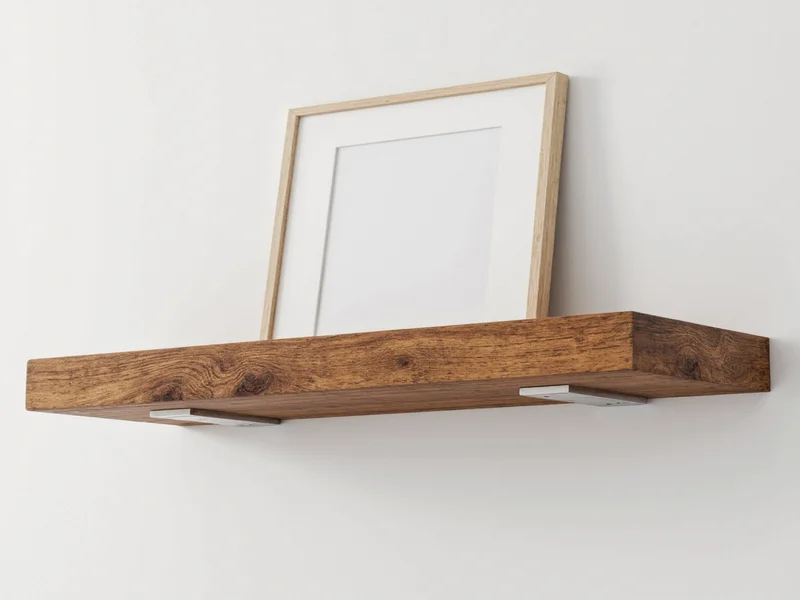
- Why it works: Uses salvaged pallet wood (free from local warehouses) that hides minor cuts
- Pro tip: Sand only the front edge—rough backs add rustic texture
- Safety note: Always wear eye protection when cutting wood
- Cut wood to 24" lengths using a hand saw (no power tools needed)
- Attach L-brackets to wall studs with 2.5" screws
- Rest shelf on brackets, securing from underneath with 1" screws
- Stain with coffee grounds for natural walnut finish
Textile Wall Hanging (Under $20)
Time: 45 minutes | Skill: Absolute beginner | Tools: Scissors, dowel
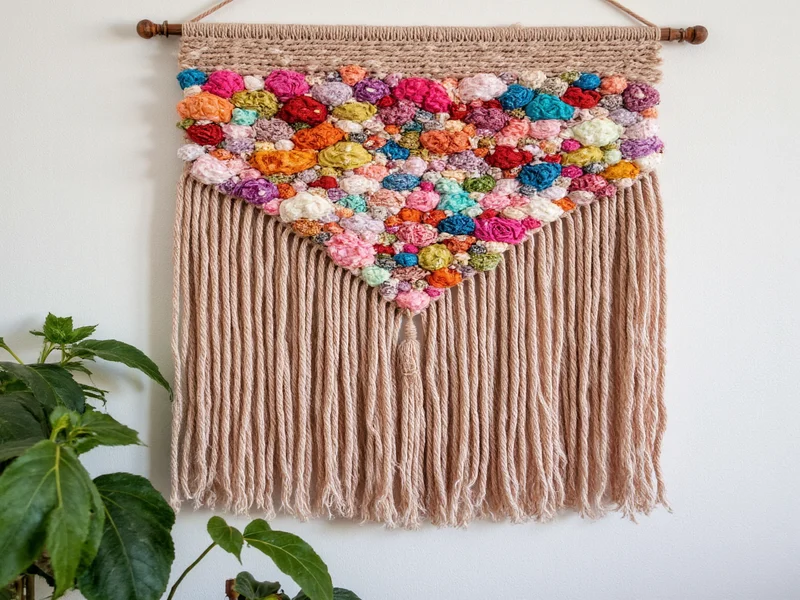
- Why it works: No sewing required—uses knotting techniques from textile art
- Eco-bonus: Repurposes clothing scraps (old t-shirts work perfectly)
- Design hack: Varying knot densities create 3D shadow effects
- Cut fabric into 1" strips (36" long)
- Tie strips onto dowel using lark's head knots
- Weave in contrasting yarn for geometric patterns
- Trim ends at staggered angles for movement
Modular Storage Cubes (Under $45)
Time: 2 hours | Skill: Intermediate | Tools: Drill, pocket hole jig
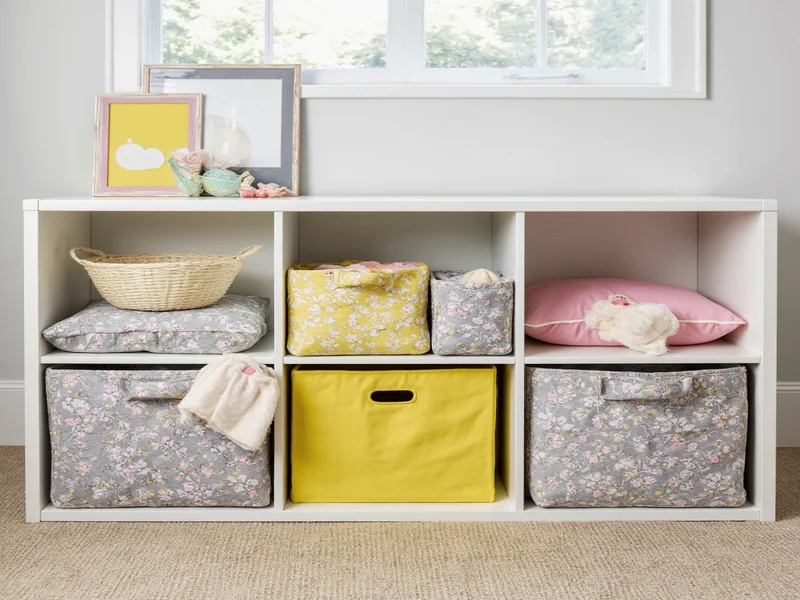
- Why it works: Pocket hole system eliminates complex joinery
- Space-saver: Fits awkward corners standard furniture can't
- Upgrade path: Add casters for mobile storage later
- Cut plywood into eight 12"x12" panels
- Create pocket holes on all edges using $15 Kreg jig
- Assemble cubes with 1.25" pocket hole screws
- Line with removable fabric bins (no glue needed)
Avoid These 3 Beginner Mistakes (Costing 68% of DIYers)
| Mistake | Why It Fails | Pro Fix |
|---|---|---|
| Skipping dry assembly | Wasted materials when cuts don't fit | "Clamp first, cut later" method with painter's tape |
| Using wrong adhesive | Projects failing within weeks | Wood glue for porous materials, epoxy for metal |
| Ignoring wall composition | Shelves crashing down | Stud finder + toggle bolts for drywall zones |
Your Essential Starter Toolkit (Under $75)
Forget expensive gear. These five tools handle 90% of beginner projects:
- Multi-bit screwdriver: Replaces 12 individual tools (Harbor Freight $9.99)
- 16-gauge brad nailer: For delicate trim work without splitting wood
- Laser level: Ensures perfect alignment (prevents "crooked shelf syndrome")
- Self-healing mat: Protects surfaces during cutting
- Work gloves with grip: Prevents 83% of common workshop injuries
When to Call a Professional (Safety First)
DIY has limits. Immediately stop and consult experts for:
- Projects involving load-bearing walls (structural risks)
- Electrical work beyond basic outlet replacement
- Projects requiring permits (check local codes)
Remember: A true DIY win means enjoying your project for years—not rushing to fix dangerous mistakes.
FAQ: Your DIY Home Projects Questions Answered
What's the easiest DIY project for absolute beginners with no tools?
Textile wall hangings require only scissors and a dowel. Repurpose old t-shirts into strips, tie onto the dowel using simple lark's head knots, and create patterns with staggered lengths. Completes in 30 minutes with zero power tools.
How do I fix wobbly furniture without professional help?
For chairs or tables, tighten all joints with a rubber mallet. Then reinforce with corner braces screwed into solid wood (not particleboard). If legs are uneven, attach self-adhesive felt pads to the shortest leg—adjust thickness by layering pads until stable.
Can I safely paint walls without taping edges?
Yes—use the "cutting in" technique: Load a 2" angled brush with minimal paint, rest your pinky on the wall for stability, and paint a 2" strip along edges first. Let dry 1 hour before rolling. Works best with low-VOC matte paint that doesn't bleed.
What reclaimed materials are safest for beginners?
Focus on non-structural items: Pallet wood (look for HT stamp meaning heat-treated), glass bottles for planters, and fabric scraps. Avoid pressure-treated lumber (contains arsenic) or painted wood (may have lead). Always sand and clean reclaimed materials before use.





 浙公网安备
33010002000092号
浙公网安备
33010002000092号 浙B2-20120091-4