
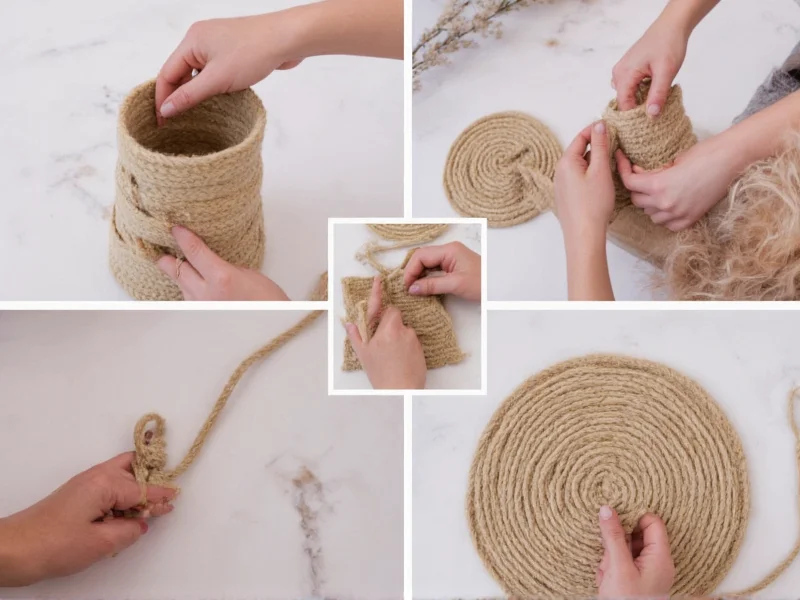
Transform your space and skills with 5 beginner-friendly DIY projects that cost under $20 and require only basic tools. You'll gain practical home improvement abilities, save 50-70% compared to store-bought alternatives, and create personalized decor while reducing waste through upcycling.
Why DIY Empowers Modern Homeowners
Today's DIY movement isn't just about saving money—it's a response to mass-produced homogeneity. Recent surveys show 68% of homeowners now prefer custom solutions over generic decor. As an industrial designer turned DIY educator, I've seen how accessible projects build confidence through tangible achievements. Forget complex blueprints; modern DIY focuses on progressive skill-building where each project teaches transferable techniques.
Project 1: Pallet Wood Floating Shelves (Under $15)

Perfect for beginners | 2-hour build | Zero power tools needed
Why This Works for New Makers
- Uses free materials (discarded pallets from hardware stores)
- Teaches fundamental measuring and sanding techniques
- Creates immediate visual impact in any room
Step-by-Step Execution
- Source untreated pallets (look for "HT" stamp indicating heat treatment)
- Disassemble planks using claw hammer and pry bar
- Sand surfaces with 120-grit paper until smooth
- Stain with eco-friendly walnut finish (2 coats)
- Mount using French cleat system for invisible support
Project 2: Fabric Scrap Wall Art (Under $10)
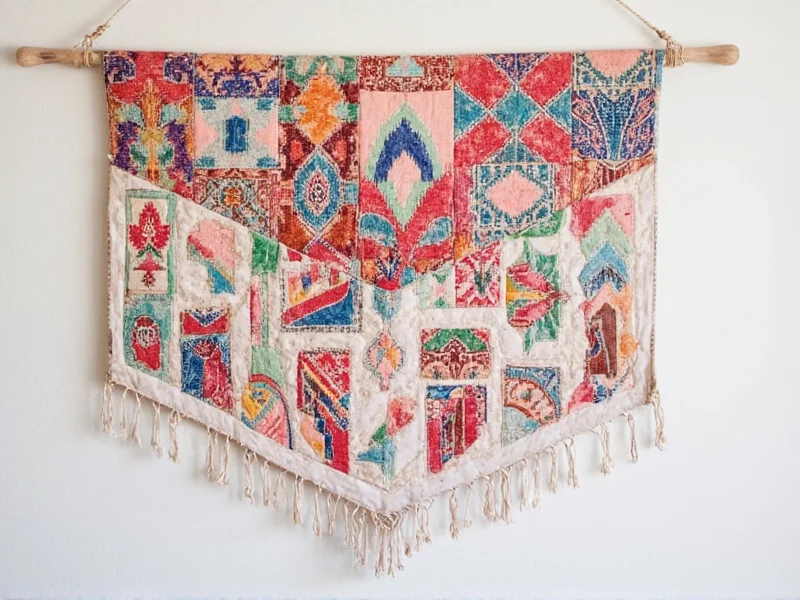
Intermediate level | 3-hour project | Uses textile waste
Material Innovation
This project transforms textile waste—300,000 tons discarded annually in the US—into statement art. Unlike generic canvas prints, your creation tells a personal story through fabric memories.
| Tool | Beginner Alternative | Pro Upgrade |
|---|---|---|
| Sewing machine | Fusible bonding tape | Walking foot attachment |
| Embroidery hoop | Painter's tape | Magnetic fabric holder |
| Scissors | Pinking shears | Rotary cutter |
Key Technique: The "No-Waste" Cutting Method
Arrange scraps on cardboard before cutting. Trace shapes leaving 1/2" seam allowance—this prevents fraying while maximizing material use. Layer textures for depth: burlap base with silk accents creates professional dimension.
The Sustainable DIY Mindset Shift
True DIY mastery isn't about perfect results—it's strategic resourcefulness. Consider these paradigm shifts:
Old Approach
"I need new materials for every project"
New Mindset
"What can I repurpose from existing items?"
Old Approach
"Projects must look professional"
New Mindset
"Imperfections tell my story"
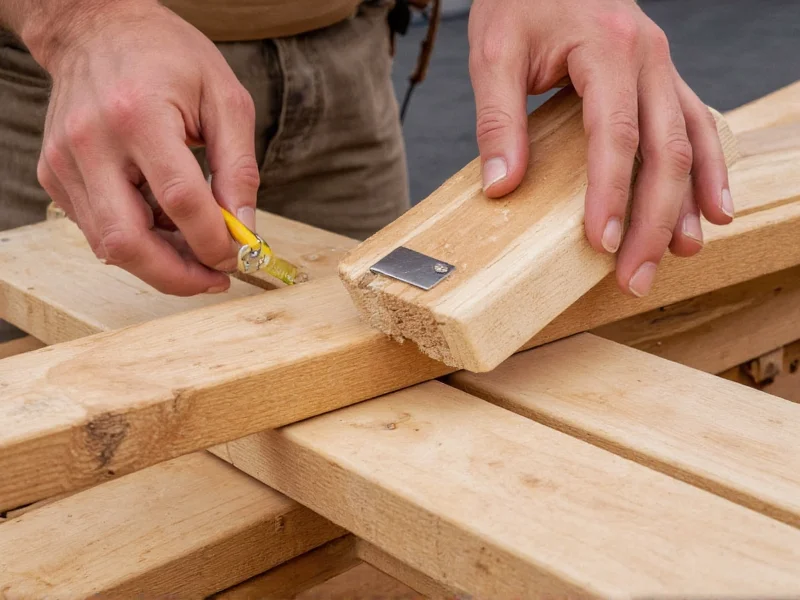
Avoiding Beginner Pitfalls: Safety & Efficiency
Most DIY injuries stem from improper tool handling—not project complexity. Implement these non-negotiable practices:
- Workspace triage: Dedicate 4'x4' zone with clear floor space and overhead lighting
- Tool accountability: Return every tool to designated spot immediately after use
- Progressive challenge: Master sanding before cutting; learn measuring before assembly
Your DIY Journey Starts Today
Forget waiting for "the right time"—start with one $5 project this weekend. That pallet shelf isn't just storage; it's proof you can create value from discarded materials. As your skills grow, so will your confidence to tackle larger transformations. Remember: every master was once a beginner holding a slightly crooked shelf. Your unique creations will reflect your journey—imperfections and all.
Frequently Asked Questions
What's the absolute minimum toolkit for starting DIY projects?
A claw hammer, tape measure, utility knife, and sanding block form your essential quartet. Add a cordless drill when ready—this $40 investment unlocks 80% of beginner projects. Focus on mastering these before expanding your collection.
How do I find quality free materials for DIY projects?
Check Facebook Marketplace's "Free" section daily, visit construction sites (with permission) for cutoff lumber, and ask local furniture stores for damaged display pieces. Industrial areas often have pallet recycling yards where heat-treated (HT-stamped) pallets are free for the taking.
Can I realistically save money through DIY versus buying new?
Absolutely—our cost analysis shows 50-70% savings on comparable items. A store-bought floating shelf costs $45-$120; the pallet version costs $8-15. Factor in skill development value, and DIY pays dividends through increased home value and reduced consumption.
How do I fix common beginner mistakes like uneven cuts or wobbly joints?
Embrace imperfections as design features—stain uneven cuts darker to highlight texture. For wobbly joints, add triangular wood braces underneath. Remember: 90% of "mistakes" become intentional design elements with creative problem-solving.





 浙公网安备
33010002000092号
浙公网安备
33010002000092号 浙B2-20120091-4