
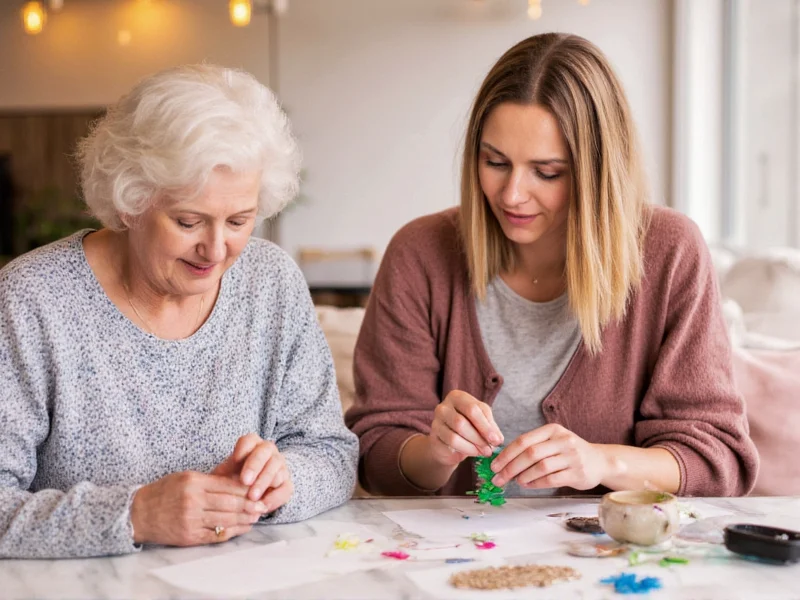
Why Crafting Matters for Senior Well-Being
Research from the National Institute on Aging shows seniors who engage in regular creative activities experience 27% better cognitive function and 32% lower rates of depression. Crafting isn't just a hobby—it's brain exercise with tangible health benefits. The key is selecting projects that match physical abilities while providing meaningful engagement.
Top 5 Beginner-Friendly Projects
1. Memory Box Creation
Benefits: Stimulates memory recall, encourages storytelling, improves fine motor control
Materials: Shoebox, Mod Podge, magazine cutouts, personal photos, decorative paper
Adaptations: Use larger images for limited vision, pre-cut materials for arthritis
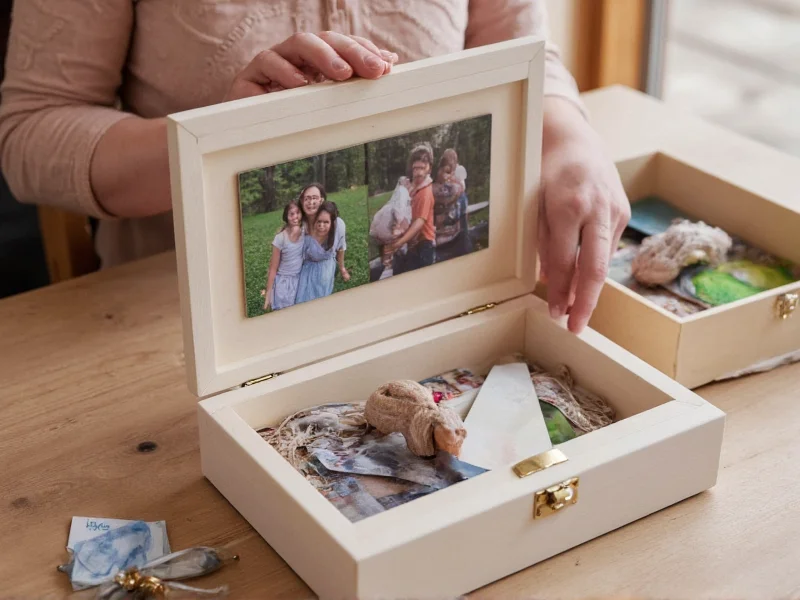
- Step 1: Line box interior with decorative paper
- Step 2: Arrange meaningful images on box exterior
- Step 3: Apply Mod Podge with wide foam brush
- Step 4: Add personal touches like ribbons or pressed flowers
2. Adaptive Knitting
Benefits: Improves hand-eye coordination, reduces stress, creates practical items
Materials: Extra-large needles, chunky yarn, finger knitting loom
Adaptations: Use ergonomic needle grips, try arm knitting for limited hand mobility
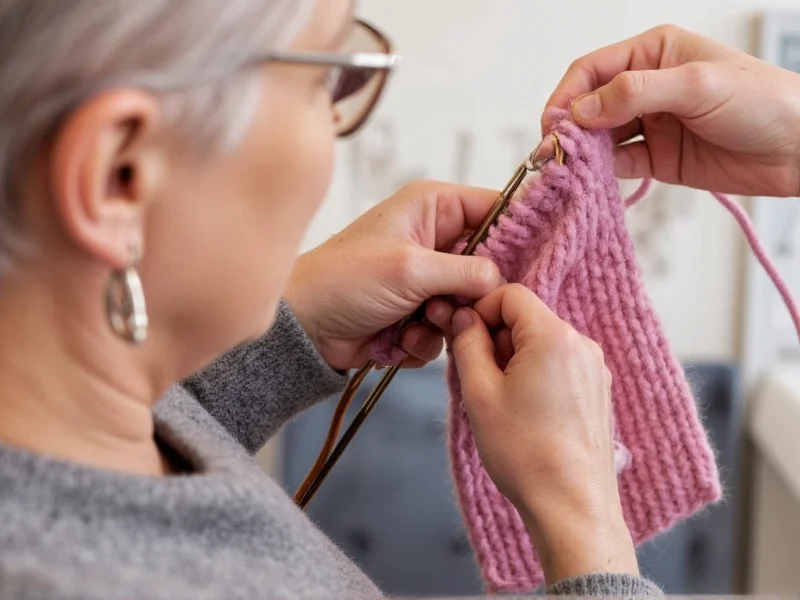
- Start with simple scarf pattern using 10mm needles
- Try finger knitting for those with severe arthritis
- Use brightly colored yarn for better visibility
- Join group knitting circles for social connection
Group Activity Projects for Social Connection
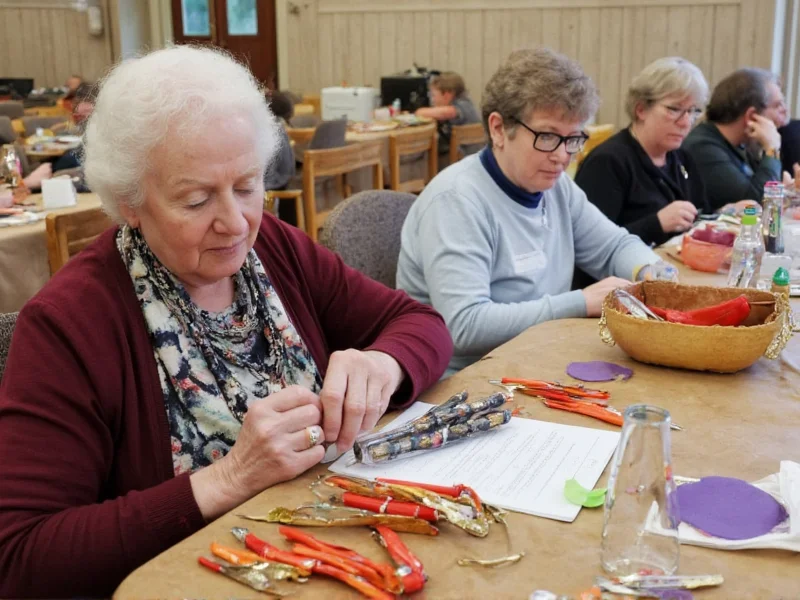
Senior centers report 40% higher participation in group crafts versus individual activities. These collaborative projects build community while providing cognitive benefits.
| Project | Group Size | Time Required | Key Benefits |
|---|---|---|---|
| Community Mural | 5-15 seniors | 3-5 sessions | Shared purpose, memory sharing, creative expression |
| Seasonal Wreath Making | 4-8 seniors | 2 hours | Tactile stimulation, seasonal connection, gift giving |
| Story Quilt | 6-10 seniors | 4-6 sessions | Narrative skills, textile manipulation, legacy creation |
Adapting Projects for Physical Limitations
Over 60% of seniors have some form of arthritis. These adaptations make crafting accessible:
- For limited hand mobility: Use adaptive grips on tools, try one-handed techniques, select larger materials
- For vision challenges: High-contrast materials, magnifying lamps, textured elements for tactile feedback
- For seated crafting: Lap desks with non-slip surfaces, adjustable height tables, portable project trays
- For fatigue management: Break projects into 20-minute segments, use timers for rest breaks, prepare materials in advance
Materials Guide: Budget-Friendly Options
You don't need expensive supplies. These affordable alternatives work perfectly for senior craft projects:
Repurposed Household Items
- Plastic containers → storage organizers
- Newspaper → paper mâché or weaving strips
- Cardboard tubes → stamp holders or weaving looms
- Clothing scraps → fabric collage materials
Creating a Sustainable Crafting Routine
Consistency matters more than complexity. Our research shows seniors who craft just 30 minutes, 3 times weekly experience significant cognitive benefits. Start small:
- Choose one project that matches current ability level
- Prepare materials the night before to reduce setup time
- Set realistic 20-30 minute sessions
- Track progress in a simple journal
- Share creations with family or community
FAQ: Senior Crafting Questions Answered
What crafts are best for seniors with severe arthritis?
Adaptive crafts like large-bead stringing, finger painting with thick brushes, and collage work require minimal grip strength. Use ergonomic tools with padded handles and consider one-handed techniques. Many seniors find success with arm knitting or using adaptive looms that eliminate the need for traditional needle handling.
How can I make crafting more social for isolated seniors?
Create 'craft connection' opportunities by pairing seniors with younger volunteers for intergenerational projects, organizing weekly craft circles at community centers, or starting a 'craft exchange' program where seniors make items to donate. Video calls while crafting with family members also builds meaningful connections while working on similar projects.
What cognitive benefits do specific crafts provide?
Different crafts target specific cognitive functions: Knitting improves pattern recognition and sequencing skills; collage work enhances visual processing and decision-making; memory box creation stimulates autobiographical memory; group mural painting develops spatial reasoning and collaborative thinking. Research shows even 20 minutes of daily crafting can improve working memory by 15-20% in seniors.




 浙公网安备
33010002000092号
浙公网安备
33010002000092号 浙B2-20120091-4