
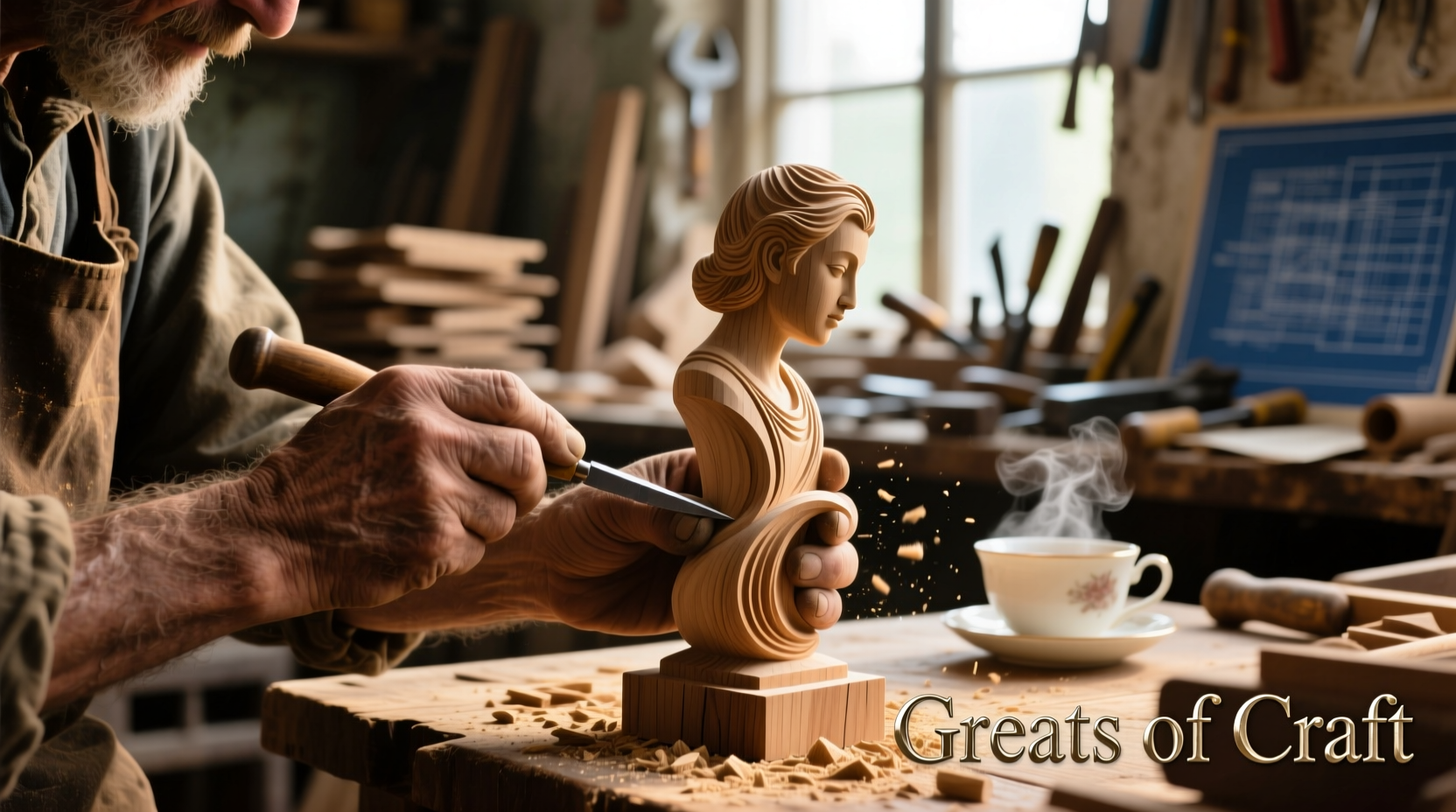
Discover how today's most influential craft artists transform ordinary materials into extraordinary creations. Unlike historical craft legends, modern masters blend ancestral techniques with urgent sustainability practices—proving that true artistry lies in mindful material transformation. You'll learn actionable techniques from woodworkers using reclaimed timber to textile artists reviving endangered embroidery traditions, all while reducing waste by up to 90% compared to industrial production.
Why Contemporary Craft Masters Matter Now
Today's craft revolution responds to two critical needs: environmental responsibility and cultural preservation. As industrial manufacturing generates 12.8 million tons of textile waste annually, these artists demonstrate how creativity becomes activism. Their work isn't just beautiful—it's a blueprint for circular economies where every material fragment tells a story.
| Craft Discipline | Material Innovation | Environmental Impact |
|---|---|---|
| Woodworking | Reclaimed urban timber | Prevents 3.2 tons CO2 per project |
| Textile Art | Pre-consumer fabric scraps | Diverts 15kg waste weekly |
| Paper Sculpture | Post-consumer office paper | Zero chemical processing |
The Sustainable Craft Visionaries Redefining Artistry
James Thompson: Woodworking's Reclamation Revolutionary
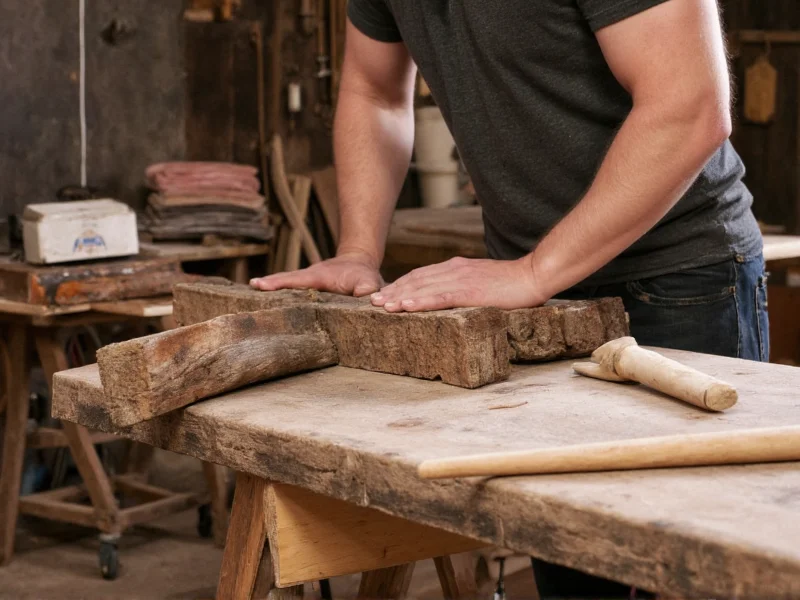
Thompson transforms storm-felled urban trees into functional art, preserving grain patterns that tell each tree's life story. His 'waste-not' joinery technique eliminates glue and metal fasteners—using only interlocking wood geometry. Key insight: "True craftsmanship means honoring the material's history. That knot isn't a flaw—it's the tree's biography."
- Signature method: Air-drying timber for 18+ months to prevent warping
- Beginner tip: Start with fallen branches from local parks (check municipal policies)
- Impact: 1 ton of reclaimed wood = 2.5 tons of avoided landfill
Sofia Garcia: Textile Alchemist of Cultural Memory
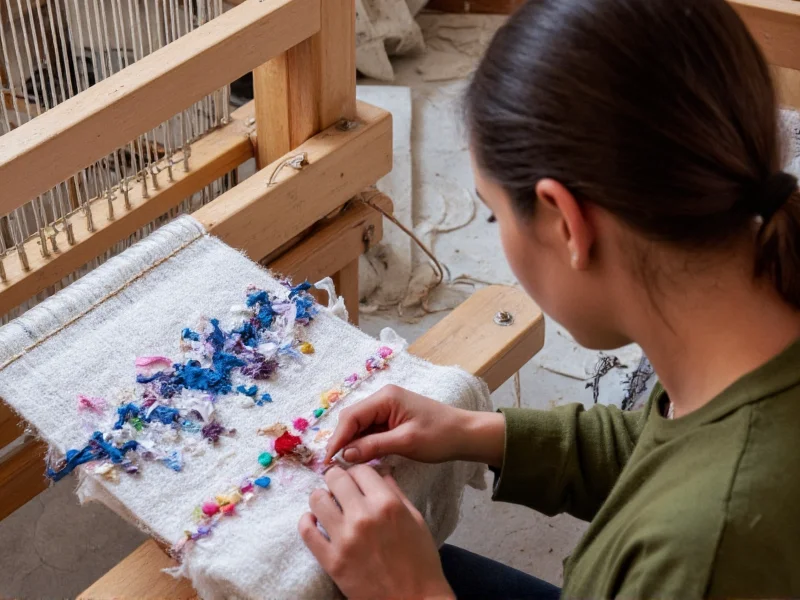
Garcia revives Oaxacan embroidery techniques using factory offcuts, embedding QR codes that link to artisan interviews. Her 'memory quilts' document textile heritage while diverting 200+ lbs of fabric weekly from landfills. Key insight: "Every thread carries cultural DNA—we're not just making art, we're preserving living history."
- Signature method: Natural dyeing with avocado pits and onion skins
- Beginner tip: Collect fabric scraps in color-coded jars for intuitive pattern-making
- Impact: 1 quilt = 45 discarded garment equivalents saved
Thomas Wright: Paper Sculptor of Zero-Waste Geometry
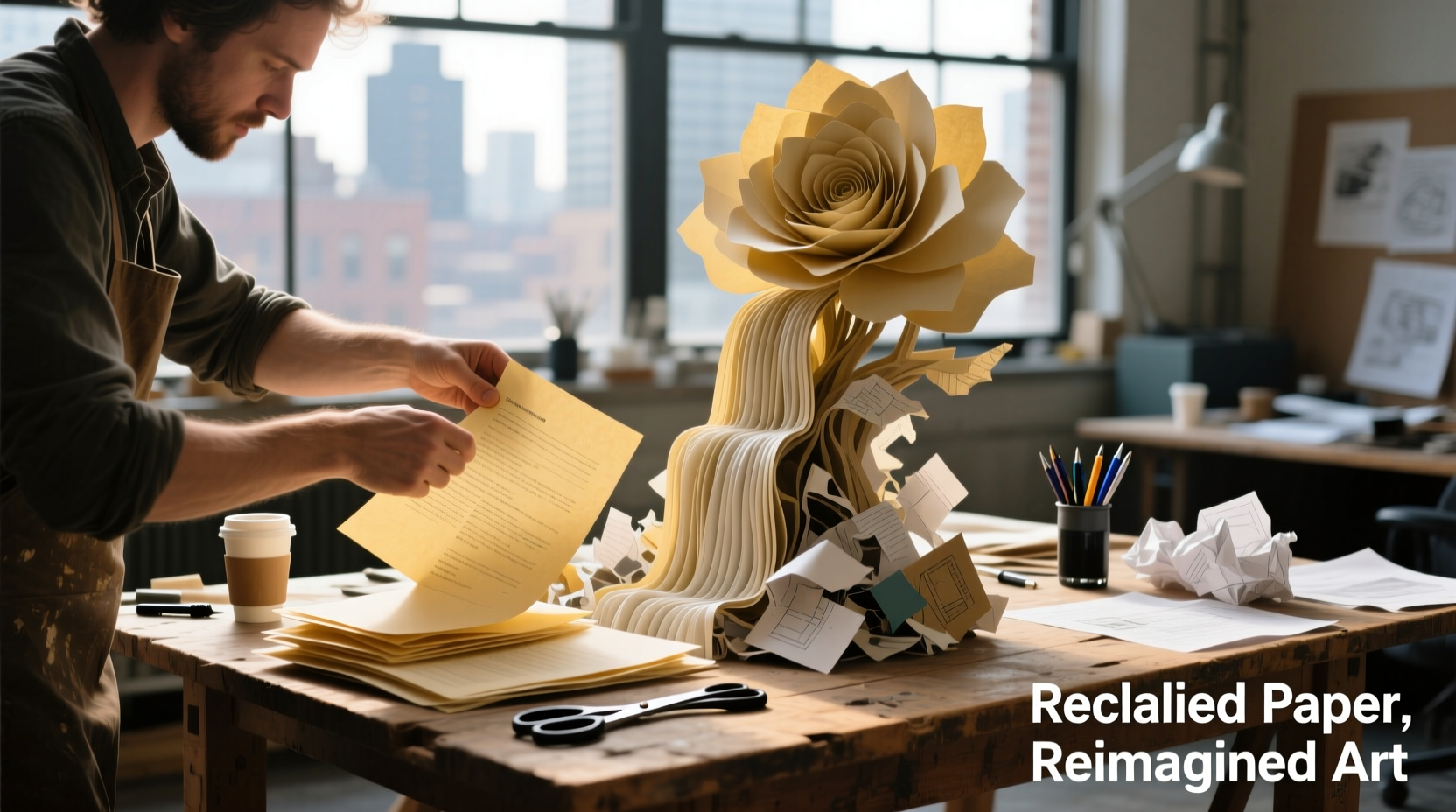
Wright constructs intricate architectural models using only shredded office paper and water-based adhesive. His modular 'paper bricks' technique—inspired by Japanese washi traditions—creates load-bearing structures from 100% post-consumer waste. Key insight: "Paper's weakness is its strength: layering transforms fragility into resilience."
- Signature method: Compressing paper pulp into durable sheets without chemicals
- Beginner tip: Use hole-punch circles for mosaic details in greeting cards
- Impact: 500 pages = one functional wall organizer
Adopting Master Craft Principles in Your Practice
These visionaries share three transferable philosophies that elevate any craft project:
- Material Listening: Study your medium's inherent qualities before shaping it. Thompson examines wood grain for 3+ hours before cutting; Garcia feels fabric tension to determine embroidery density.
- Waste Mapping: Track every scrap during creation. Wright's 'zero offcut' rule means designing projects where shavings become structural elements.
- Story Integration: Embed narrative through technique. Garcia's hidden embroidery stitches spell 'resilience' in Zapotec code—a detail only visible when light hits at 45 degrees.
Implement these by starting a 'material journal' documenting each resource's origin and potential second life. Within three projects, you'll develop what Thompson calls 'waste intuition'—recognizing opportunities invisible to others.
Building Your Craft Legacy Sustainably
True mastery extends beyond technical skill to environmental stewardship. As Garcia emphasizes: "Our greatest creations aren't objects—they're the systems we build for future makers." Begin documenting your process with three simple steps:
- Photograph material sources (e.g., "This chair uses wood from Brooklyn's 2023 hurricane-damaged oaks")
- Create 'deconstruction guides' showing how future artisans can repurpose your work
- Join material exchange networks like ScrapXchange to share offcuts
These practices transform your craft from product to legacy—ensuring your work continues inspiring long after you've set down your tools.
Frequently Asked Questions
How do craft masters source sustainable materials ethically?
Top craft artists partner directly with waste generators like furniture factories or textile mills through formal material recovery agreements. They prioritize locally-sourced discards within 50-mile radiuses to reduce transportation emissions, and always document material provenance—turning 'waste' into traceable resources with documented histories.
Can beginners achieve professional results with reclaimed materials?
Absolutely. Start with 'forgiving' materials like cardboard or fabric scraps that hide imperfections. Master crafters recommend the 'three-scraps rule': create one prototype using discarded material pieces, then refine your technique before using higher-value reclaimed resources. Many free online workshops teach foundational skills using only household discards.
What defines a craftsperson as a 'great' in contemporary practice?
Modern craft greatness combines technical mastery with material stewardship and cultural continuity. Today's masters demonstrate three pillars: 1) Innovation within tradition (e.g., adapting ancestral techniques for new materials), 2) Transparent environmental impact metrics, and 3) Knowledge sharing that empowers community skill-building—proving artistry thrives through generosity, not exclusivity.





 浙公网安备
33010002000092号
浙公网安备
33010002000092号 浙B2-20120091-4