
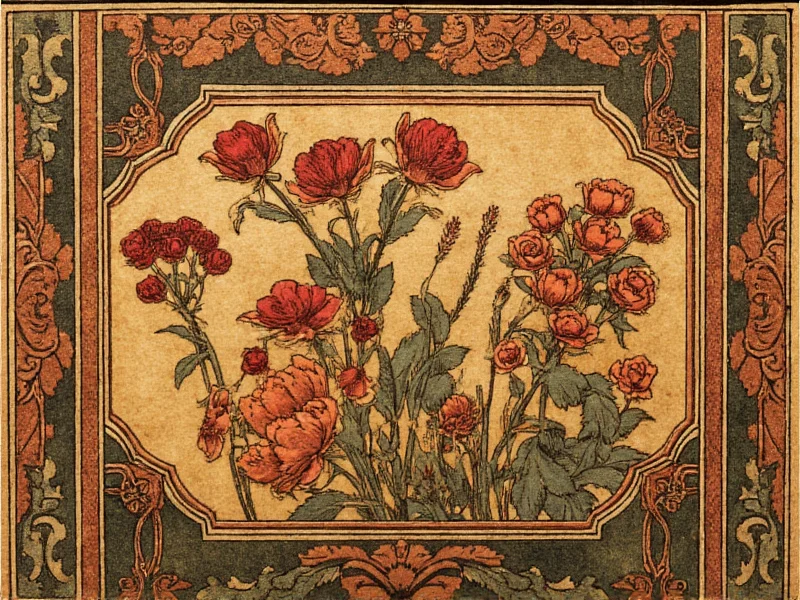
Ever wondered why your favorite modern handmade pottery or reclaimed wood furniture feels so meaningful? The answer lies in a transformative design revolution that began over 140 years ago. This deep dive reveals how the Arts and Crafts Movement's radical principles continue to shape sustainable design, ethical production, and our very definition of 'good craftsmanship' in the 21st century.
What Exactly Was the Arts and Crafts Movement?
Emerging in Victorian Britain as factories churned out shoddy goods, this wasn't just an art style—it was a social manifesto. Industrialization had severed the connection between maker and object, producing soulless items that exploited both workers and consumers. The movement's pioneers demanded change through three revolutionary pillars:
| Core Principle | Practical Manifestation | Modern Equivalent |
|---|---|---|
| Handcraftsmanship | Artisans creating entire pieces themselves | Maker movement workshops |
| Truth to Materials | Wood grain visible, no fake finishes | Raw-edge concrete countertops |
| Social Reform | Designing affordable worker housing | B Corp certified studios |
Key Figures Who Changed Design Forever
While William Morris remains the movement's most famous name (with his iconic Strawberry Thief textile pattern still sold today), its impact was collective:
- John Ruskin: The philosopher who declared "the worker must have joy in creation"—inspiring Morris's entire ethos
- Gustav Stickley: Brought the movement to America through The Craftsman magazine and iconic mission-style furniture
- Charles Rennie Mackintosh: Revolutionized architecture with Glasgow School of Art's clean lines
- Mary Watts: Co-founded the Compton Pottery to prove women could lead craft enterprises
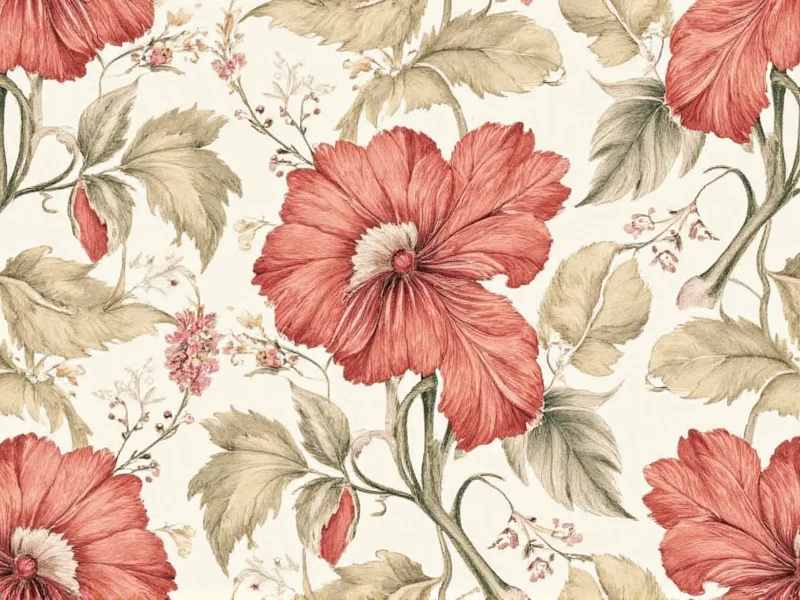
Architecture and Design: More Than Just Pretty Patterns
Forget ornate Victorian clutter—the movement created spaces that served human needs. Key characteristics included:
Arts and Crafts Home Essentials
- Low-pitched roofs with wide eaves
- Exposed structural elements (beams, rafters)
- Hand-forged hardware (door handles, hinges)
- Integrated built-in cabinetry
- Central hearths as family gathering points
These weren't aesthetic choices alone. By making construction visible, designers rejected industrial deception—like veneers hiding cheap materials. Every element served dual purposes: beauty through honesty.
Why It Matters More Today Than Ever
The movement's true legacy isn't in museum collections but in contemporary practices. Consider these modern parallels:
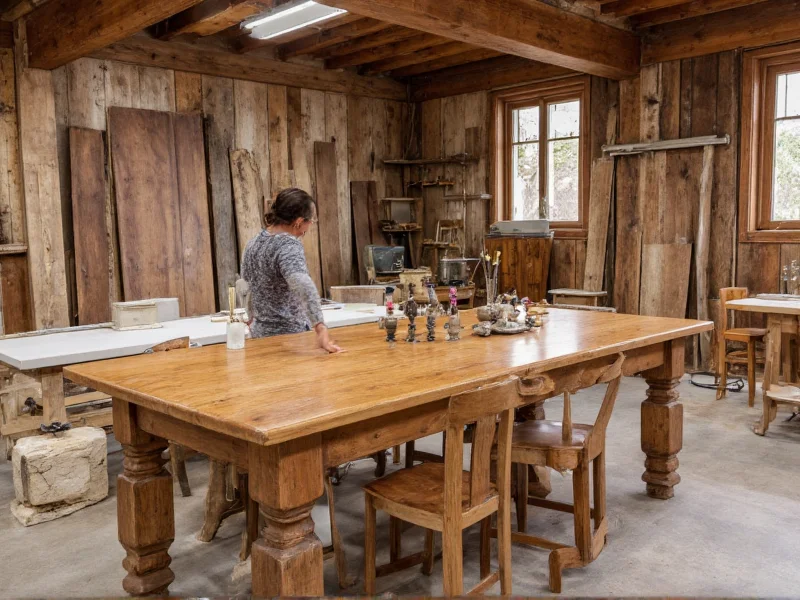
- Sustainable design: Today's reclaimed wood furniture directly channels Stickley's ethos of "using materials honestly"
- Maker culture: Etsy artisans echoing Morris's demand for "joy in labor" through small-batch production
- Anti-fast fashion: Slow fashion movements rejecting disposable clothing, just as Morris condemned shoddy factory garments
Crucially, the movement's social justice dimension resonates powerfully now. When Morris declared "Have nothing in your house you do not know to be useful or believe to be beautiful," he challenged exploitative labor practices—a principle driving today's fair-trade certification systems.
Bringing Arts and Crafts Principles Into Your Life
You don't need a Craftsman-style bungalow to honor this legacy. Practical applications include:
Modern Implementation Guide
- Choose one handmade item monthly (pottery, woven basket)
- Learn basic mending to extend garment life
- Visit local maker markets to connect with creators
- Display materials' natural textures (unpainted wood, visible brick)
- Support studios with transparent production ethics
These actions revive the movement's core spirit: recognizing that how something is made matters as much as the final product. In an age of AI-generated designs and offshore manufacturing, this human-centered approach feels revolutionary again.
FAQ: Your Arts and Crafts Movement Questions Answered
What's the difference between Arts and Crafts and Art Nouveau?
Arts and Crafts emphasized structural honesty and simplicity (exposed beams, natural materials), while Art Nouveau featured flowing organic lines and decorative ornamentation. Morris rejected Art Nouveau as "decoration without purpose"—prioritizing function over flamboyance.
Did the movement succeed in reforming labor practices?
Partially. While Morris's Kelmscott Press proved handcrafted books could be viable, the movement's high production costs made goods unaffordable for most workers. However, it planted seeds for modern fair labor standards and the 8-hour workday movement.
How can I identify authentic Arts and Crafts furniture?
Look for visible joinery (dovetail joints), absence of veneers, and hand-forged hardware. Authentic pieces often bear maker's marks like Stickley's "joiner's logo" (a circle with joined hands). Avoid items with excessive ornamentation or hidden construction.




 浙公网安备
33010002000092号
浙公网安备
33010002000092号 浙B2-20120091-4