
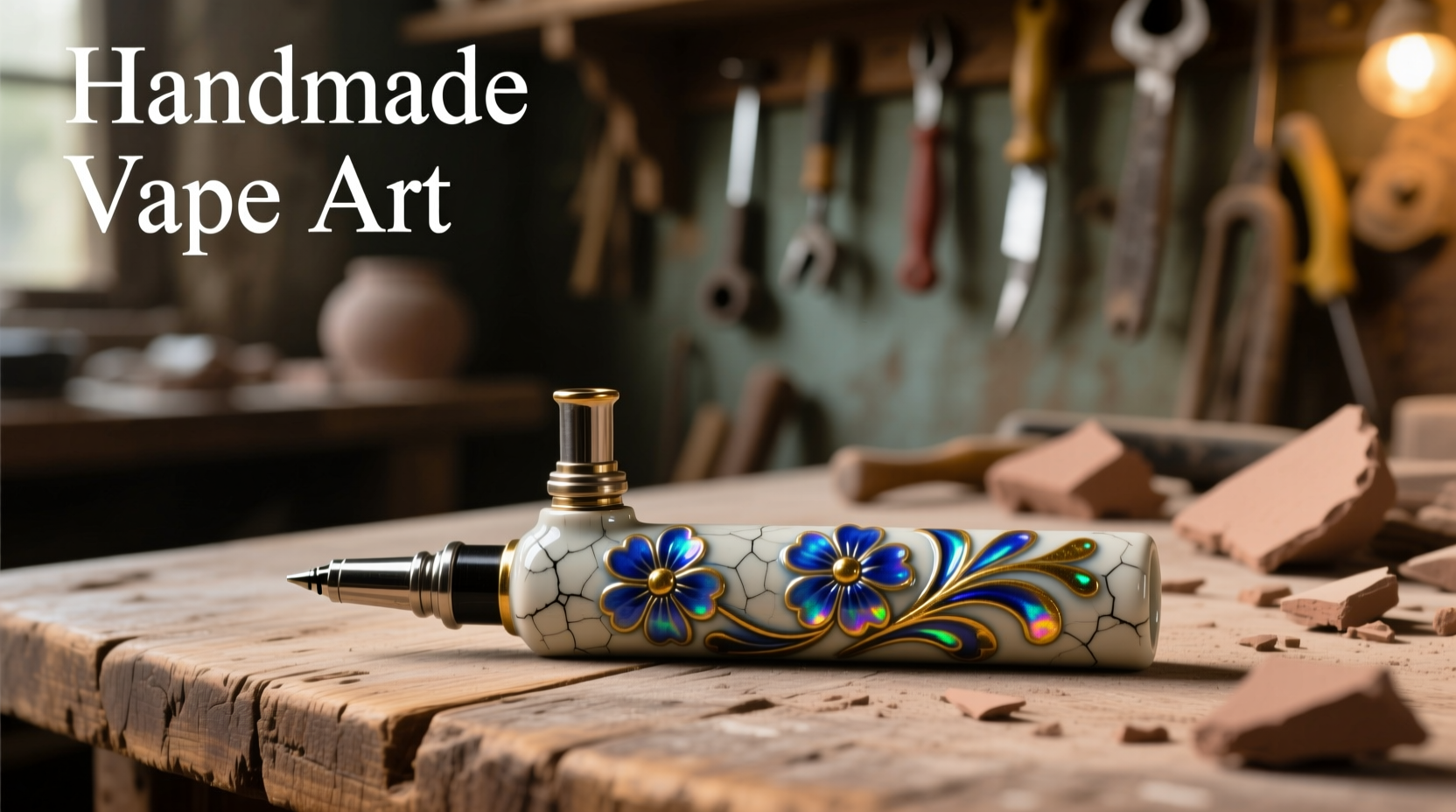
Vape craft transforms discarded vaping materials—empty e-liquid bottles, obsolete devices, and plastic components—into functional art and household items through safe, eco-conscious upcycling. This guide delivers 4 vetted DIY projects with strict safety protocols to repurpose vape waste, reducing environmental harm from the 1.3 billion vape pens discarded annually in the US alone.
Vape craft refers exclusively to creative repurposing of post-consumer vaping waste, not device modification or e-liquid creation. As an environmental artist specializing in electronic waste upcycling, I've developed these projects with critical safety considerations: never handle lithium batteries, always neutralize e-liquid residue, and use proper ventilation. These methods divert hazardous materials from landfills while creating meaningful objects—turning pollution into purpose without glorifying vaping.
Why Vape Waste Demands Creative Solutions
Discarded vaping components pose unique environmental challenges:
| Vape Waste Component | Environmental Impact | Upcycling Potential |
|---|---|---|
| Plastic e-liquid bottles | Takes 450+ years to decompose; leaches chemicals | High (translucent material ideal for planters, organizers) |
| Aluminum cartridges | Requires energy-intensive recycling | Moderate (jewelry components, decorative elements) |
| Lithium batteries | Fire hazard; contaminates soil/water | None (must be professionally recycled) |
Unlike general plastic waste, vape components often contain residual nicotine and propylene glycol. Never attempt to melt or heat vape plastics—this releases toxic fumes. Always prioritize safety over creativity.
Safety-First Preparation Protocol
Before any project, follow this mandatory 3-step process:
- Neutralize residue: Soak components in 1:1 vinegar-water solution for 72 hours. Rinse thoroughly with baking soda solution.
- Verify material safety: Only use polyethylene (recycling code #2) or polypropylene (#5) plastics. Discard any cracked or degraded pieces.
- Professional battery disposal: Locate certified e-waste facilities via Earth911.com—never disassemble devices.
Beginner-Friendly Upcycling Projects
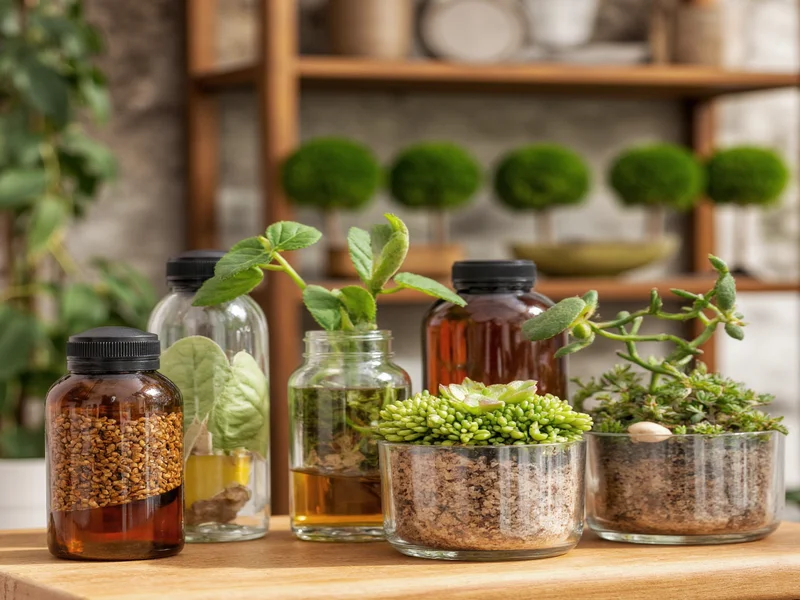
E-Liquid Bottle Terrariums
Transforms 5+ bottles per project | 2-hour completion
- Materials: Neutralized bottles, activated charcoal, moss, small plants
- Safety note: Use only bottles with intact seals—no cracks
- Process: Cut bottles horizontally with glass cutter; layer charcoal (1"), soil (2"), plants; seal with cork
Vape Pen Desk Organizers
Repurposes device housings | No cutting required
- Materials: Cleaned plastic housings, sandpaper, non-toxic sealant
- Safety note: Confirm all electronic components removed
- Process: Sand rough edges; apply sealant; arrange vertically for pen storage

Advanced Project: Bottle Wind Chimes
Requires careful material selection due to wind exposure:
- Material check: Only use bottles with uniform thickness (test by tapping—clear ring = safe)
- Drilling technique: Submerge bottle in water while drilling to prevent microfractures
- Assembly: String bottles with marine-grade nylon cord; space 6" apart to prevent collisions
Test chimes indoors for 48 hours before outdoor placement. Discard any piece showing stress cracks.
Critical Disposal Guidelines
When upcycling isn't feasible:
- Batteries: Use Call2Recycle locator—never trash or incinerate
- Contaminated plastics: Bag separately with "Hazardous Waste" label
- Failed projects: Treat as electronic waste—do not repurpose compromised materials
Remember: Vape craft's environmental value comes from preventing waste, not creating new hazards. If safety steps seem overwhelming, skip the project—proper disposal beats unsafe upcycling.
Frequently Asked Questions
Can I use vape waste for children's crafts?
No. Residual chemicals pose ingestion risks, and small components create choking hazards. These projects are strictly for adult use with proper safety gear.
How do I verify e-liquid residue is fully neutralized?
After vinegar soak, place a drop of rinse water on pH test strips. Safe range is 6.5-7.5. Any reading below 6 requires additional soaking.
Why avoid heating vape plastics?
Heating releases carcinogenic compounds like formaldehyde and acetaldehyde—even at low temperatures. Physical repurposing is the only safe method.
Where do I find certified e-waste recyclers?
Use Earth911's search tool with "vape" filter or check with major retailers like Best Buy that accept small electronics.




 浙公网安备
33010002000092号
浙公网安备
33010002000092号 浙B2-20120091-4