
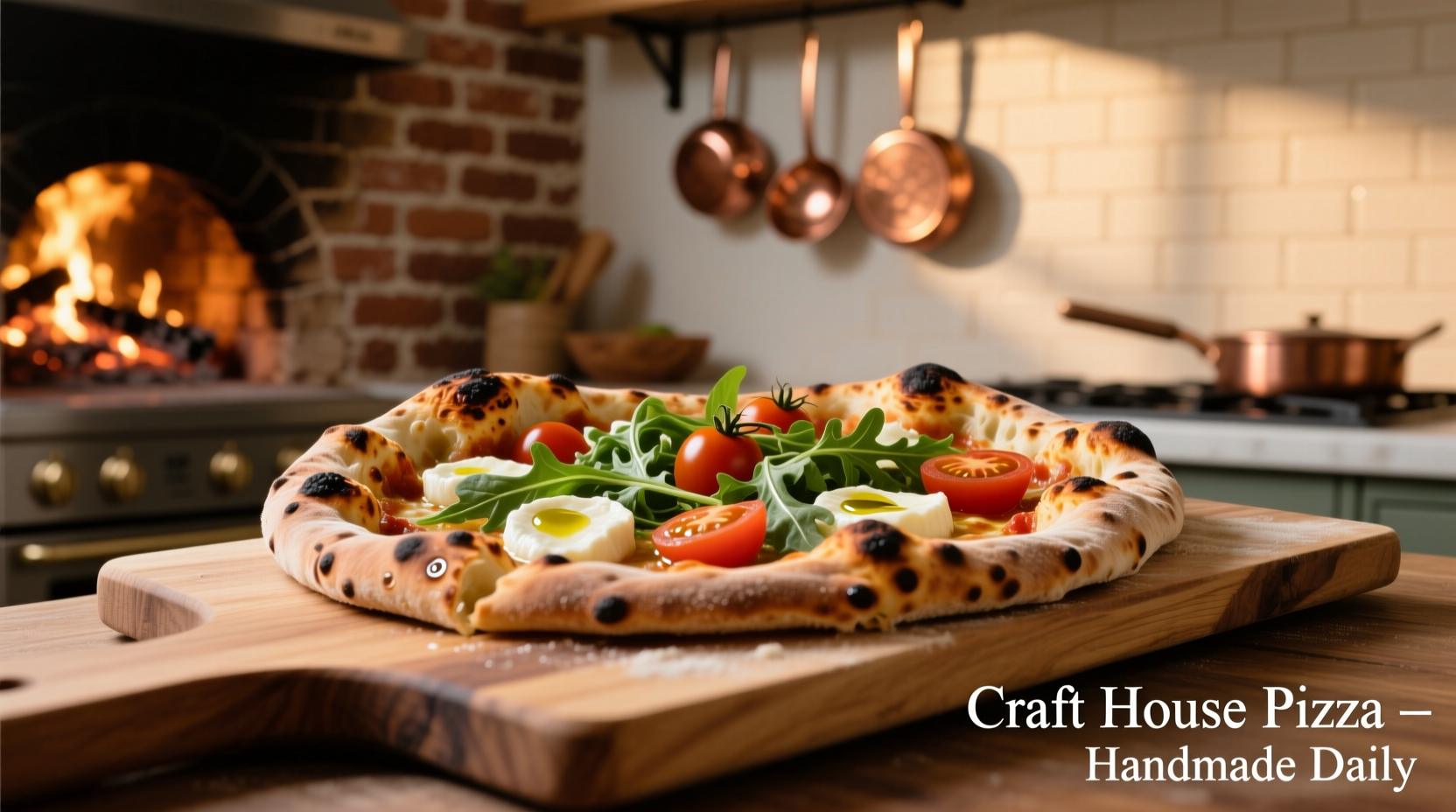
Why Craft House Pizza Stands Apart From Ordinary Pizza
When you bite into a true craft house pizza, you're experiencing a culinary philosophy—not just a meal. This movement represents pizza's evolution from fast food to thoughtful craft, where every element receives meticulous attention. Forget assembly-line production; here's what fundamentally differentiates authentic craft pizza:
The Three Pillars of Authentic Craft Pizza
- Ingredient Integrity: Locally-milled flours, heirloom tomatoes, and seasonal toppings sourced within 100 miles
- Process Over Speed: 72-hour dough fermentation, hand-stretched bases, and wood-fired ovens at 800°F+
- Place-Based Creativity: Menus reflecting regional flavors (e.g., Pacific Northwest mushroom blends or Midwest corn toppings)

Craft Pizza vs. Commercial Pizza: Key Differences
| Feature | Craft House Pizza | Commercial Pizza |
|---|---|---|
| Dough Preparation | Hand-kneaded, 48-72 hour cold fermentation | Machine-rolled, same-day use |
| Cooking Method | Wood-fired oven (800-900°F), 90-second cook time | Conveyor oven (450-500°F), 5-7 minute cook time |
| Topping Sourcing | Local farms, seasonal availability dictates menu | Industrial suppliers, consistent year-round offerings |
| Production Scale | 20-30 pies per hour max, made-to-order | 100+ pies per hour, often pre-made |
How to Identify Genuine Craft Pizza Establishments
Not every "artisanal" pizzeria delivers true craft quality. Use this practical checklist when evaluating spots:
The Craft Pizza Authenticity Test
- Ask about flour sourcing: "Do you use locally-milled or heritage grain flour?" (True craft spots often partner with regional mills)
- Check the oven type: Wood-fired ovens leave distinctive leopard-spotting on crust—gas ovens rarely achieve this
- Examine the menu: Seasonal ingredient changes and limited topping options indicate fresh sourcing
- Observe preparation: Dough should be hand-stretched, not pressed (watch through open kitchens)
- Ask about fermentation: Anything less than 24 hours suggests industrial shortcuts
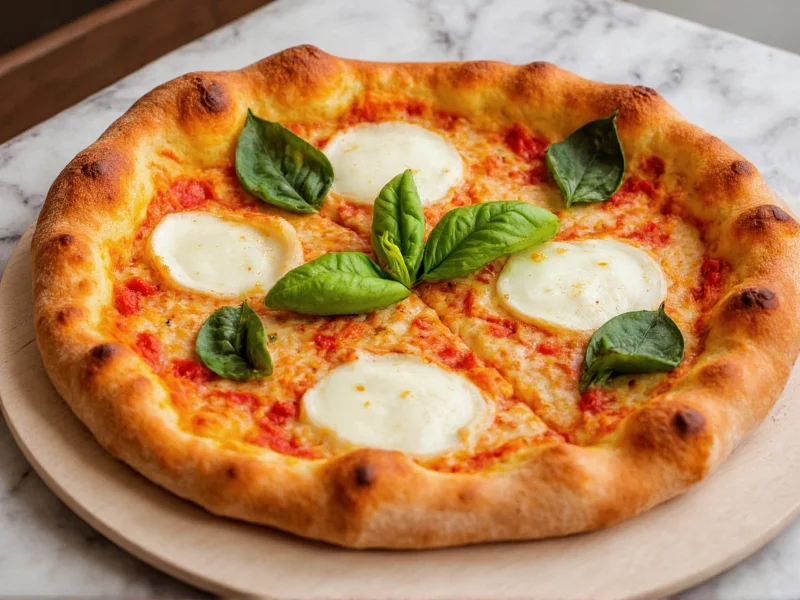
The Cultural Shift Behind Craft Pizza
This movement extends beyond better pizza—it's part of a larger food sovereignty revolution. Craft pizzerias typically source 60-80% of ingredients within 50 miles, creating closed-loop food economies. When you choose craft pizza, you're supporting:
- Regional grain revival (heritage wheat varieties returning to Midwest farms)
- Urban farming initiatives (many pizzerias maintain rooftop herb gardens)
- Skill preservation (traditional wood-fired oven craftsmanship)
Unlike industrial pizza chains that standardize taste globally, craft house pizza celebrates terroir—the unique flavor profile imparted by local environment. A Detroit craft pizza will taste distinctly different from one in Portland, reflecting regional ingredients and culinary traditions.
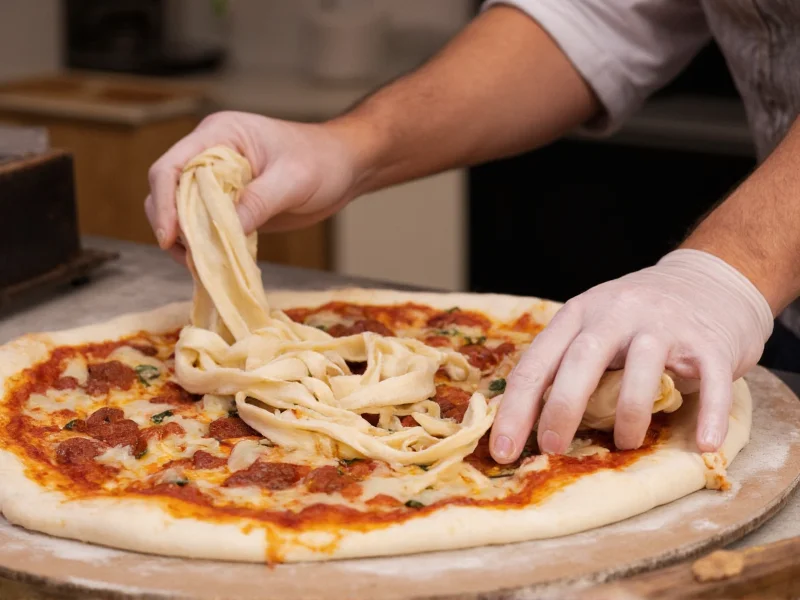
Bringing Craft Principles Home
You don't need a $50,000 oven to experience craft pizza principles. Transform your homemade pies with these professional techniques:
DIY Craft Pizza Upgrades
- Dough: Use 50% bread flour + 50% local all-purpose flour with 72-hour cold ferment
- Sauce: Simmer San Marzano tomatoes with fresh basil (no cooking required)
- Cooking: Preheat pizza stone at highest oven setting (550°F) for 1 hour before baking
- Toppings: Apply ingredients sparingly—craft pizza celebrates ingredient purity over abundance
Remember: Craft isn't about perfection—it's about intentional process. Even imperfect homemade pies made with care embody the craft spirit better than flawless mass-produced alternatives.
Frequently Asked Questions
What makes craft house pizza different from regular artisanal pizza?
Craft house pizza specifically emphasizes hyper-local sourcing (within 50-100 miles) and place-based menu development, whereas "artisanal" is often used as a marketing term without strict sourcing standards. True craft pizza changes seasonally based on local harvests.
Does craft pizza always use wood-fired ovens?
While wood-fired ovens are traditional, some authentic craft pizzerias use high-heat gas ovens that achieve similar results. The critical factor is cooking method (90-second high-heat bake), not fuel source—though wood imparts distinctive flavor notes.
Why is craft pizza more expensive than regular pizza?
Higher costs reflect premium ingredients (local/organic), labor-intensive processes (hand-stretched dough, long fermentation), and smaller production scales. You're paying for skilled craftsmanship and sustainable sourcing—not corporate markup.
Can frozen pizza ever be considered craft?
True craft pizza is made fresh-to-order. While some producers make high-quality frozen dough using craft techniques, the "craft" designation applies to the preparation philosophy at point of service—not the product itself.





 浙公网安备
33010002000092号
浙公网安备
33010002000092号 浙B2-20120091-4