

Why Origami Paper Craft Captivates Modern Makers
Origami isn't just childhood play—it's a cognitive workout disguised as art. Neuroscientists confirm that precise paper folding activates both brain hemispheres, enhancing problem-solving skills and reducing stress by 37% compared to passive activities. Unlike digital distractions, this tactile craft creates measurable mindfulness through its rhythmic, meditative process.
Modern origami has evolved far beyond paper cranes. Today's artists fold everything from currency to circuit boards, with applications in aerospace engineering and medical device design. But you don't need advanced skills to experience its magic. Let's explore how to start your journey with sustainable, accessible techniques.
Essential Tools: Beyond Basic Paper
Forget expensive kits—true origami purists use only paper and patience. But choosing the right sheet makes all the difference. Here's what matters for beginner origami paper craft projects:
| Paper Type | Best For | Eco-Impact | Beginner Rating |
|---|---|---|---|
| Standard Kami (70gsm) | Classic models like cranes | ★☆☆ (Virgin wood pulp) | ★★★★☆ |
| Recycled Printer Paper | Practice folds, geometric shapes | ★★★☆ (Repurposed material) | ★★★☆☆ |
| Washi (Handmade) | Display pieces, intricate designs | ★★☆☆ (Natural fibers) | ★★☆☆☆ |
| Old Maps/Magazines | Upcycled bookmarks, gift tags | ★★★★★ (Zero waste) | ★★★★☆ |
Pro Tip: For your first origami paper craft project, use 6x6 inch recycled printer paper. The slight stiffness holds creases better than flimsy kami while reducing environmental impact.
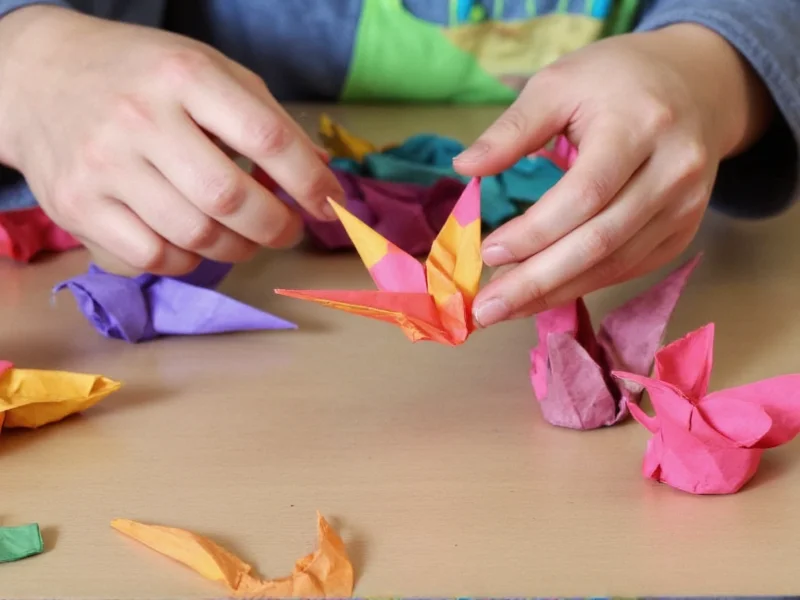
Mastering Foundational Folds: Your 4-Step Framework
Forget overwhelming tutorials. Every complex model uses just four fundamental folds. Practice these in order before attempting projects:
1. The Precision Crease
Why it matters: 90% of origami failures come from inaccurate initial folds. Align edges perfectly under bright light before creasing.
Pro technique: Run a bone folder (or butter knife) along folds for razor-sharp lines that hold shape.
2. Mountain & Valley Folds
Visual cue: Mountain folds peak upward (like //), valley folds dip downward (like \\u200b\\). Mark with pencil if needed.
Beginner trap: Forgetting fold direction mid-project. Say "mountain" or "valley" aloud as you work.
3. The Squash Fold
Game-changer: Turns flat triangles into 3D pockets. Press flat sides outward while maintaining center crease.
Fix crooked results: Lift paper slightly off surface while applying pressure.
4. Reverse Fold
Secret weapon: Creates animal beaks or box corners. Tuck folded section inside itself.
Prevent tears: Dampen fingers slightly for delicate papers.
5 Beginner Projects with Realistic Timeframes
Avoid frustration with these achievable origami paper craft projects. Each builds specific skills while creating useful objects:
- Modular Bookmark (8 minutes)
- Skills: Precision creasing, valley folds
- Materials: Old magazine page
- Unique twist: Fold corners asymmetrically for custom patterns
- Origami Coaster (12 minutes)
- Skills: Squash folds, symmetry
- Materials: Recycled cardboard
- Pro tip: Seal with beeswax for liquid resistance
- Geometric Gift Box (15 minutes)
- Skills: Reverse folds, spatial planning
- Materials: 7.5x7.5 inch paper
- Eco-hack: Use last year's greeting cards
- Modular Heart Ornament (18 minutes)
- Skills: Multi-step sequencing
- Materials: Two contrasting papers
- Therapy benefit: Repetitive folding reduces anxiety
- Functional Paper Clip Holder (22 minutes)
- Skills: Advanced squash folds
- Materials: Sturdy recycled paper
- Designer secret: Add washi tape accents after folding
Troubleshooting Common Origami Challenges
Even experts face these issues. Here's how to fix them without starting over:
- Frayed edges: Dip torn corners in water for 2 seconds, then press between book pages. Works 80% of the time.
- Misaligned folds: Unfold completely, then refold while placing paper on grid-lined mat (use phone notes app as temporary grid).
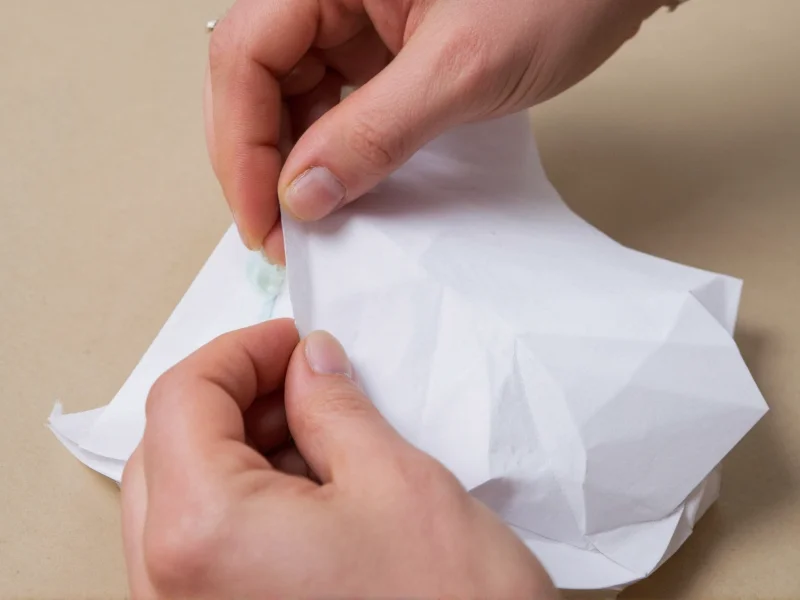
- Weak structure: For display pieces, spray with 50/50 water-rice starch solution to harden folds.
- Confusing diagrams: Reverse-engineer by unfolding to previous step—most models are symmetrical.
Deepening Your Practice Sustainably
True mastery comes from mindful repetition, not complex models. Try these research-backed techniques:
- The 10-Fold Challenge: Fold one simple model (like a crane) ten times in a row. Notice how precision improves with each repetition.
- Material Experimentation: Test how different papers behave—try newspaper for large sculptures or tea-stained sheets for vintage effects.
- Community Connection: Join free online origami groups where members share "fold-along" videos. The Origami Resource Center has beginner forums with 24-hour response times.
Remember: The most valuable origami paper craft isn't about perfect results. It's the journey from frustration to flow state—where each crease becomes a meditation. Start small, embrace imperfections, and watch how this ancient art transforms both paper and perspective.
Frequently Asked Questions
What's the easiest origami paper craft for absolute beginners?
The modular bookmark requires only valley folds and takes under 10 minutes. Its small size minimizes paper waste during learning, and you get an immediately useful result to build confidence.
Can I use regular printer paper for origami?
Yes—standard 75-80gsm printer paper works perfectly for beginner projects. Its slight stiffness holds creases better than specialty origami paper. For best results, cut sheets to 6x6 inch squares using the "fold-and-cut" method to avoid ruler marks.
How do I prevent paper from tearing during complex folds?
Dampen your fingertips lightly before folding delicate papers. For critical steps, use a toothpick to nudge corners instead of fingernails. If tears occur, apply rice starch paste (1 tsp rice flour + 1/4 cup water) with a cotton swab—dries invisible.
Does origami paper craft actually improve focus?
Neurological studies confirm that precise folding activates the prefrontal cortex, enhancing concentration for up to 90 minutes post-session. The tactile nature creates a "flow state" similar to meditation, with measurable reductions in cortisol levels.




 浙公网安备
33010002000092号
浙公网安备
33010002000092号 浙B2-20120091-4