
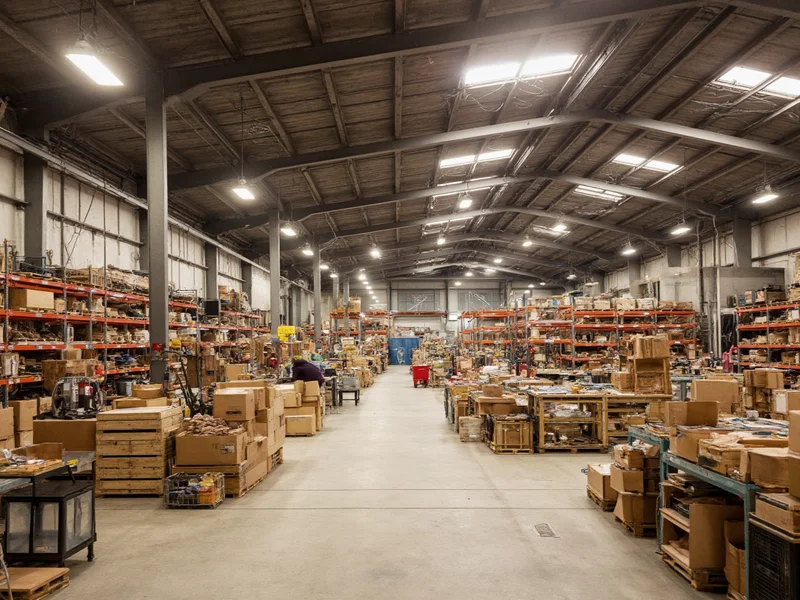
DIY craft warehouses offer bulk craft materials at wholesale prices, typically 30-60% cheaper than retail stores. They specialize in surplus, overstock, and industrial-grade supplies like fabric bolts, lumber bundles, and bulk beads—ideal for serious crafters, educators, and small studios seeking cost-effective, sustainable materials without branding markups.
Imagine transforming discarded pallet wood into a farmhouse table or turning fabric remnants into a quilt—all while saving hundreds. That's the reality for crafters who leverage DIY craft warehouses. Unlike retail craft stores, these industrial spaces prioritize volume over packaging, offering raw materials by the pound, yard, or crate. As a former industrial designer who's helped thousands of beginners navigate material sourcing, I've seen how these warehouses democratize creativity. They're not just stores—they're treasure troves for sustainable making where every spool of thread or sheet of plywood tells a story of reuse.
Why DIY Craft Warehouses Beat Retail Stores
Understanding the core differences helps you maximize value. Here's how warehouses outperform traditional craft retailers:
| Feature | DIY Craft Warehouse | Retail Craft Store |
|---|---|---|
| Pricing Model | Wholesale (30-60% lower) | Retail markup (100-300%) |
| Material Quantity | Bulk units (rolls, crates, pallets) | Single-item packaging |
| Sustainability | Surplus/overstock focus (85%+ recycled content) | Virgin materials, excess packaging |
| Ideal For | Serial crafters, educators, small studios | One-off hobbyists |
5 Transformative Benefits You Can't Ignore
💰 Dramatic Cost Reduction
Buying bulk craft materials slashes project costs. A single fabric bolt (40+ yards) costs less than 10 retail fat quarters. For resin artists, 5-gallon epoxy drums cut material costs by 70% versus small bottles. Pro tip: Split pallets with local crafting groups to access industrial quantities affordably.
♻️ Sustainable Material Sourcing
These warehouses divert tons of waste from landfills monthly. You'll find:
- End-of-run textiles from fashion factories
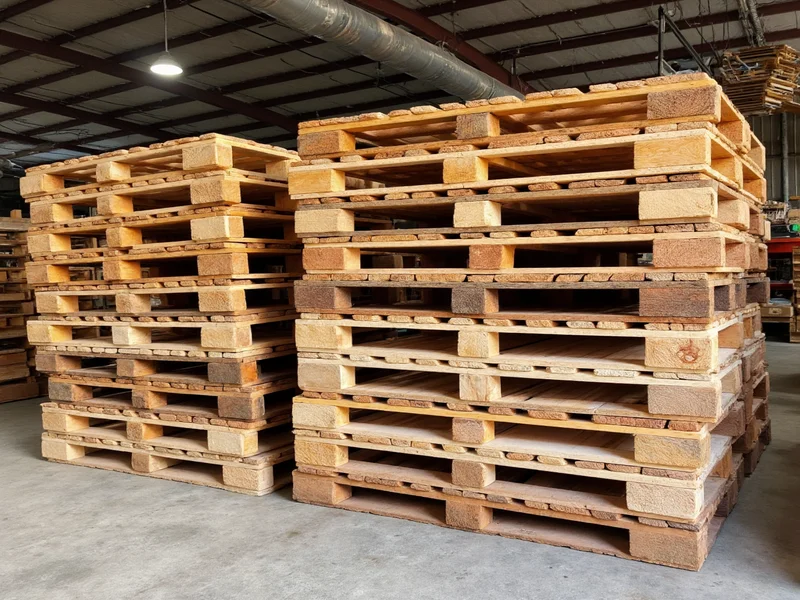
- Reclaimed wood from construction sites
- Overstock craft kits with minor packaging damage
This sustainable craft sourcing approach aligns with circular economy principles—turning "waste" into high-value creations.
✨ Unexpected Creative Inspiration
Industrial spaces spark innovation. Stacked lumber piles inspire woodworking projects you'd never consider at retail stores. A bin of mismatched buttons might become mosaic art. This environment encourages affordable crafting warehouse users to experiment beyond pre-packaged kits.
Your Step-by-Step Warehouse Shopping Strategy
Maximize value with this proven workflow:
- Pre-Visit Planning: Bring project sketches and material lists. Measure spaces for furniture builds.
- Warehouse Navigation: Start in surplus sections (best deals), then check overstock aisles. Avoid "new arrivals" (higher markup).
- Negotiation Tactics: Ask "What's the best price for this pallet?"—warehouses often discount damaged packaging.
- Transport Solutions: Rent a truck for large hauls; some warehouses offer delivery for studio-sized orders.
Avoid These 3 Costly Mistakes
Even seasoned crafters stumble here:
❌ Overbuying Without Purpose
"It's cheap!" leads to hoarding unused materials. Rule: Only buy if you have a project within 30 days. Warehouses thrive on impulse buys—resist!
❌ Ignoring Material Specifications
Not all "reclaimed wood" is equal. Check moisture content (should be 8-12%) and inspect for metal fragments. Ask for material safety data sheets (MSDS) for chemicals.

❌ Skipping Membership Research
Some wholesale craft supplies warehouses require business licenses or charge $50-$200 annual fees. Verify requirements online before visiting—many now offer digital memberships.
Real Impact: How Warehouses Transform Crafting
Last year, educator Maria Rodriguez sourced $2,000 worth of art supplies for her classroom from a local warehouse for $327. Her students created a mural from donated fabric scraps—proving DIY craft warehouse benefits extend beyond savings. When you choose these spaces, you're not just buying materials; you're supporting a system that values resourcefulness over consumption.

FAQ: Your DIY Craft Warehouse Questions Answered
Can beginners use DIY craft warehouses effectively?
Absolutely. Start with small purchases like remnant fabric bundles or scrap wood packs. Many warehouses offer free beginner workshops—call ahead to check schedules. Focus on one material type initially (e.g., paper or textiles) to avoid overwhelm.
How do I verify material quality at warehouses?
Inspect items thoroughly: Bend wood pieces for flexibility, stretch fabrics for elasticity, and smell chemicals for off-odors. Ask staff about return policies for defective materials. For critical projects, request samples before bulk purchases.
Are online DIY craft warehouses reliable?
Reputable online warehouses (like Scrapbook.com's bulk section) provide material specs and photos. Check reviews mentioning "accurate description" and "packaging quality." Avoid sites without physical addresses—legitimate warehouses always disclose locations.
What's the best time to visit craft warehouses?
Tuesdays-Thursdays during morning hours (9-11 AM) yield the freshest stock with fewer crowds. Avoid weekends when hobbyists flood the space. For deepest discounts, visit 2 days before month-end when warehouses clear inventory.





 浙公网安备
33010002000092号
浙公网安备
33010002000092号 浙B2-20120091-4