
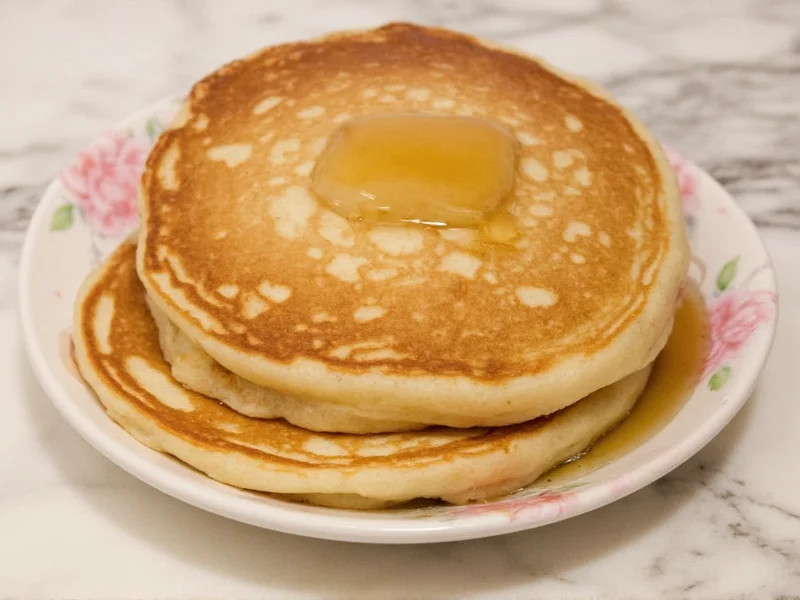
Why This Homemade Pancake Recipe Actually Works
Most pancake recipes fail because they ignore two critical chemistry principles: gluten development and leavening activation. Our method solves both by using a two-bowl technique that minimizes overmixing while maximizing rise. Unlike viral recipes that promise "fluffiness" with baking soda alone, we combine buttermilk’s natural acids with baking powder for double-acting lift—creating air pockets that stay intact during cooking.
| Ingredient | Key Function | Pro Substitution |
|---|---|---|
| Buttermilk (1 cup) | Activates baking powder + tenderizes | 1 cup milk + 1 tbsp vinegar |
| All-purpose flour (1.5 cups) | Structure without toughness | 1 cup whole wheat + 0.5 cup AP flour |
| Baking powder (2 tsp) | Double-acting rise for height | No substitution—critical! |
Your Pancake Success Toolkit
Forget expensive gadgets. These three items make the difference between rubbery and restaurant-perfect:
- 8-inch nonstick skillet (not cast iron): Maintains even 375°F heat without hot spots
- Ice cream scoop: Ensures uniform portioning for consistent cooking
- Instant-read thermometer: Verifies oil temperature (critical for golden crust)
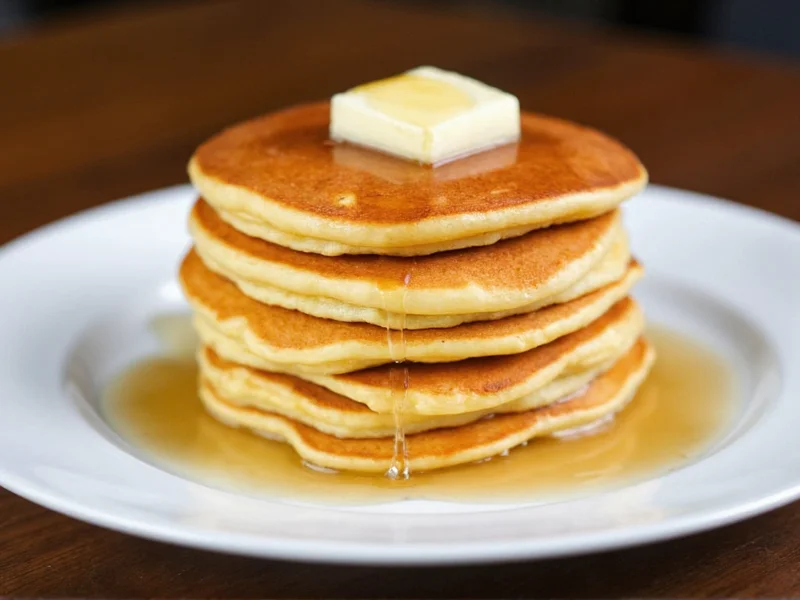
Step-by-Step: The 4-Minute Batter Method
- Dry bowl prep: Whisk flour, baking powder, sugar, and salt. Pro tip: Sift if humidity exceeds 60% to prevent lumps
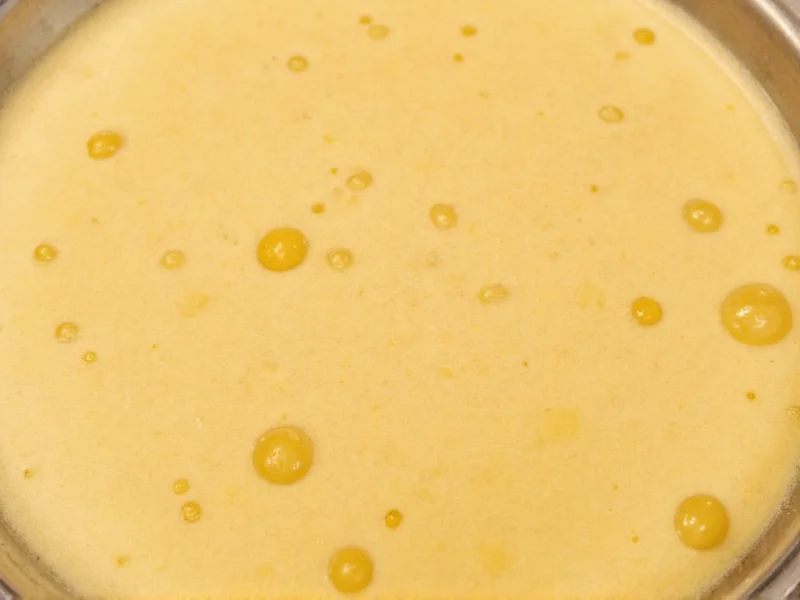
- Wet ingredients: Gently fold buttermilk and melted butter into dry mix—stop when 10 lumps remain. Overmixing = tough pancakes
- Rest time: Let batter sit 4 minutes (not 10!). This hydrates flour without activating gluten
- Cooking sequence:
- Preheat skillet to 375°F (test with water droplets—they should dance)
- Pour 1/4 cup batter per pancake
- Flip when bubbles persist for 3 seconds (not just appear)
- Cook 60-90 seconds until golden brown
Troubleshooting Like a Pro
Fix these common issues before they happen:
- Flat pancakes? Baking powder expired. Test by mixing 1 tsp with hot water—should fizz vigorously
- Burnt edges? Your stove’s “medium” is too hot. Use thermometer: 350-375°F is ideal
- Soggy centers? Skipped the 4-minute rest. Batter needs time for starch hydration
Beyond Basic: 3 Chef-Approved Variations
Customize without compromising texture:
- Blueberry Burst: Toss berries in 1 tbsp flour first—prevents sinking and color bleed
- Whole Wheat Upgrade: Replace 50% AP flour with white whole wheat + add 2 tbsp extra buttermilk
- Vegan Swap: Use almond milk + 1 tbsp apple cider vinegar + 1 tsp extra baking powder
Serving Secrets That Elevate Everything
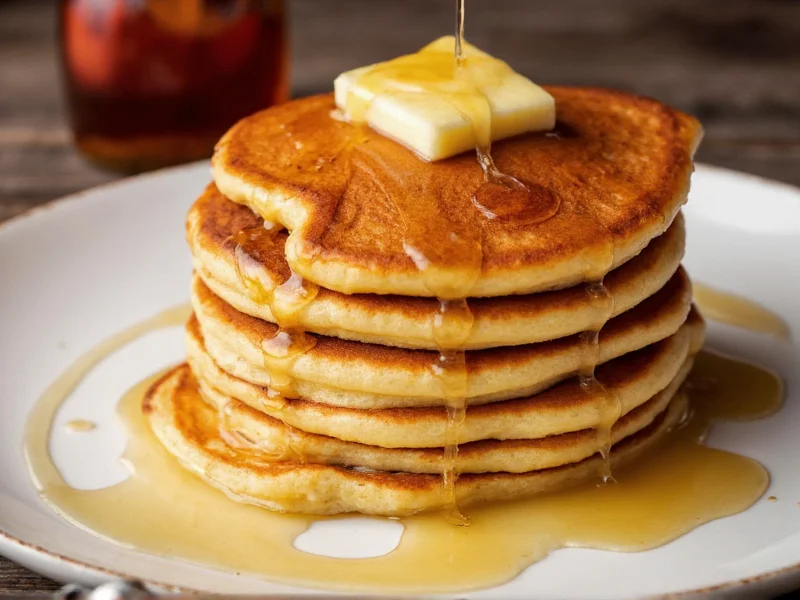
Professional chefs never drown pancakes in syrup. Instead:
- Warm pure maple syrup to 110°F (enhances flavor perception)
- Place butter under pancakes so it melts into crevices
- Add texture with toasted pecans—not just as topping but folded into batter
Frequently Asked Questions
Can I make pancake batter the night before?
Yes, but with critical adjustments: Omit baking powder, store wet/dry mixes separately in fridge, and combine with fresh baking powder 10 minutes before cooking. Overnight storage degrades leavening agents by 40%.
Why do my pancakes stick even with nonstick spray?
Nonstick spray contains lecithin that carbonizes at 350°F. Use refined coconut oil instead—it has a 400°F smoke point and creates a natural nonstick barrier when properly preheated.
How do I get restaurant-style height without buttermilk?
Combine 1 cup milk with 1 tbsp lemon juice. Wait 5 minutes until curdled. Then add 1/4 tsp cream of tartar to react with baking soda—this replicates buttermilk’s pH level (4.4) for optimal rise.





 浙公网安备
33010002000092号
浙公网安备
33010002000092号 浙B2-20120091-4