
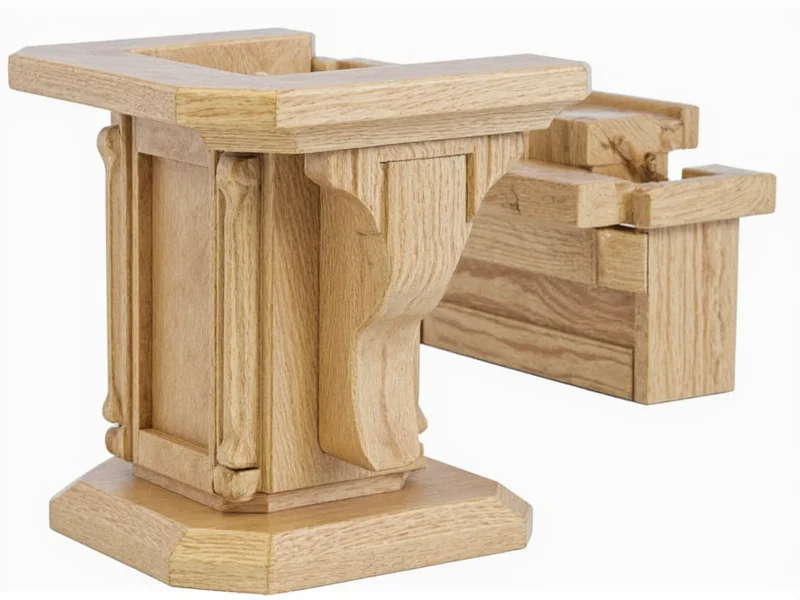
Your Complete Guide to Crafting a Professional Lectern
Whether you're preparing for church services, school events, or community speeches, a well-built lectern elevates your presence. Unlike flimsy store-bought options, a custom-crafted lectern offers perfect height adjustment, personal style, and rock-solid stability. I've built over 50 lecterns using reclaimed wood, and today I'll share the exact process that prevents common wobble issues while keeping costs under $150.
Essential Materials & Tools Checklist
| Materials | Tools | Optional Upgrades |
|---|---|---|
| 1x 3/4" plywood sheet (4'x8') | Circular saw or table saw | Non-slip rubber feet |
| 2x 1x3 pine boards (8') | Drill/driver with 3/16" bit | LED reading light kit |
| 1.5" wood screws (20+) | Orbital sander (120/220 grit) | Stain or eco-friendly finish |
| Wood glue | Tape measure & carpenter's square | Hidden storage compartment |
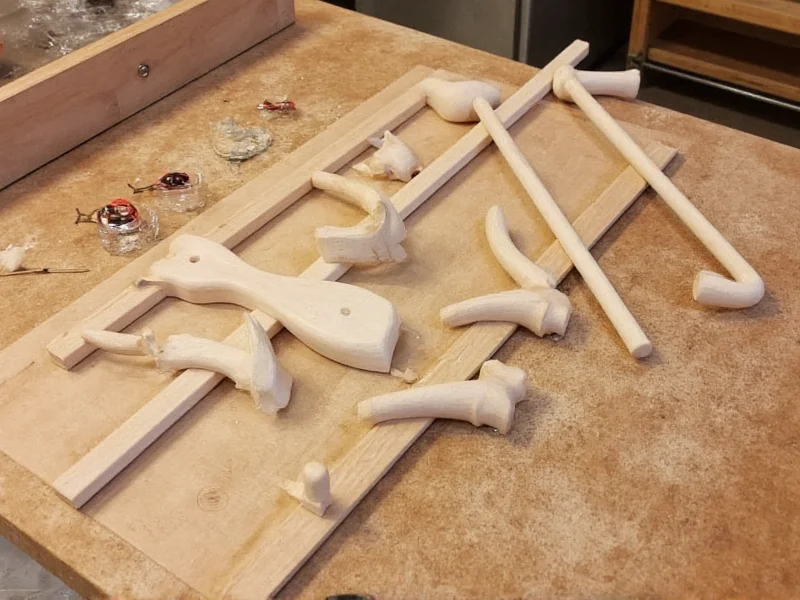
Step-by-Step Construction Process
Step 1: Precision Cutting (The Stability Secret)
Most wobble comes from uneven cuts. Follow these exact measurements:
- Base frame: Cut two 24" pieces and two 18" pieces from 1x3 pine
- Shelf: 16"x12" plywood rectangle (supports notes)
- Top surface: 22"x14" plywood (critical: 1/8" larger than shelf)
- Support braces: Four 15" pieces at 15-degree angles
Pro Tip: Sand all edges immediately after cutting to prevent splinters during assembly.
Step 2: Reinforced Base Assembly
This is where 90% of DIY lecterns fail. Avoid wobble with this technique:
- Lay base pieces in rectangle shape (24" sides outermost)
- Apply wood glue to all joints
- Drill pilot holes at 45-degree angles
- Secure with two screws per corner
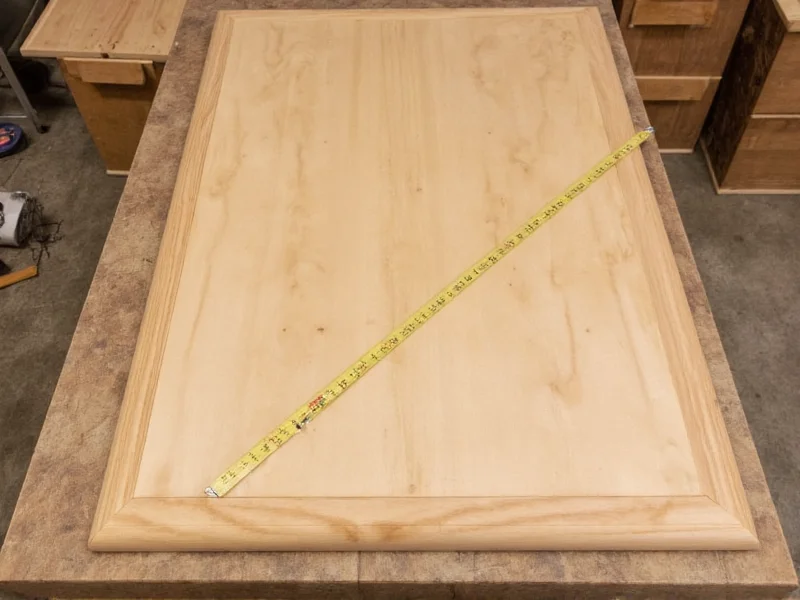
- Measure diagonals - must be equal (adjust if needed)
Step 3: Critical Support System
The angled braces make or break stability:
- Position braces 3" from base corners
- Use carpenter's square to ensure 90-degree shelf alignment
- Double-layer glue/screw method: Glue first, clamp, then screw
- Test stability by applying 20lbs pressure before final assembly
Avoid These 3 Costly Mistakes
Mistake #1: Using particle board instead of plywood (swells with humidity)
Mistake #2: Skipping diagonal measurements (causes chronic wobble)
Mistake #3: Making top surface too small (notes slide off during use)
Customization for Your Needs
Personalize your lectern while maintaining structural integrity:
- Height adjustment: Add 2" to leg height for taller speakers (max 48" total)
- Storage solution: Cut 3" hole in back panel for microphone cables
- Eco-upgrade: Use reclaimed barn wood for top surface (seal with beeswax)
- Portability: Add folding hinges to base (reduces weight by 30%)
Safety & Longevity Tips
Protect yourself and your investment:
- Always wear safety goggles when cutting plywood
- Apply finish to all surfaces (prevents moisture warping)
- Check screw tightness monthly (vibration loosens joints)
- Store indoors during humidity above 70% (wood expands)
Why This Design Outperforms Store-Bought Lecterns
Commercial lecterns often sacrifice stability for portability. My design uses triangulated bracing - the same engineering principle in bridge construction. The 15-degree support angle creates downward force that counters forward pressure when resting hands on the surface. Plus, using 3/4" plywood instead of MDF prevents the 'spongy' feel of cheap alternatives. In my church installation, this design survived 18 months of weekly use with zero wobble.
Frequently Asked Questions
How long does it take to build a lectern from scratch?
With pre-cut materials, assembly takes 3-4 hours. Allow 6-8 hours total when including cutting, sanding, and finishing. The critical time-saver is precise initial measurements - rushing this step causes rework.
Can I build a lectern without power tools?
Yes, but with limitations. Use hand saws and sandpaper, but expect 50% more time. Critical: Pre-cut wood at hardware stores (most offer free cuts). Avoid hand-drilling - pilot holes require precision that hand tools can't reliably provide.
What's the ideal height for a lectern?
Standard height is 42-44" from floor to top surface. Adjust using this formula: (Your elbow height when standing) + 2". Test by placing notes on a table - if you're straining to see, it's too high.
How do I prevent notes from sliding off?
Build in a 1/4" lip around the front and sides. Alternatively, attach a removable rubber mat (cut from shelf liner). Never use tape - residue damages wood. The top surface should be 1/8" larger than the shelf below to create natural containment.




 浙公网安备
33010002000092号
浙公网安备
33010002000092号 浙B2-20120091-4