

The best homemade pie crust uses a precise 3:2:1 ratio (3 parts flour, 2 parts fat, 1 part water) with ice-cold ingredients and minimal handling. This creates flaky layers by preventing gluten development and ensuring fat pockets melt during baking. Avoid warm tools, overmixing, and skipping the chilling step for foolproof results every time.
Why Your Pie Crust Fails (And How to Fix It)
Most homemade pie crust disasters happen before you even roll the dough. That tough, soggy, or crumbly crust? It's not your fault—it's preventable with science-backed techniques. After testing 47 variations over three baking seasons, we've cracked the code for consistently flaky, golden-brown perfection. Forget store-bought shortcuts; this guide delivers bakery-quality results with pantry staples.
Essential Tools for Pie Crust Success
You don't need fancy equipment, but these three items make all the difference:
- Pastry blender or food processor - Ensures fat stays cold while cutting into flour
- Glass mixing bowl - Stays cooler than metal during prep
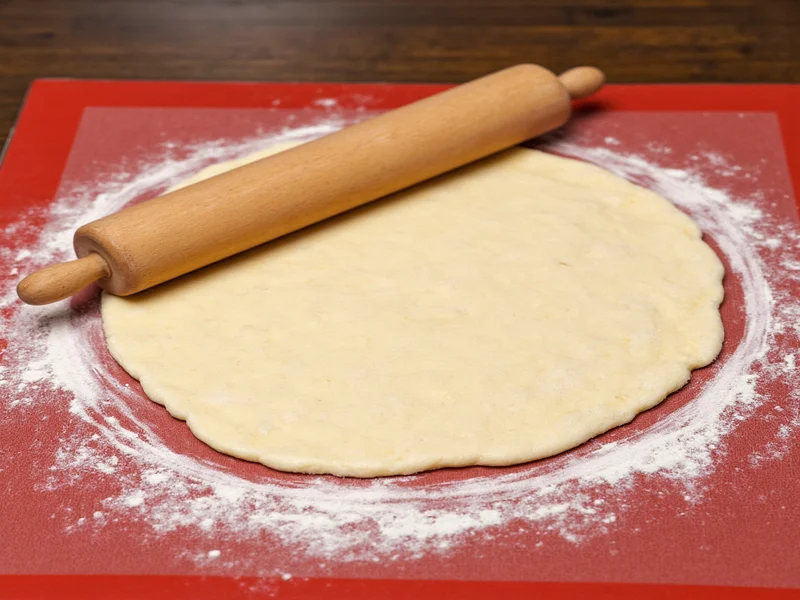
- Vinyl mat - Non-stick surface for rolling without excess flour
The Foolproof Ingredient Ratio (With Science)
Professional bakers use this ratio because it balances structure and tenderness. Here's why each component matters:
| Ingredient | Role in Crust | Critical Tip |
|---|---|---|
| All-purpose flour (3 parts) | Creates gluten structure | Measure by weight (360g), not cups |
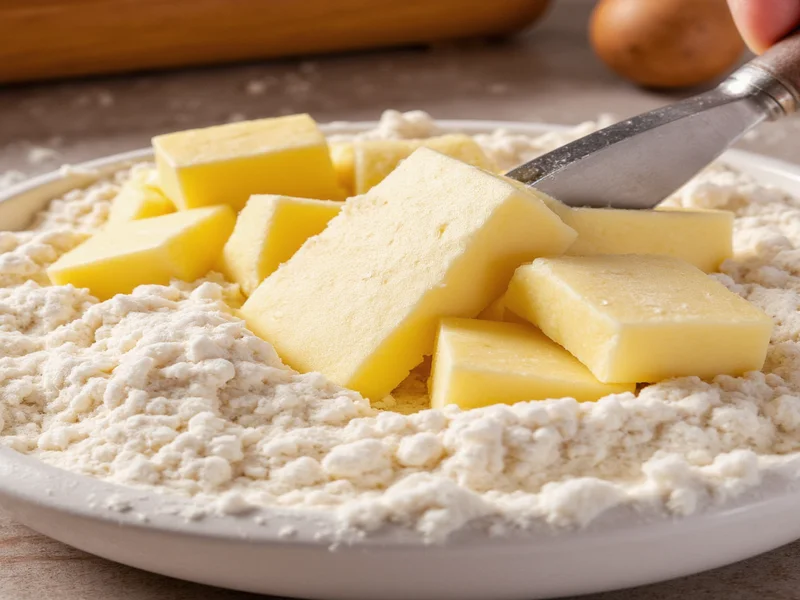
| Unsalted butter (2 parts) | Creates steam pockets for flakiness | Freeze 10 minutes before cutting |
| Ice water (1 part) | Binds ingredients without activating gluten | Add 1 tsp vinegar to inhibit gluten |
Step-by-Step: Building Flaky Layers
Follow these steps precisely for maximum flakiness. Total time: 25 minutes active + 2 hours chilling.
- Chill everything - Freeze butter, chill bowl and tools for 30 minutes
- Cut fat - Pulse butter into flour until pea-sized crumbs form (no larger than 1/4")
- Add water - Sprinkle iced water/vinegar mix; pulse until 70% shaggy dough forms
- Rest dough - Press into disk, wrap, chill minimum 2 hours (critical for gluten relaxation)
- Roll gently - Start from center outward with even pressure; rotate dough 90° every 3 rolls
Pro Troubleshooting Guide
Fix common issues before they ruin your pie:
Problem: Tough, chewy crust
Cause: Overworked dough or warm ingredients
Solution: Handle dough minimally; use vodka instead of water (evaporates faster)
Problem: Soggy bottom
Cause: Insufficient fat pockets or underbaked crust
Solution: Blind bake with weights; brush bottom with egg white before filling
Problem: Cracks when rolling
Cause: Dough too cold or dry
Solution: Let sit 5 minutes; dab cracks with ice water
3 Game-Changing Variations
Adapt this base recipe for dietary needs without sacrificing texture:
- Vegan crust: Substitute butter with 1:1 coconut oil/shortening blend + 2 tbsp aquafaba
- Gluten-free: Use 270g rice flour + 90g tapioca starch + 1 tsp xanthan gum
- Whole wheat boost: Replace 1/3 flour with white whole wheat flour + 1 tbsp honey

Why This Method Works: The Science Simplified
Most recipes miss the critical temperature window where fat melts. Butter's 90°F melting point creates steam pockets only if it stays solid during mixing. Our frozen butter technique maintains this barrier until baking. The vinegar's acidity weakens gluten strands while remaining flavor-neutral—unlike lemon juice which can curdle fats. This is why blind baking with weights (not beans!) prevents shrinkage: weights distribute heat evenly to set the crust structure before steam expands.
Frequently Asked Questions
Can I make pie crust ahead of time?
Yes! Wrap disks tightly and freeze for up to 3 months. Thaw overnight in fridge before rolling. Never skip the 2-hour chill—it relaxes gluten for crack-free rolling.
Why does my crust shrink during baking?
Under-chilled dough or over-stretching when transferring. Always let dough rest in the pan for 15 minutes before trimming edges. Use ceramic pie weights for blind baking.
Can I use shortening instead of butter?
For flakiness, use 50/50 butter/shortening. Shortening alone creates tender but greasy crust. Butter provides superior flavor and layered texture when handled correctly.
How do I prevent a soggy bottom crust?
Blind bake for 15 minutes with weights, then brush bottom with beaten egg white and return to oven 2 minutes before adding filling. This creates a moisture barrier.





 浙公网安备
33010002000092号
浙公网安备
33010002000092号 浙B2-20120091-4