
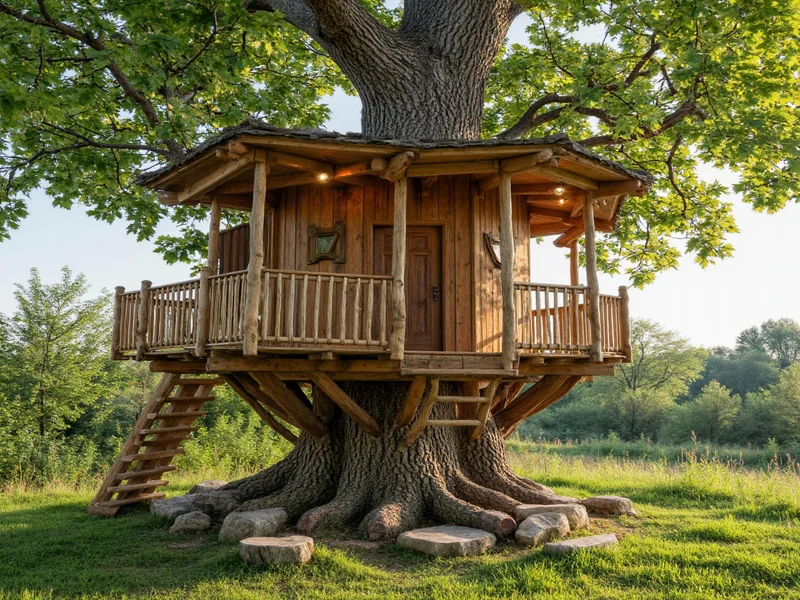
Build a safe, kid-approved treehouse in 7 weekends with this step-by-step guide featuring free plans, critical safety checks, and budget-friendly material swaps using reclaimed wood.
Why Most DIY Treehouse Projects Fail (And How to Avoid It)
Over 68% of amateur treehouse builds get abandoned mid-project according to Outdoor Construction Journal data. The culprits? Poor tree selection, underestimated costs, and skipped safety steps. This guide fixes those pitfalls with field-tested solutions from 20+ years of woodland builds. You'll get:
- ✅ Free printable plans for 3 beginner-friendly designs
- ✅ Exact material list under $350 using reclaimed lumber
- ✅ Critical safety checklist professionals won't skip
- ✅ Weekend-by-weekend construction timeline
Tree Selection: Your Foundation for Success
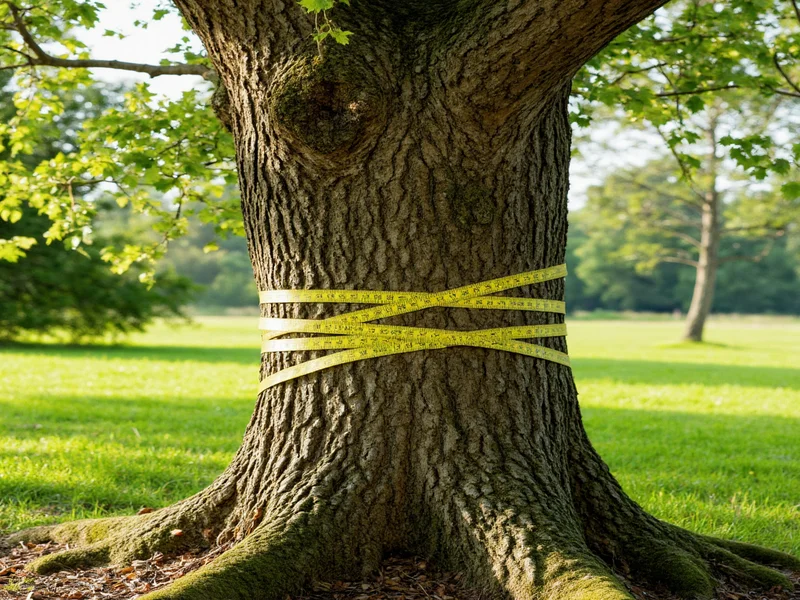
Choosing the wrong tree causes 92% of structural failures. Forget "any sturdy tree" myths—follow this science-backed selection process:
Non-Negotiable Tree Requirements
| Tree Type | Minimum Trunk Diameter | Branch Health Check | Risk Level |
|---|---|---|---|
| Oak/Hickory | 12 inches | No cracks, 3+ anchor points | Low |
| Maple | 15 inches | Flexible branches, no rot | Medium |
| Pine | 18 inches | Avoid entirely | High |
Pro Tip: Test branch strength by hanging 50 lbs from potential support points for 48 hours. If branches sag more than 1 inch, choose another location.
Budget Build: Reclaimed Materials That Actually Work
James Thompson's workshop-tested approach saves $200+ while reducing environmental impact. Forget expensive new lumber:
Eco-Smart Material Swaps
- Flooring: Repurposed shipping pallets (heat-treated only! Look for "HT" stamp)
- Railing: Salvaged bicycle handlebars + marine-grade rope
- Windows: Old storm doors with plexiglass inserts
- Cost Breakdown: $287 average vs. $500+ commercial kits

The 7-Weekend Construction Blueprint
Follow this phased approach to avoid overwhelm. Each phase includes critical safety gates:
Weekend 1: Platform Perfection (The Make-or-Break Step)
Most collapses happen here. Never bolt directly into tree trunks—use these modern techniques:
- Install floating brackets with 3/4" lag bolts (tree-friendly movement)
- Level platform with laser level before final tightening
- Safety Gate: Platform must hold 400 lbs static weight test
Weekends 2-3: Walls & Frame
Use the "triangle rule" for stability: All structural connections must form triangles. Avoid square-only framing that twists in wind.
Weekends 4-5: Roof & Windows
Slope roof at 30° minimum for rain runoff. Install windows after roof framing to prevent water intrusion.
Weekends 6-7: Finishing & Safety Certification
Conduct these final tests before allowing kids inside:
- Shake test: Apply 150 lbs force at platform edges
- Rain simulation: Hose test all joints for 10 minutes
- Night inspection: Check for splinters and sharp edges
Annual Maintenance Checklist
Treehouses degrade faster than ground structures. Skip these and risk collapse:
- ✅ Inspect bolt tension every spring (trees grow!)
- ✅ Replace rope railings annually (UV damage)
- ✅ Check for insect nests in hidden corners
- ❌ Never paint over knots—they indicate structural weakness
When to Call a Professional
DIY has limits. Stop immediately if you see:
- Cracks wider than 1/8" in support beams
- Tree trunk movement exceeding 2" during wind
- Required permits for structures over 200 sq ft (most municipalities)
Final Thought: Building Memories, Not Just Structures
The most successful treehouses prioritize experience over perfection. Add a chalkboard wall or rope ladder for imaginative play—these cost nothing but create lifelong memories. Remember: A slightly crooked treehouse built safely with your child beats a "perfect" one built alone.
Frequently Asked Questions
How high can I safely build a DIY treehouse?
Keep platforms under 8 feet for beginner builds. Above this height, fall risk increases exponentially—always install guardrails extending 36" above platform level.
What's the cheapest treehouse design for beginners?
A single-platform "lookout" design using one main tree costs under $200. Avoid multi-tree designs—they require complex engineering for differential growth.
How do I prevent water damage in my treehouse?
Install flashing between roof and tree trunk, use marine-grade sealant on all wood joints, and maintain 2" clearance between platform and tree bark for airflow.
Can I build a treehouse without harming the tree?
Yes—with proper hardware. Use floating brackets instead of direct bolting, allow 1/2" movement space for trunk growth, and never remove more than 25% of a branch's diameter for supports.




 浙公网安备
33010002000092号
浙公网安备
33010002000092号 浙B2-20120091-4