
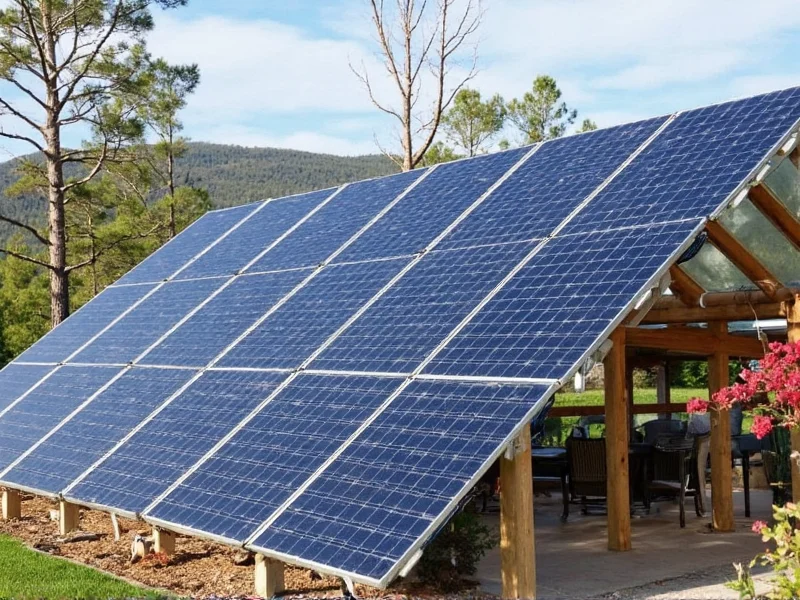
DIY photovoltaic panels are generally not cost-effective or safe for home power generation. Commercial panels cost $0.20-$0.50/watt while DIY builds average $1.00-$2.50/watt with significant safety risks. Most homeowners achieve better results through professional installation or small-scale educational projects only.
Why DIY Solar Panels Rarely Make Sense (The Hard Truth)
Despite viral "$200 solar panel" videos, building photovoltaic panels yourself faces three critical hurdles:
⚡ Safety First: Non-Negotiable Risks
- Electrical hazards: Homemade panels often lack proper grounding, risking fire or electrocution (NFPA reports 500+ solar-related fires annually)
- Chemical exposure: Soldering solar cells releases toxic fumes without industrial ventilation
- Structural failures: Improperly sealed panels can leak, causing roof damage or electrical shorts
Never connect DIY panels to your home's electrical system without certified inspection. Most insurance policies void coverage for unpermitted solar installations.
💰 Cost Reality Check
| Component | Commercial Panel (5kW) | DIY Build (5kW) |
|---|---|---|
| Materials | $3,500-$7,000 | $5,000-$12,500 |
| Installation | $1,500-$3,000 | $0 (but 80+ hours labor) |
| Maintenance | 25-year warranty | No warranty; frequent repairs |
| Total 10-year cost | $4,200 | $9,800+ |
Source: NREL 2024 Residential Solar Report. DIY costs assume no mistakes - one failed solder joint can scrap $200 of cells.
When DIY Photovoltaic Projects Can Work (Safely)
Forget powering your home. Focus on these realistic applications where DIY makes sense:
🔋 Small-Scale Educational Builds
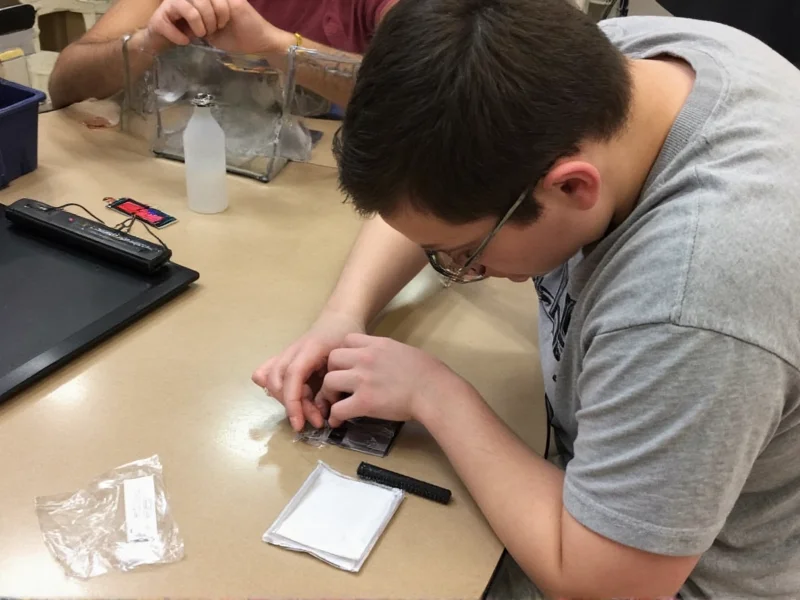
Ideal for learning basic photovoltaics:
- Size limit: Under 50 watts (enough for phone charging or garden lights)
- Key materials: Pre-tabbed solar cells ($0.30/cell), plexiglass, junction box
- Time investment: 15-20 hours for first build
Start with our step-by-step guide for a 20W panel. Always use a charge controller!
Step-by-Step: Building a Safe 20W Educational Panel
For learning only - not for home power
🛠️ Required Materials
- 36x 0.5V solar cells (pre-tabbed, $12)
- 1/4" plexiglass sheet ($8)
- Wood frame kit ($15)
- 10A PWM charge controller ($22)
- Safety gear: Welding mask, nitrile gloves
🔧 Assembly Process
- Prep workspace: Ventilated area with ESD-safe mat
- String cells: Solder cells in series (negative to positive) using 60/40 rosin-core solder
- Test output: Verify 18V open-circuit voltage before sealing
- Seal panel: Encapsulate with ethylene vinyl acetate (EVA) sheets
- Final test: Connect to charge controller with 12V battery
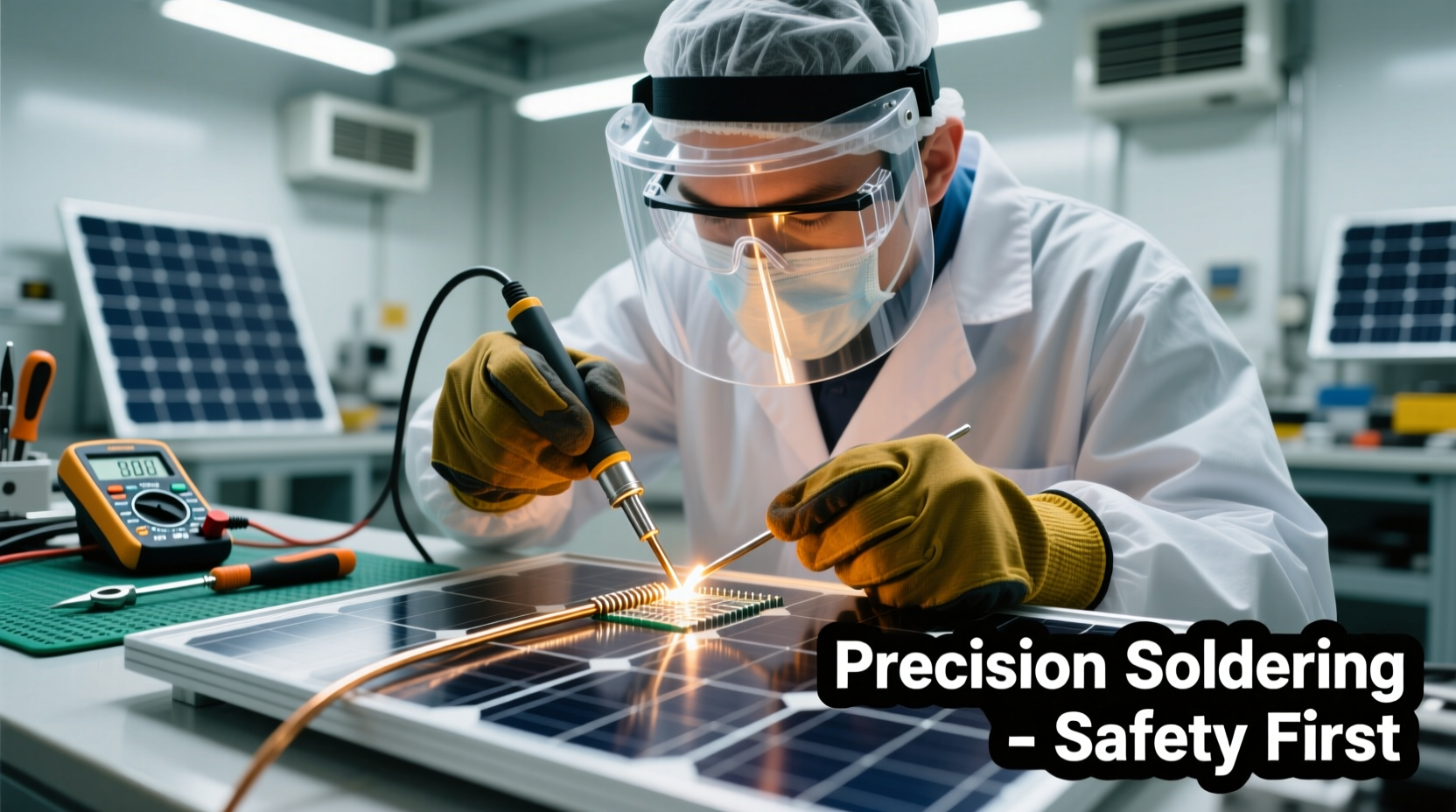
Never skip the charge controller - direct battery connection causes fires. Test outdoors away from flammables.
3 Practical Alternatives to Full DIY Solar
Get solar benefits without the risks:
✅ Solar Kits for Beginners
- Renogy 100W Starter Kit ($300): Pre-wired components with UL certification
- Portable solar generators: Jackery 500 ($600) for emergency power
- Community solar programs: Subscribe to local solar farms (no installation needed)
🔧 Hybrid Approach: DIY Mounting Only
Save 30% on installation by:
- Building roof mounts (follow NEC Article 690)
- Running conduit (with electrical permit)
- Hiring electrician only for grid connection
Always get engineering approval before modifying roof structure.
🌱 Focus on Energy Reduction First
Reduce needed solar capacity by 40% with:
- LED lighting retrofits ($0.50/bulb)
- Smart power strips ($15)
- Attic insulation upgrades (R-38)
When to Call a Professional
Consult a licensed installer if you need:
- Grid-tied systems (requires utility approval)
- Systems over 500W
- Roof installations (fall risks)
- Tax credit eligibility (requires certified equipment)

Reputable installers provide 25-year performance warranties and handle all permitting. Get 3 quotes using EnergySage's marketplace to compare.
Final Reality Check
While building photovoltaic panels teaches valuable skills, commercial solar remains 3-5x more cost-effective for home energy. Focus DIY efforts on small educational projects under 50W, and always prioritize safety over savings. The most sustainable choice? Reducing energy consumption first, then using certified equipment for any meaningful solar generation.
Frequently Asked Questions
Can I really save money building my own solar panels?
No. DIY photovoltaic panels cost 2-5x more per watt than commercial systems when factoring in materials, time, and failure rates. Most "savings" claims ignore safety equipment and long-term maintenance.
What's the safest DIY solar project for beginners?
Start with a 20W educational panel using pre-tabbed cells and a charge controller. Never exceed 50 watts, avoid roof installations, and never connect to household wiring. Treat it as a science project, not a power source.
Why do DIY solar panels have shorter lifespans?
Commercial panels use tempered glass, aerospace-grade encapsulants, and rigorous testing. DIY versions typically fail within 2-5 years due to moisture ingress, cell microcracks from improper soldering, and UV degradation of non-industrial materials.
Are there legal restrictions on homemade solar panels?
Yes. Most jurisdictions require UL certification for grid-tied systems. DIY panels won't qualify for federal tax credits (ITC) and may violate building codes. Always check local regulations and consult your homeowner's insurance before installation.





 浙公网安备
33010002000092号
浙公网安备
33010002000092号 浙B2-20120091-4