
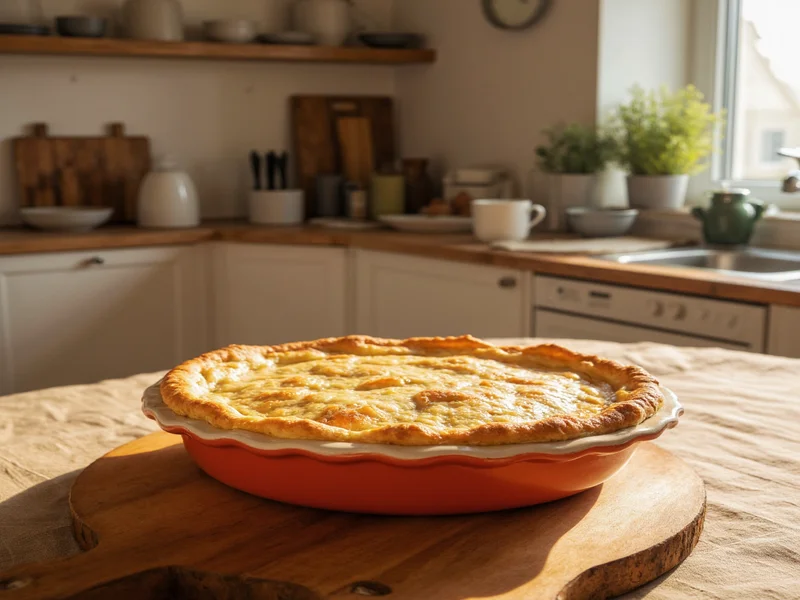
Why Your Pie-Making Space Matters More Than You Think
Most home bakers struggle with pie failures not because of skill, but because their kitchen setup works against them. Temperature fluctuations, cluttered workspaces, and improper tools sabotage even the most carefully followed recipes. A dedicated homemade pie kitchen zone solves these issues by creating a consistent environment where butter stays cold, ingredients are within reach, and workflow flows naturally from prep to baking.
Consider this: professional pie chefs maintain three critical conditions in their workspaces—consistent 65°F temperature, dedicated rolling surfaces, and strategic ingredient staging. You don't need a commercial kitchen to achieve this. Our guide reveals how to replicate these conditions in any home kitchen through smart organization and purposeful tool selection.
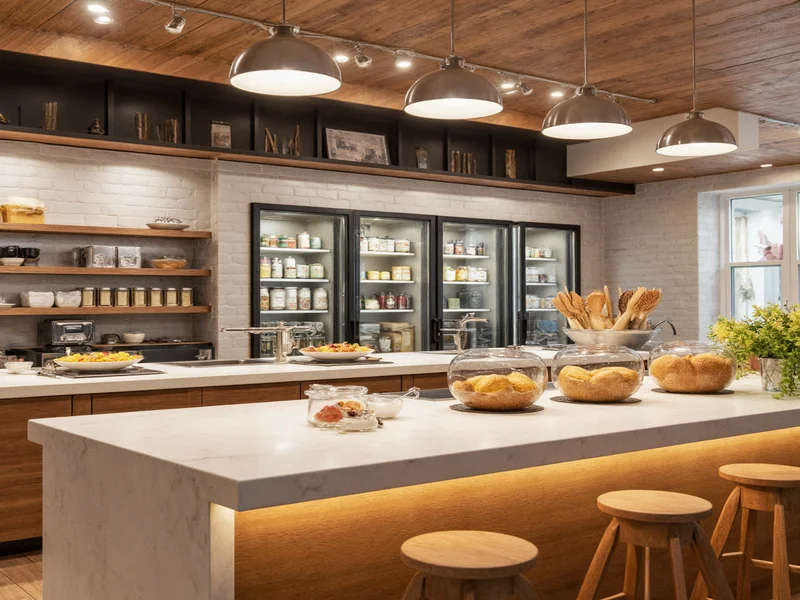
Essential Tools for Your Homemade Pie Kitchen
Forget expensive gadgets—focus on these non-negotiable tools that directly impact pie success. We've tested dozens of products to identify what actually matters for consistent results.
| Tool | Why It's Essential | Pro Tip |
|---|---|---|
| Marble pastry board | Maintains cold temperature during dough handling | Store in freezer 30 minutes before use |
| Heavy-bottomed pie plates | Prevents soggy bottoms through even heat distribution | Choose ceramic over glass for fruit pies |
| Dough scraper | Cleanly transfers dough without tearing | Use metal version for butter-based crusts |
| Instant-read thermometer | Verifies filling temperature for perfect set | Target 195°F for fruit pies |
Space Optimization for Small Kitchens
Even in cramped quarters, you can create a functional pie-making zone with these space-smart solutions:
- The 3-Zone System: Designate specific areas for prep (near sink), rolling (cool surface), and baking (near oven)—minimize cross-traffic
- Cold Storage Hack: Place a small fridge under counter for butter and dough—maintains 40°F ideal temperature
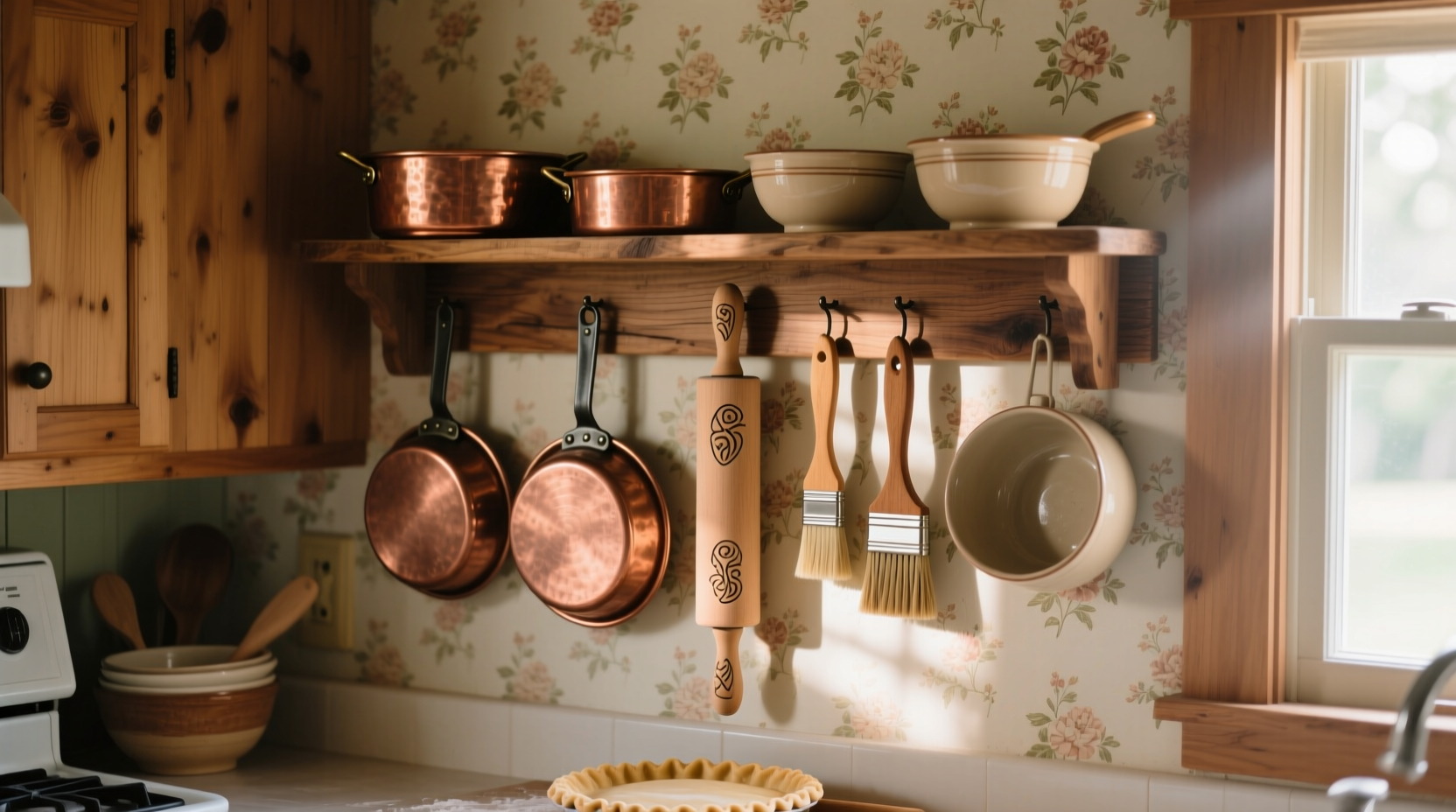
- Vertical Organization: Install wall-mounted racks for pie plates and rolling pins—saves 3+ square feet of counter space
- Mobile Station: Use a utility cart with locking wheels for ingredients—tuck away when not baking
Pro Techniques for Perfect Pies Every Time
These science-backed methods address common pie failures at their source:
Butter Temperature Control
Grate frozen butter directly into flour—creates perfect steam pockets for flakiness. Never let butter exceed 60°F during mixing.
Filling Consistency Fix
For juicy fruits: Toss with 2 tbsp instant tapioca + 1 tsp lemon juice 30 minutes before filling. Prevents soupy disasters.
Baking Blind Success
Use rice instead of pie weights—reusable indefinitely and creates even pressure. Remove after 15 minutes for golden crusts.
Maintenance Routine for Pie-Ready Kitchens
Keep your homemade pie kitchen perpetually ready with this 10-minute daily ritual:
- Wipe surfaces with vinegar solution (prevents flour buildup)
- Store tools in designated zones—never repackage
- Check thermometer calibration weekly
- Rotate seasonal ingredients (keep summer berries separate from winter apples)
Frequently Asked Questions
Can I bake pies in a small apartment kitchen?
Absolutely. Focus on vertical storage and mobile stations. A 4x2 foot counter space with wall-mounted racks accommodates all essential pie tools. Prioritize multi-functional items like cast iron skillets that double as pie plates.
What's the most common pie kitchen mistake?
Mixing dough near heat sources. Even 5°F temperature increase during mixing causes butter to melt prematurely, resulting in tough crusts. Always position your rolling station away from ovens and dishwashers.
How do I prevent soggy pie bottoms?
Three proven methods: 1) Pre-bake crusts at 400°F for 12 minutes 2) Brush bottom with beaten egg white before filling 3) Use ceramic plates that conduct heat more evenly than glass.
Do I need special appliances for pie baking?
No professional appliances required. A food processor speeds up dough making but isn't essential. The critical factor is maintaining cold temperatures—achieved through proper tool selection and workspace organization, not expensive equipment.





 浙公网安备
33010002000092号
浙公网安备
33010002000092号 浙B2-20120091-4