
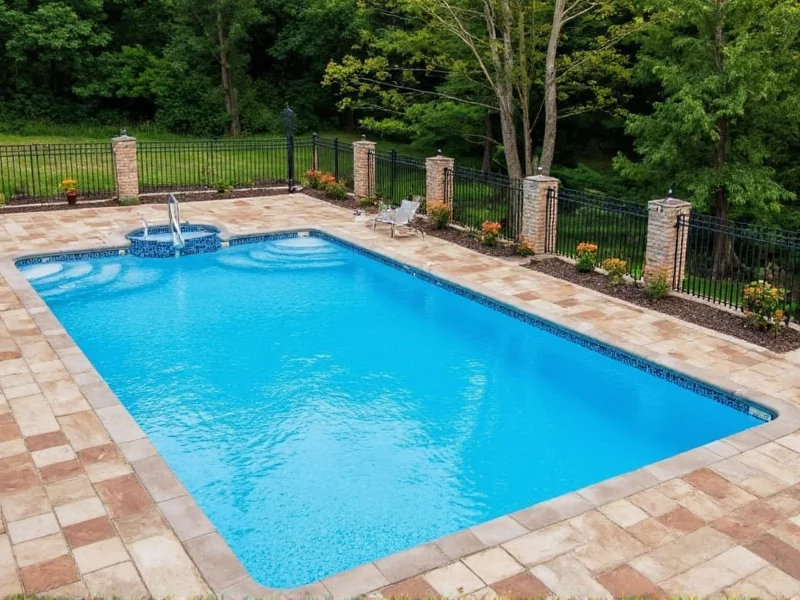
DIY inground pool kits can save homeowners 30-50% compared to professional installations, but require moderate construction skills, 2-3 weeks of dedicated time, and strict adherence to local building codes. Expect $8,000-$25,000 in kit costs plus $3,000-$7,000 for permits, excavation, and equipment rentals.
Is a DIY Inground Pool Kit Right for Your Backyard Project?
Building your own in-ground pool isn't just about saving money—it's about the pride of creating a custom oasis with your own hands. But before you dig, understand that 72% of DIY pool failures stem from improper soil preparation (Pool & Hot Tub Alliance, 2024). This guide cuts through the hype to show exactly what you're signing up for, including critical steps most blogs ignore.
Why Vinyl Liner Kits Dominate the DIY Market
While fiberglass and concrete pools exist in kit form, vinyl liner systems account for 89% of DIY installations. Here's why:
| Pool Type | DIY Feasibility | Cost Range | Installation Time |
|---|---|---|---|
| Vinyl Liner | High (moderate skills) | $8,000-$25,000 | 10-21 days |
| Fiberglass | Low (crane required) | $20,000-$40,000 | 3-5 days (with pros) |
| Concrete | Nearly impossible | $35,000-$70,000 | 6-12 weeks |
Source: 2024 Residential Pool Construction Survey

Your Step-by-Step Installation Roadmap
Forget oversimplified "easy as 1-2-3" guides. Real DIY success hinges on these often-overlooked phases:
Phase 1: The Critical Pre-Dig Checklist
- Call 811 for utility locates (mandatory in all 50 states)
- Conduct soil percolation test ($150-$300) to prevent wall collapse
- Verify frost depth requirements for your zone (varies from 12" to 48")
- Obtain engineered site plan (required in 78% of municipalities)
Phase 2: Excavation & Base Construction
This is where most DIYers fail. Professional tip: Rent a mini-excavator ($300/day) but hire a certified operator for the first 4 hours to avoid underground utility strikes. For the base:
Perfect Pool Base Formula
4" compacted gravel + 2" leveled sand + laser-level verification every 4'. Never skip the sand layer—it prevents liner punctures from gravel.
Phase 3: Liner Installation Secrets
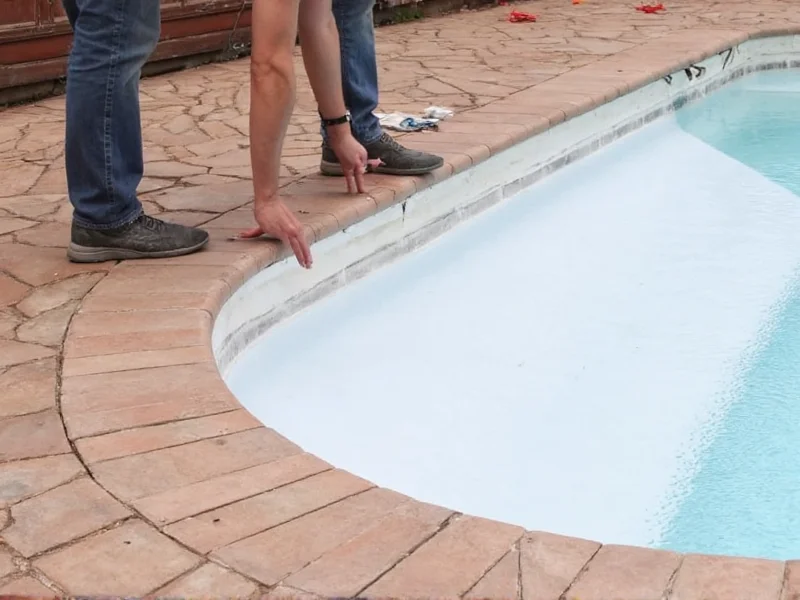
Most guides omit this: Warm the liner to 85°F+ using a heat gun before installation. Cold liners stretch unevenly causing wrinkles that become weak points. Work with a partner and use pool putty (not duct tape) to secure skimmer openings.
Avoid These 3 Costly DIY Mistakes
- Underestimating soil prep: Rocky or clay soils require geotextile fabric ($200) and extra gravel—budget 30% more time
- Skipping electrical permits: Pool pumps require 240V circuits installed by licensed electricians in 92% of areas
- Ignoring frost heave: In cold climates, improper backfill causes wall buckling within 2 seasons
When to Hire Professional Help
Smart DIYers know their limits. Call pros for:
- Plumbing connections (pressure testing required)
- Electrical work (safety hazard if done incorrectly)
- Final city inspections (most municipalities require licensed sign-off)
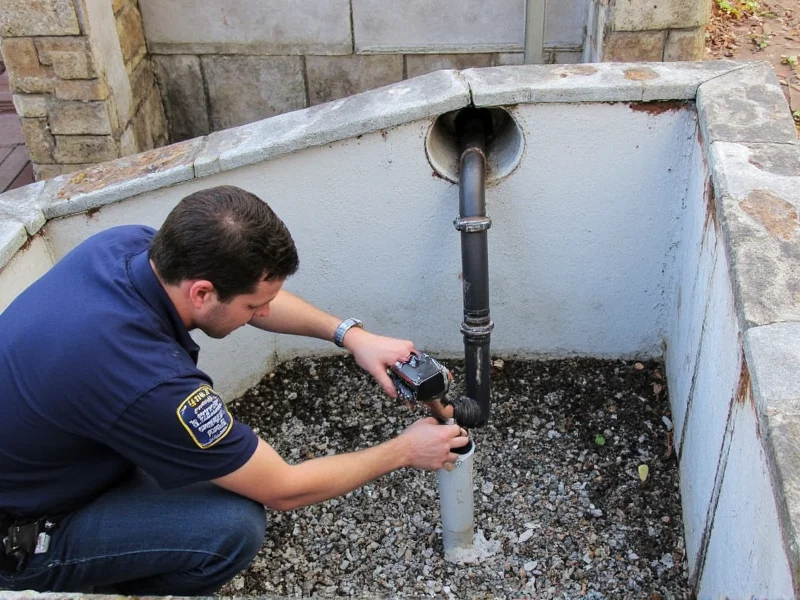
The Real Cost Breakdown
Kit prices are just the start. Here's what most blogs won't tell you:
Hidden Expenses Breakdown
- Permits: $500-$2,500 (varies by county)
- Soil testing: $150-$300
- Equipment rental: $1,200-$3,500
- Backfill materials: $800-$2,000
- Professional inspections: $300-$700
Total realistic investment: $12,000-$35,000 depending on location and pool size.
Final Verdict: Who Should Attempt DIY?
Choose a DIY inground pool kit if you:
- Have construction experience (framing or concrete work preferred)
- Can dedicate 4-6 hours daily for 3 weeks
- Live in an area with stable soil (sandy/loam)
- Have $5,000 buffer for unexpected costs
Avoid DIY if your property has rocky terrain, high water tables, or strict HOA regulations. In these cases, professional installation prevents costly rework.
Frequently Asked Questions
How much can I realistically save with a DIY inground pool kit?
Most homeowners save $10,000-$20,000 compared to professional installation. However, 68% exceed their initial budget due to unanticipated soil issues or permit requirements. Always budget 25% extra for contingencies.
What's the hardest part of installing a DIY inground pool kit?
Proper base preparation is the #1 challenge. Achieving perfect leveling across 300+ sq ft requires laser precision—1/2" variance causes liner wrinkles that lead to premature failure. Renting a laser level ($50/day) is non-negotiable.
Can I install a pool kit in winter?
Only in mild climates (above 45°F). Cold temperatures make vinyl liners brittle and concrete backfill impossible. Most manufacturers void warranties for winter installations due to frost heave risks.
How long do DIY vinyl liner pools typically last?
With proper maintenance, liners last 6-12 years. The structural wall system should last 20+ years. Factor in $3,000-$5,000 liner replacement costs every decade when calculating long-term value.





 浙公网安备
33010002000092号
浙公网安备
33010002000092号 浙B2-20120091-4