
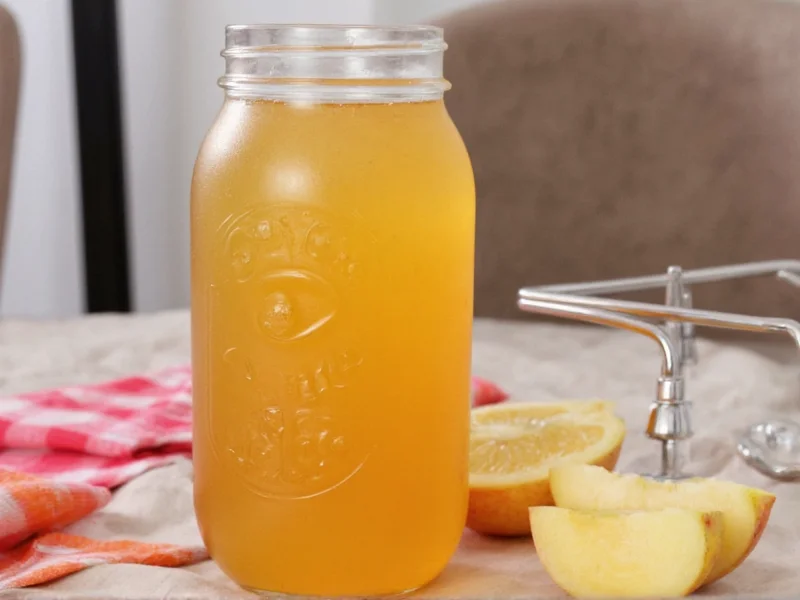
Why Craft Your Own Apple Cider Vinegar?
Commercial apple cider vinegar often undergoes pasteurization that destroys beneficial enzymes and probiotics. When you make diy apple cider vinegar, you control every element - from apple variety to fermentation time. This means:
- Zero preservatives or filtering chemicals
- Up to 30% more acetic acid bacteria than store brands
- Perfect for sensitive skin in beauty routines
- Uses apple scraps that would otherwise go to waste
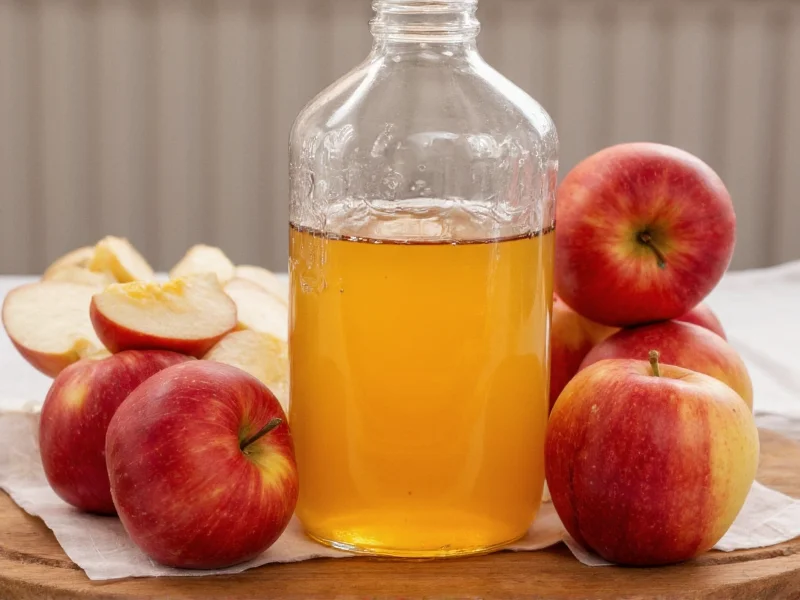
Your Essential DIY Apple Cider Vinegar Toolkit
Forget expensive equipment. This step by step diy apple cider vinegar method requires only basic kitchen items:
| Item | Critical Purpose | Pro Tip |
|---|---|---|
| Organic apples | Natural yeast source | Use bruised fruit or cores |
| Raw honey or sugar | Feeds fermentation | Honey creates milder flavor |
| Filtered water | Prevents chlorine interference | Spring water works best |
| Glass jar + cloth cover | Airflow without contaminants | Avoid metal or plastic |
The Foolproof Fermentation Process
Follow this diy apple cider vinegar fermentation timeline for consistent results. Temperature control (60-80°F) is crucial for healthy bacterial growth.
Stage 1: Alcohol Fermentation (7-10 Days)
- Cut 3 organic apples into 1" chunks (peels on)
- Fill jar ¾ full with fruit, add 2 tbsp honey
- Cover with filtered water leaving 2" headspace
- Cover with cheesecloth, stir daily
Look for bubbles and cloudiness - this means wild yeast is converting sugars to alcohol.
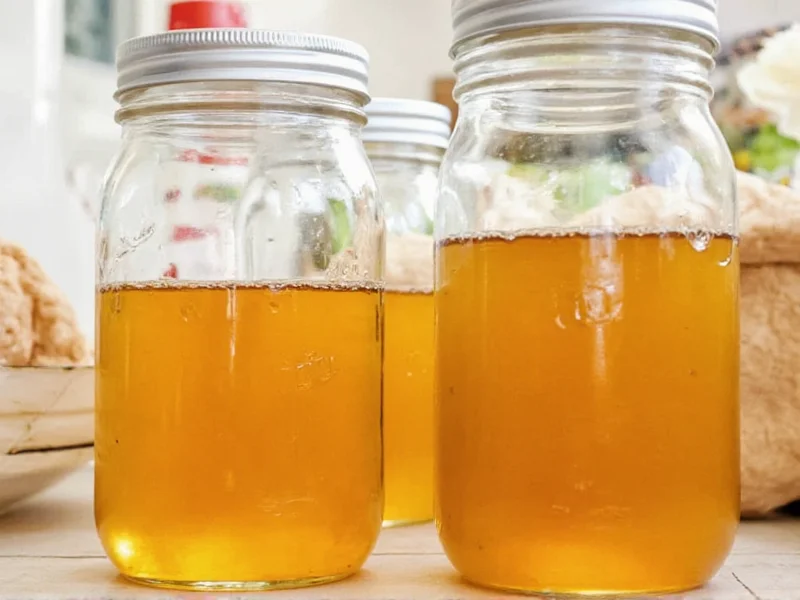
Stage 2: Acetic Acid Conversion (3-4 Weeks)
- Strain out solids through cheesecloth
- Return liquid to clean jar with "mother"
- Cover loosely, store in dark place
- Check weekly for vinegar smell
The benefits of homemade apple cider vinegar become evident here as the "mother" culture develops - that cloudy sediment contains live probiotics commercial brands remove.
Avoiding Common DIY Pitfalls
Most diy apple cider vinegar problems stem from contamination or temperature issues. Here's how to troubleshoot:
When to Worry vs. Normal
- White film: Harmless kahm yeast - skim off
- Black mold: Discard entire batch immediately
- No sour smell after 3 weeks: Add 1 tsp unpasteurized ACV as starter
- Overly sharp taste: Dilute with water for cleaning uses
Practical Uses Beyond the Kitchen
Your homemade apple cider vinegar applications extend far beyond salad dressings. The raw enzymes make it uniquely effective for:
- Natural cleaning: Mix 1:1 with water for streak-free surfaces
- Plant care: 1 tbsp per gallon prevents powdery mildew
- Hair rinse: 2 tbsp in 1 cup water boosts shine
- Weed killer: Combine with salt and soap for garden paths
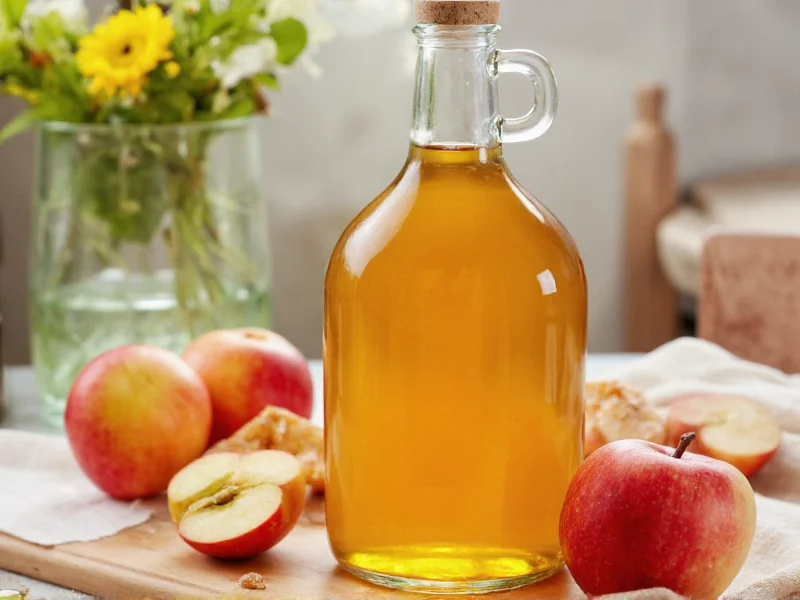
Storage and Shelf Life Secrets
Unlike commercial vinegar, your diy apple cider vinegar shelf life improves with age. Store in amber glass bottles away from light:
- Flavor peaks at 6 months but remains usable indefinitely
- Always leave 1" headspace to prevent pressure buildup
- Refrigeration slows but doesn't stop fermentation
For best results, keep 20% of each batch to inoculate your next creation - this maintains your unique bacterial culture.
Frequently Asked Questions
Can I use non-organic apples for diy apple cider vinegar?
Yes, but wash thoroughly with vinegar solution first. Non-organic apples often have wax and pesticides that inhibit fermentation. Organic is preferred for optimal bacterial growth and safety.
How do I know when my diy apple cider vinegar is ready?
It should smell sharply vinegary with no residual apple sweetness. Perform the "spoon test": dip a clean spoon, wait 30 seconds. If the vinegar smell lingers strongly, fermentation is complete. Taste should be pleasantly sour, not alcoholic.
Why does my diy apple cider vinegar have sediment?
This "mother" is completely normal and desirable! It's a cellulose mat formed by acetic acid bacteria. Commercial vinegar filters this out, but it contains beneficial probiotics. Simply shake gently before use or strain for clearer vinegar.
Can I speed up the diy apple cider vinegar process?
Not safely. Rushing fermentation below 3 weeks creates imbalanced acidity and risks harmful bacteria. The minimum 4-week timeline allows proper conversion from alcohol to acetic acid. Warmer temperatures (75-80°F) within safe range can slightly accelerate the process.




 浙公网安备
33010002000092号
浙公网安备
33010002000092号 浙B2-20120091-4