
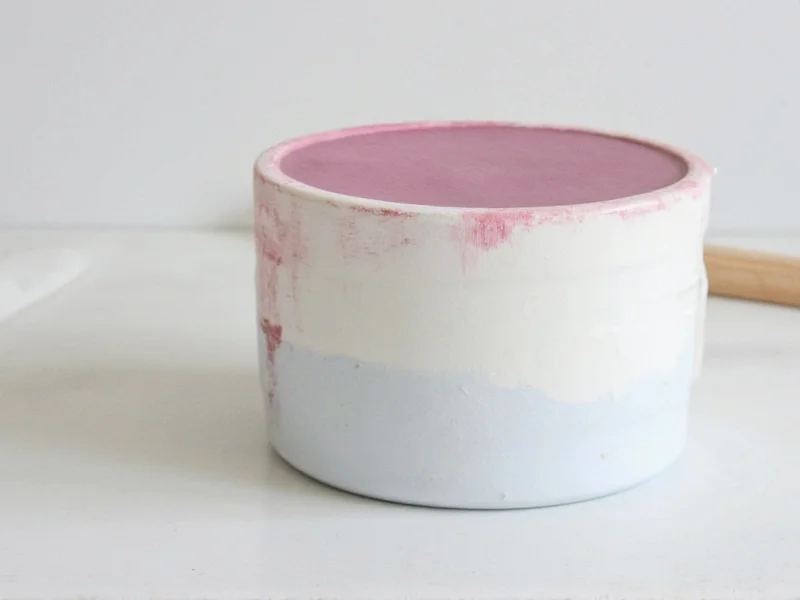
Why Make Your Own Chalk Paint?
Creating homemade chalk paint saves up to 70% compared to store-bought versions while giving you complete control over color and texture. Unlike commercial options that often contain proprietary binders, DIY chalk paint uses readily available ingredients that produce excellent adhesion on wood surfaces with minimal preparation.
Essential Ingredients and Tools
Before starting your diy chalk paint for furniture project, gather these basic supplies:
| Ingredient | Purpose | Substitution Options |
|---|---|---|
| Flat latex paint | Base color and binder | Leftover wall paint (avoid satin/semi-gloss) |
| Plaster of paris | Creates chalky texture | Calcium carbonate powder (less durable) |
| Water | Adjusts consistency | None - critical for proper mixing |
Step-by-Step Recipe
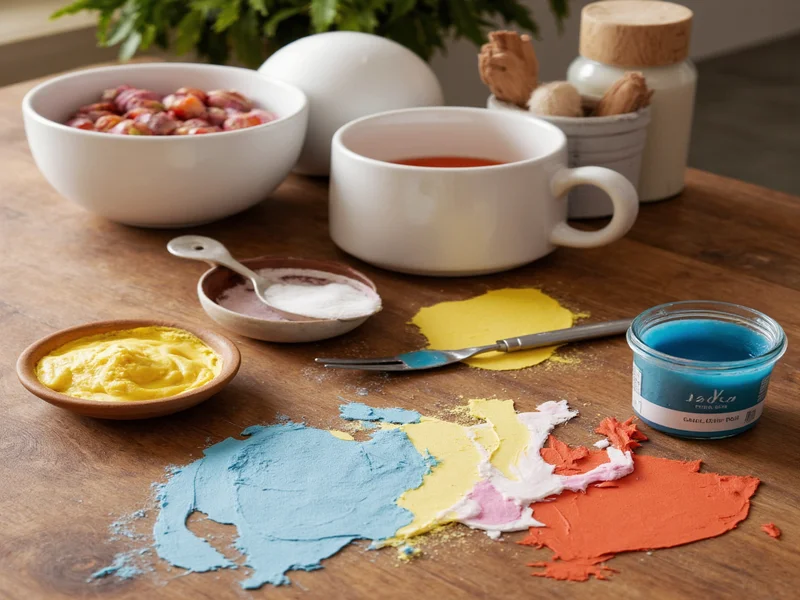
This foolproof method for how to make chalk paint at home works in under 10 minutes:
- Mix 1 cup of flat latex paint with 1/3 cup water in a container
- Gradually whisk in 1/3 cup plaster of paris until smooth
- Let mixture rest for 15 minutes to eliminate bubbles
- Stir again before application
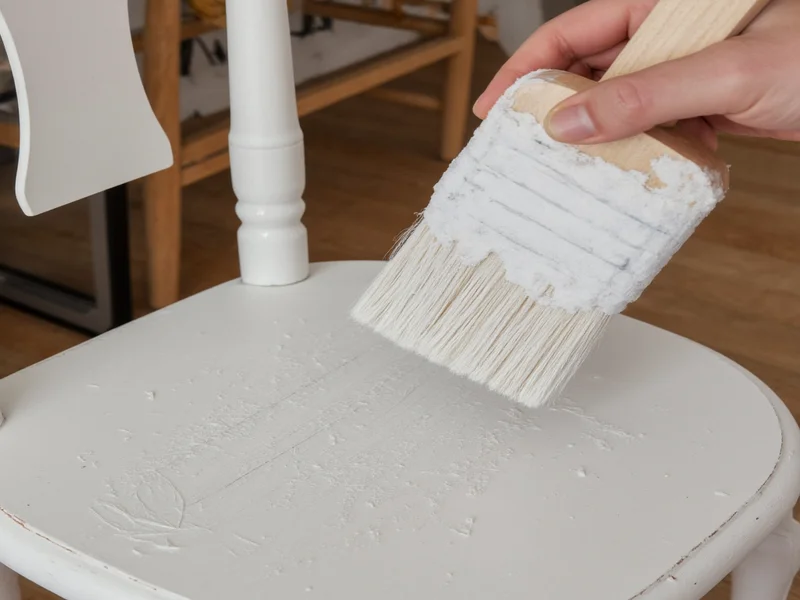
- Apply with brush using light, even strokes
Application Techniques for Professional Results
Unlike regular paint, chalk paint without wax requires specific application methods:
- Surface preparation: Lightly sand glossy surfaces but avoid extensive prep on raw wood
- Brush selection: Use a 1.5-2" natural bristle brush for optimal texture
- Drying time: Allow 2-3 hours between coats (faster than commercial chalk paint)
- Distressing technique: Sand edges lightly after second coat for vintage effect
Troubleshooting Common Issues
Even experienced crafters encounter these diy chalk paint problems occasionally:
| Issue | Cause | Solution |
|---|---|---|
| Lumpy texture | Plaster not fully dissolved | Strain through mesh sieve before use |
| Poor adhesion | Using semi-gloss base paint | Start over with flat paint base |
| Cracking | Applying too thickly | Thin with small water amounts |
Customization and Finishing Options
One major advantage of homemade chalk paint for furniture is customization:
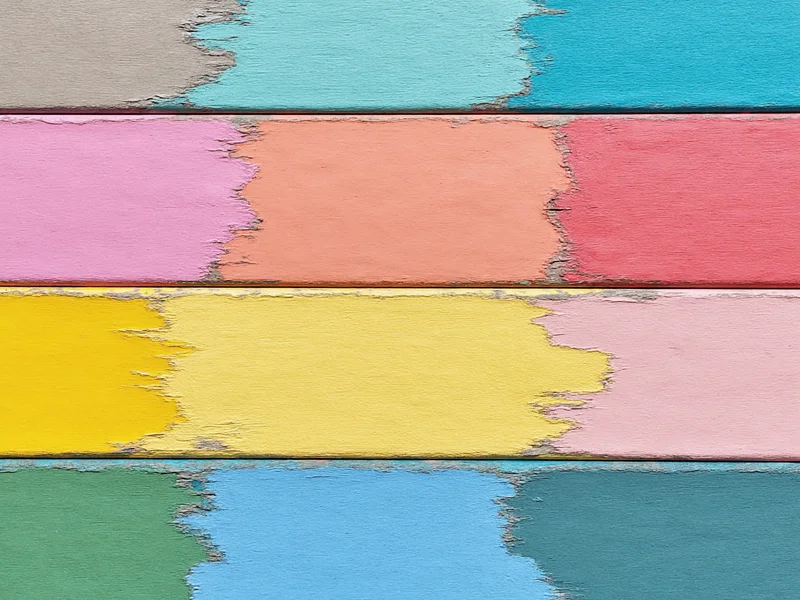
- Color mixing: Combine different flat paint colors before adding plaster
- Texture variation: Adjust plaster ratio (1/4 cup for smoother finish)
- Sealing options: Use hemp oil for food-safe surfaces or matte polyurethane for durability
- Special effects: Add 1 tsp of baking soda for extra tooth for distressing
Safety and Storage Guidelines
Follow these best practices for best diy chalk paint for beginners:
- Work in well-ventilated area when mixing plaster
- Wear mask when handling dry plaster powder
- Store unused mixture in airtight container for up to 2 weeks
- Label containers with date and color formula
- Never add preservatives that might affect adhesion
Frequently Asked Questions
Can I use this DIY chalk paint on outdoor furniture?
Yes, but requires proper sealing with exterior-grade polyurethane. The plaster base makes it more vulnerable to moisture than commercial chalk paint, so apply 3 thin coats of sealer and avoid direct ground contact.
How does homemade chalk paint compare to store-bought versions?
DIY chalk paint costs about $0.50 per cup versus $3-5 for commercial brands. It dries slightly faster and has a more matte finish, but may require an extra coat for full coverage. The biggest advantage is complete color customization using leftover wall paint.
Why does my DIY chalk paint feel gritty after drying?
This happens when plaster particles aren't fully dissolved. Always mix plaster into wet paint gradually while whisking vigorously. For smoother results, strain the mixture through a fine mesh sieve before application and consider reducing plaster ratio to 1/4 cup per cup of paint.
Can I make chalk paint without plaster of paris?
Yes, but results vary significantly. Baking soda creates a weaker bond (use 1/2 cup per cup of paint), while calcium carbonate powder works better but requires more precise measurements. Plaster of paris remains the most reliable option for durable, professional results in diy chalk paint recipe with plaster of paris applications.




 浙公网安备
33010002000092号
浙公网安备
33010002000092号 浙B2-20120091-4