
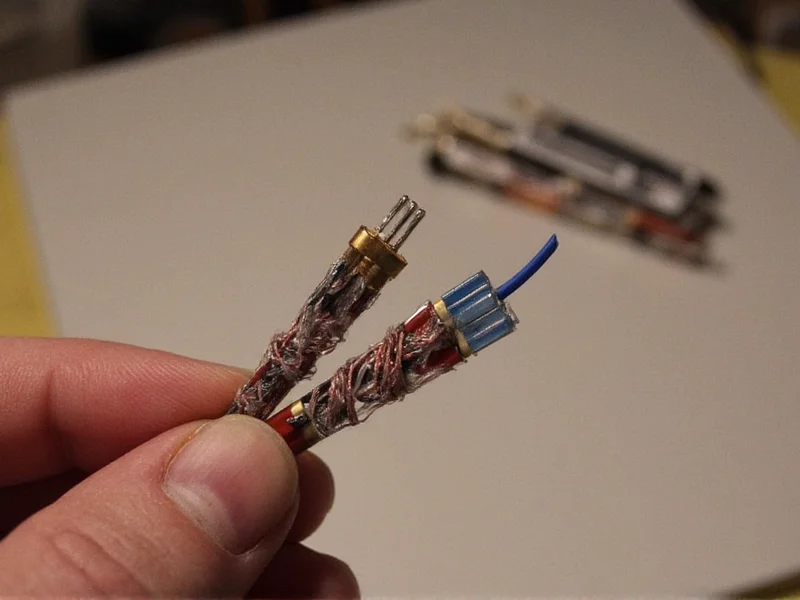
Why Craft Wiring Transforms Ordinary Projects
Unlike standard crafts, wiring adds dynamic elements like gentle illumination or kinetic motion. Olivia Chen, who repurposes electronic waste into award-winning jewelry, confirms: "The magic happens when discarded circuitry becomes storytelling tools—a flickering LED in a paper sculpture can evoke city lights at dusk." This isn't electrical engineering; we're using safe 3-5V systems perfect for home studios.
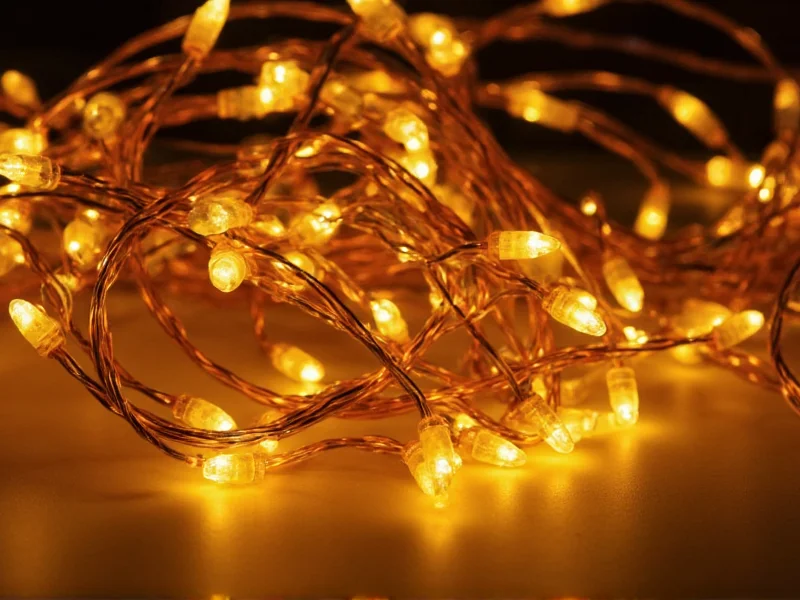
Your Essential Craft Wiring Toolkit
Forget complex schematics. Start with these accessible items:
| Item | Beginner Alternative | Project Application |
|---|---|---|
| 22-gauge stranded wire | Old USB cable strands | Flexible connections for moving parts |
| CR2032 coin batteries | Button cell from discarded toys | Powering single LEDs safely |
| Needle-nose pliers | Stiff paperclip + tweezers | Precision wire bending |
Critical Safety Protocol Checklist
Before touching any components, implement these non-negotiable practices:
- 🔒 Never exceed 5V – Household current (120V) causes fatal shocks; use only battery-powered circuits
- 🔒 Always insulate connections – Cover exposed wire with heat-shrink tubing or nail polish
- 🔒 Test polarity first – Connect LED legs to battery terminals briefly before permanent wiring
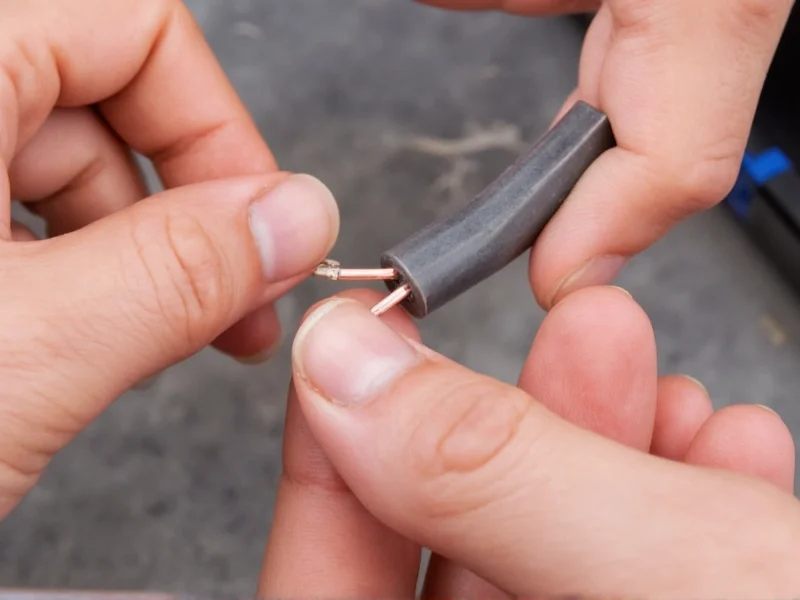
Three Foundational Wiring Techniques
1. The "No-Solder" LED Integration
Perfect for paper crafts and fabric projects:
- Twist stripped wire ends around LED legs
- Secure with conductive thread (cotton thread coated in graphite)
- Connect battery using magnetic clasps for easy on/off
Pro Tip: Embed components in wax paper pockets before gluing to prevent short circuits.
2. Kinetic Wire Sculpting
Create moving elements with minimal hardware:
- Use 18-gauge wire as both structure and conductor
- Wrap motor shafts with copper tape for contact points
- Balance weight distribution using recycled ball bearings
3. Weather-Resistant Outdoor Wiring
For garden installations:
- Seal connections in silicone-filled plastic capsules
- Use solar garden lights as power sources
- Route wires through hollow bamboo stalks
Five Beginner Projects to Spark Ideas
Twinkling Origami Lantern
Difficulty: ⭐⭐⭐⭐⭐ (1/5)
Embed micro-LEDs in folded paper using conductive paint traces. Lasts 40+ hours on one coin battery.
Recycled Circuitry Bookmark
Difficulty: ⭐⭐⭐⭐⭐ (2/5)
Transform broken headphone wires into illuminated page markers with fiber optics.
Interactive Shadow Box
Difficulty: ⭐⭐⭐⭐⭐ (3/5)
Wiring behind layered cutouts creates shifting light patterns when viewers move.
Troubleshooting Common Issues
When projects fail, check these frequent culprits:
- LED won't light: Reverse battery polarity or check for wire kinks breaking conductivity
- Flickering lights: Insufficient battery contact – sand connection points lightly
- Overheating components: Immediate shutdown required – indicates voltage mismatch
Advanced Inspiration: Beyond Basics
Once comfortable, explore these sustainable innovations:
- Harvesting vibration energy from moving parts to recharge batteries
- Using graphite-drawn circuits on watercolor paper
- Integrating e-waste components like speaker magnets for kinetic motion
Remember Olivia Chen's mantra: "Every discarded circuit board holds a hidden sculpture waiting for your vision."
Frequently Asked Questions
Can I use household wiring for craft projects?
No—standard electrical wiring (120V+) is extremely dangerous for crafts. Always use battery-powered circuits under 5V with current-limiting resistors.
How do I make wiring invisible in delicate crafts?
Weave wires through existing structural elements like paper layers or fabric seams. Clear conductive thread works well for textile projects.
Where can I safely source electronic components?
Use broken electronics from recycling centers (remove batteries first), or purchase certified low-voltage kits from educational suppliers like SparkFun.
What's the simplest project for absolute beginners?
Try the "coin battery bookmark": tape an LED across a CR2032 battery, wrap in decorative paper, and slide into your book. Takes 5 minutes with zero tools.





 浙公网安备
33010002000092号
浙公网安备
33010002000092号 浙B2-20120091-4