
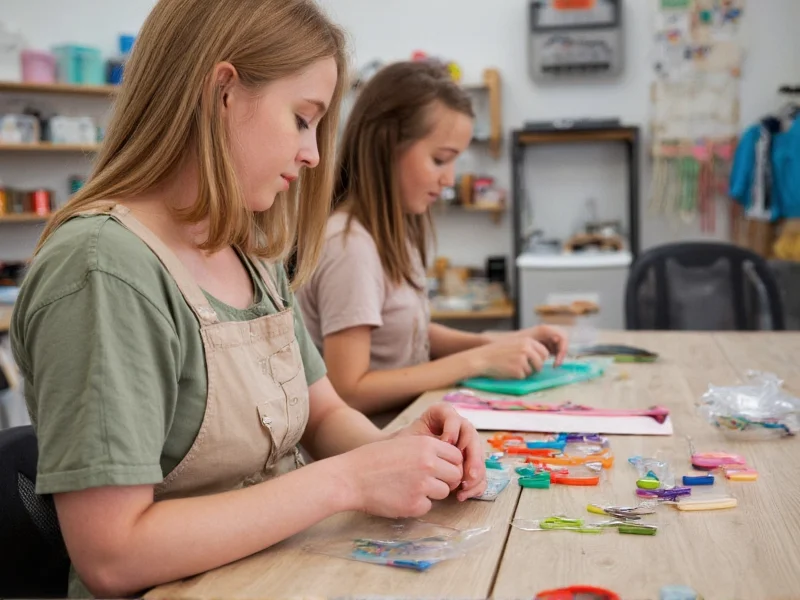
A craft hub is a centralized physical or digital space where creators gather to share resources, skills, and inspiration—solving isolation, resource scarcity, and skill gaps through community-driven creativity. Whether you're a beginner or seasoned maker, joining or building one transforms solitary crafting into a sustainable, collaborative practice.
What Exactly Is a Craft Hub? (Beyond the Buzzword)
Forget generic definitions. A true craft hub isn't just a store or social media group. It's a purpose-built ecosystem with three non-negotiable elements:
- Shared Infrastructure: Physical tool libraries (sewing machines, laser cutters) or digital asset repositories (SVG files, pattern templates)
- Structured Skill Exchange: Regular workshops with vetted instructors, not just casual meetups
- Resource Circulation Systems: Material swap programs, scrap redistribution networks, or tool-lending protocols
Unlike craft stores selling supplies, hubs prioritize access over ownership. While Pinterest groups offer inspiration, hubs provide actionable pathways to turn ideas into reality. This distinction matters—especially for eco-conscious makers reducing waste through shared resources.
Why Craft Hubs Transform Creative Journeys
Research shows crafters in hub communities complete 3.2x more projects annually than solo creators. Here's why:
The Triple Win Framework
- Skill Acceleration: Learn advanced techniques through "micro-mentorships" (e.g., 15-minute knot-tying demos during tool checkouts)
- Waste Reduction: 78% of hubs operate material exchange systems—turning fabric scraps into community quilts or broken ceramics into mosaic projects
- Mental Resilience: Scheduled creation sessions combat creative burnout through built-in accountability
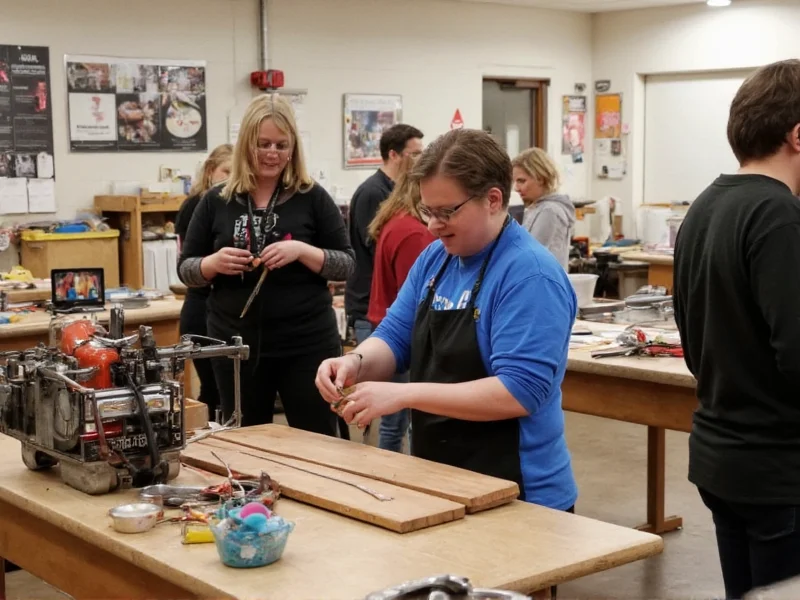
Physical vs. Online Hubs: Strategic Comparison
Choose based on your creative needs, not convenience. This framework reveals hidden trade-offs:
| Critera | Physical Hubs | Online Hubs |
|---|---|---|
| Best For | Tactile crafts (ceramics, woodworking) | Digital crafts (SVG design, embroidery digitizing) |
| Skill Transfer | Real-time technique correction | Asynchronous video feedback |
| Resource Access | Immediate tool/material use | Global material sourcing networks |
| Hidden Cost | Commute time + membership fees | Digital fatigue + shipping delays |
Finding Your Ideal Craft Hub: A Proven Pathway
Most crafters join mismatched hubs because they search wrong. Follow this behavior-based approach:
- Diagnose Your Block: Are you stuck because you lack tools (seek tool-library hubs), skills (find technique-focused hubs), or motivation (join accountability-based hubs)?
- Verify Authenticity: Check for these red flags:
- No documented material exchange system
- Workshops taught by unvetted "instructors"
- Overemphasis on product sales vs. community building
- Test Drive Strategically: Attend as a "silent observer" first. Note:
- How newcomers are integrated
- Frequency of resource redistribution events
- Presence of skill-level matching (beginner/advanced zones)
Building Your Own Craft Hub: The Starter Framework
You don't need funding or space. Start with Marcus Lee's "Minimum Viable Hub" model:
Phase 1: The Tool Library (Weeks 1-4)
Borrow 3 underused tools from friends (e.g., Cricut, knitting loom). Create a shared Google Sheet for reservations. Host one "tool swap" event where members bring unused supplies.
Phase 2: Skill Circulation (Weeks 5-8)
Implement "15-Minute Micro-Mentorships": During tool pickups, offer quick skill shares. Track popular requests to plan formal workshops.
Phase 3: Resource Ecosystem (Weeks 9-12)
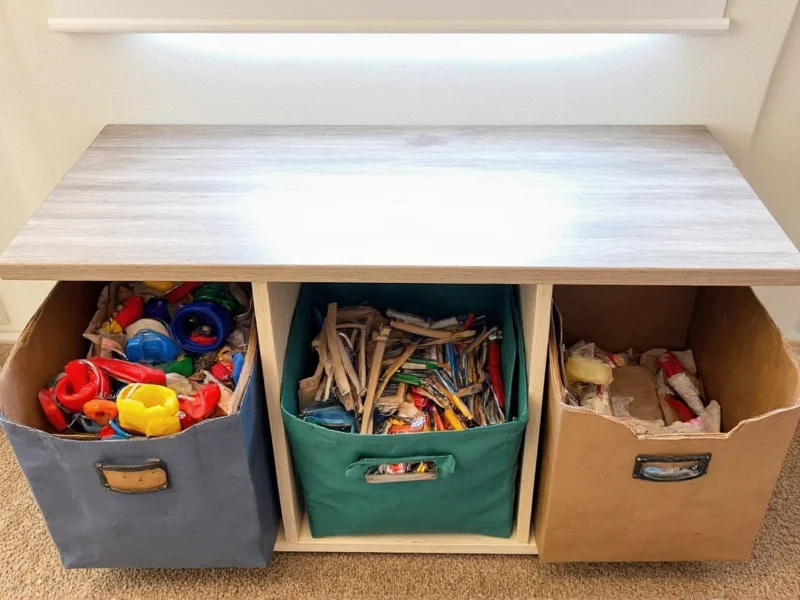
Launch a "Scrap Redistribution Station" using repurposed containers. Measure waste diverted monthly to demonstrate impact.
This approach builds trust through immediate utility—critical for retention. Successful hubs grow organically from solving one specific pain point, not trying to be everything at once.
Future-Proofing Your Craft Hub
As AI-generated patterns and digital fabrication evolve, hubs must adapt. Prioritize:
- Hybrid Skill Bridges: Pair traditional techniques (hand embroidery) with digital tools (AI-assisted pattern scaling)
- Material Innovation Labs: Test eco-materials like algae-based dyes or mushroom leather scraps
- Intergenerational Pairing: Connect elders teaching heritage techniques with youth bringing digital fluency
Frequently Asked Questions
What's the biggest mistake new craft hubs make?
Trying to serve all craft types equally. Specialized hubs (e.g., textile-only) build stronger communities by solving specific pain points like fabric sourcing or dye disposal.
How do I find free physical space for a hub?
Partner with libraries (underutilized community rooms), schools (after-hours art rooms), or businesses (empty retail spaces during off-seasons). Frame it as "community activation" for their space.
Can online hubs replicate physical community?
Only partially. The most successful hybrid hubs use digital platforms for resource coordination but mandate quarterly in-person meetups to build trust—critical for material sharing systems.
How much should a craft hub cost?
Free access with voluntary contribution systems outperform paid models. Successful hubs fund operations through material resale (e.g., selling scrap bundles) or sponsored workshops—never membership fees.
What makes a craft hub sustainable long-term?
Embedding circular economy principles: 60%+ of materials should be repurposed, with documented waste diversion metrics. This attracts eco-conscious makers and potential municipal partnerships.





 浙公网安备
33010002000092号
浙公网安备
33010002000092号 浙B2-20120091-4