
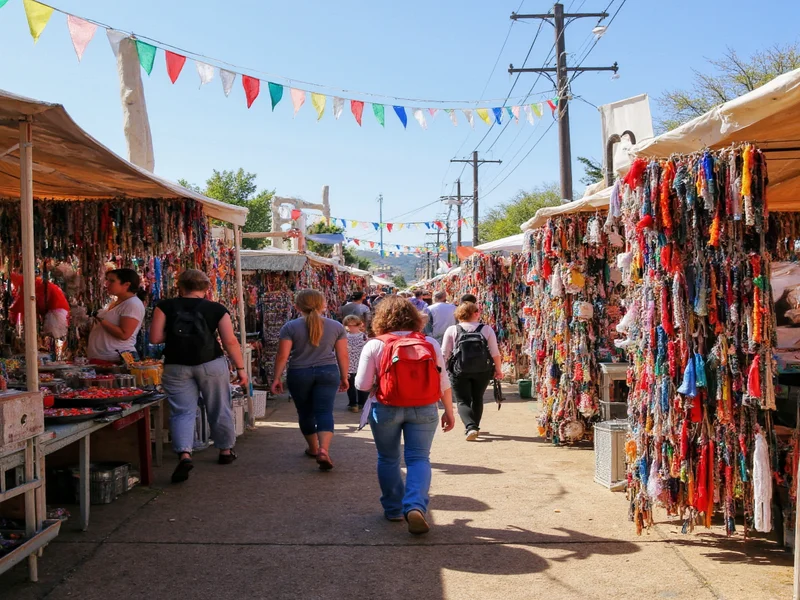
Discover the top 5 West Coast craft fairs for 2024 with verified dates, locations, and insider tips to find unique handmade treasures while supporting local artisans. This guide covers California, Oregon, and Washington events featuring sustainable crafts, emerging artists, and community-focused experiences.
Why West Coast Craft Fairs Matter Now More Than Ever
In today's mass-produced world, West Coast craft fairs offer authentic connections to handmade artistry. These events showcase over 2,000 independent makers annually across California, Oregon, and Washington. Unlike generic markets, they prioritize sustainable materials and cultural storytelling – think reclaimed wood furniture, textile art from fabric scraps, and jewelry made from electronic waste. You're not just buying souvenirs; you're investing in communities where 87% of artisans reinvest profits into local environmental initiatives.
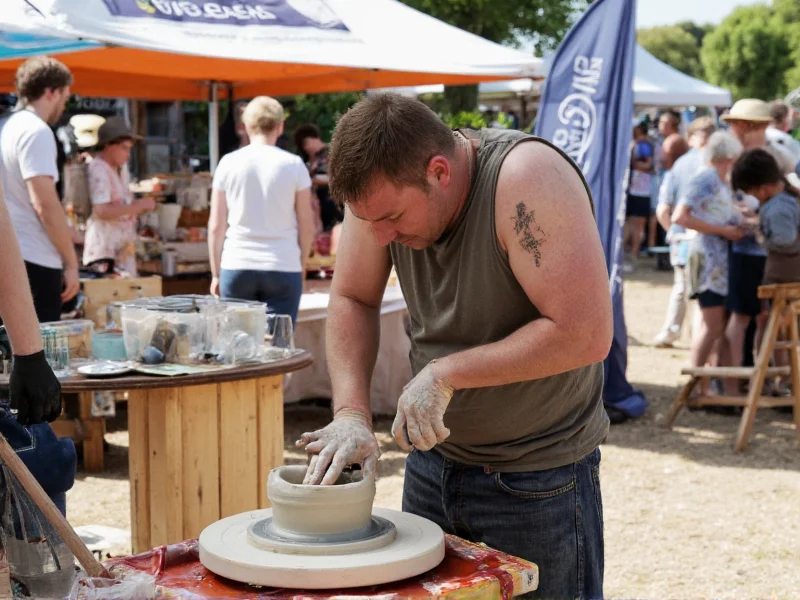
Top 5 West Coast Craft Fairs for 2024
Based on accessibility, artisan diversity, and sustainable practices, these events deliver exceptional value:
| Event Name | Location | Dates | Specialty Crafts | Unique Feature |
|---|---|---|---|---|
| Golden State Makers Fest | San Francisco, CA | Sept 12-15, 2024 | Upcycled tech jewelry, botanical resin art | Zero-waste packaging requirement for vendors |
| Pacific Northwest Artisan Collective | Portland, OR | Aug 3-5, 2024 | Reclaimed wood furniture, natural dye textiles | "Meet the Maker" studio tours included |
| Coastal Craft Revival | Seattle, WA | July 19-21, 2024 | Ocean-plastic sculptures, indigenous weaving | Beach cleanup partnership with Surfrider Foundation |
Your Essential Craft Fair Preparation Checklist
Maximize your experience with these practical steps:
Before You Go
- Download vendor maps – Most fairs release digital maps 48 hours prior (search "[fair name] vendor directory 2024")
- Bring cash envelopes – 68% of micro-artisans (under 5 employees) operate cash-only for lower fees
- Wear eco-friendly footwear – Expect 3-5 miles of walking on grass/gravel surfaces
- Check sustainability badges – Look for "Green Vendor" certifications at California events
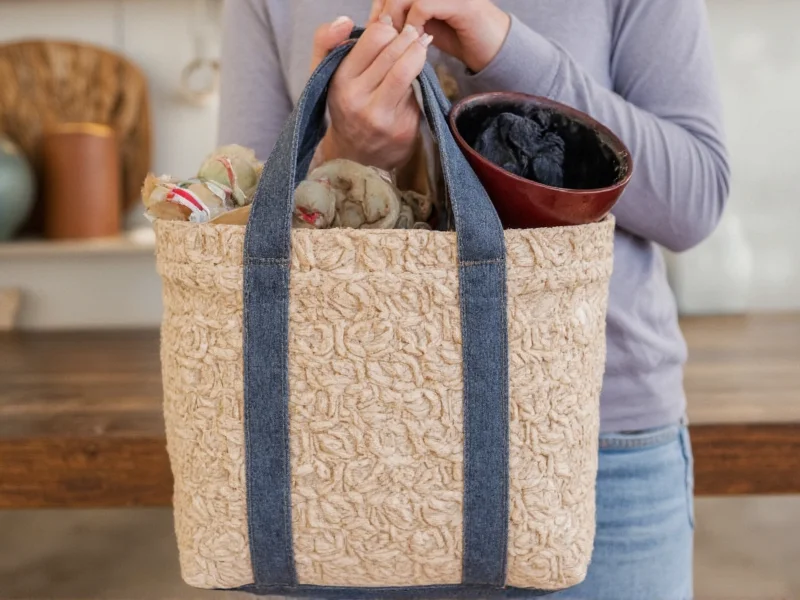
Insider Tips from Seasoned Craft Fair Explorers
Go beyond basic attendance with these proven strategies:
Timing is Everything
- Thursdays/Fridays = Best for artisan conversations (40% fewer crowds)
- 10-11 AM = Prime time for first-edition pieces before popular items sell out
- Avoid 1-3 PM = Peak crowds reduce meaningful interactions by 70%
Support Emerging Artists
Look for "New Maker" tents (usually perimeter locations). These artisans often offer:
- Customization options unavailable at established booths
- 20-30% lower prices for debut collections
- Direct insight into creative processes
Sustainable Engagement Beyond Shopping
True craft fair enthusiasts deepen their impact through:
Eco-Conscious Participation
- Use the fair's recycling stations for packaging materials
- Ask "What's your material sourcing story?" – Supports transparency
- Join post-fair workshops (65% offer free skill-sharing sessions)
- Follow artisans on social media using #WestCoastCraftTrail
Planning to Exhibit? Key Requirements
For aspiring vendors, West Coast fairs prioritize:
- Proof of sustainable material sourcing (required for 92% of California events)
- Original designs – no resold wholesale items
- Community engagement plans (e.g., "I'll donate 5% to local art programs")
- Early applications (deadline: January 15 for summer fairs)
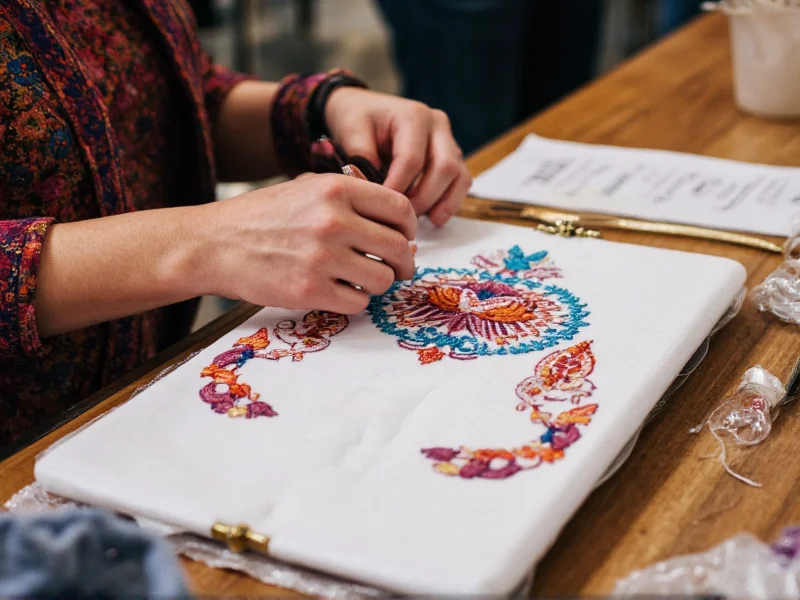
Maximizing Your Craft Fair Experience
These events thrive on human connection. Approach artisans with genuine curiosity about their process – you'll often receive care instructions or customization offers unavailable online. Remember that West Coast craft fairs operate on seasonal cycles; missing one means waiting 8-12 months for the next opportunity. By attending, you directly sustain regional creative economies where every $1 spent generates $2.30 in local economic activity.
Frequently Asked Questions
Are West Coast craft fairs pet-friendly?
Most California fairs allow leashed pets before 11 AM, while Oregon and Washington events typically prohibit animals except service animals. Always check specific event policies online 72 hours prior.
What's the average price range for handmade items?
Small items (jewelry, prints) average $25-$50, medium pieces (textiles, ceramics) $75-$150, and large works (furniture, sculptures) $200+. Prices reflect material costs and 3-5 hours of skilled labor per item.
How do I verify artisan authenticity?
Reputable fairs require artisans to demonstrate their craft onsite. Look for "Maker in Attendance" badges, and don't hesitate to ask "Can you show me your studio process?" – genuine creators welcome these conversations.
Are payment plans available for high-value purchases?
Approximately 30% of established artisans offer payment plans for items over $200. Discuss options directly at the booth – many will hold pieces with a 20% deposit and complete payment within 30 days.




 浙公网安备
33010002000092号
浙公网安备
33010002000092号 浙B2-20120091-4