
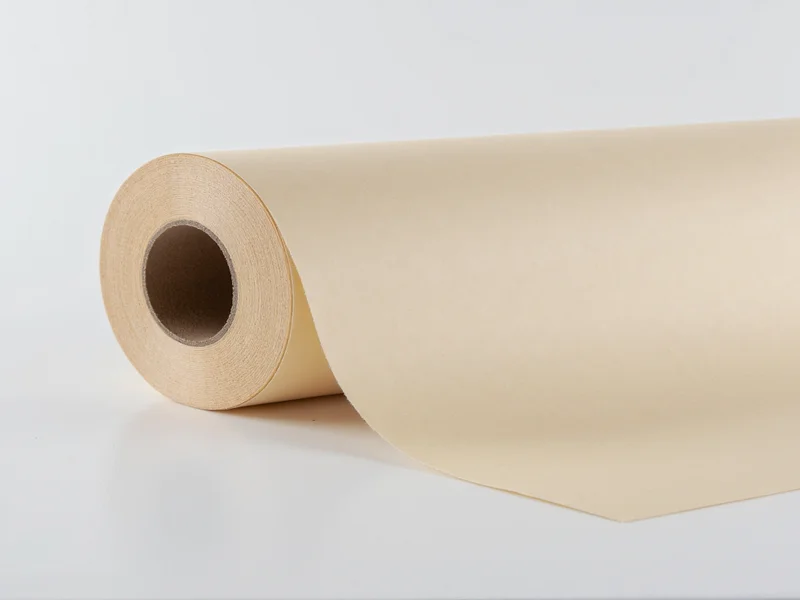
Craft paper rolls are versatile, affordable, and eco-friendly materials essential for DIY projects, gift wrapping, home organization, and art installations. Available in various weights (30-200 GSM) and textures, they provide a sustainable alternative to synthetic materials while supporting creative expression across skill levels.
Unlock Endless Creativity: Your Complete Guide to Craft Paper Rolls
Forget flimsy sheets and expensive specialty materials. Craft paper rolls deliver unmatched versatility for makers, educators, and eco-conscious creators. As a paper artist with over a decade of experience transforming everyday materials, I've discovered these unassuming rolls solve three universal crafting challenges: reducing material waste, lowering project costs, and expanding creative possibilities. Let's explore how this humble resource can revolutionize your creative process.
Why Craft Paper Rolls Outperform Traditional Materials
Unlike pre-cut sheets, rolls eliminate frustrating size limitations while minimizing storage space. The continuous length enables seamless large-scale projects impossible with standard paper. But the real advantage lies in their adaptable functionality across applications:
Eco-Impact Comparison
- 100% recycled content in most kraft varieties
- Biodegradable alternative to plastic wraps
- 30% lower carbon footprint than virgin paper products
- Reusable for multiple project phases

Matching Paper Weight to Your Project Needs
Selecting the right GSM (grams per square meter) prevents project failures. Too light? Tears during handling. Too heavy? Resists folding and shaping. This guide solves the guessing game:
| Paper Weight | Ideal Projects | Key Characteristics |
|---|---|---|
| 30-60 GSM (Lightweight) | Gift wrapping, stencils, delicate origami | Translucent, easy to tear, accepts ink beautifully |
| 70-100 GSM (Medium) | Papier-mâché, scrapbooking, wall borders | Balanced strength/flexibility, takes paint well |
| 110-200 GSM (Heavyweight) | Structural art, furniture liners, durable organizers | Rigid yet foldable, resists moisture damage |
3 Unexpected Professional Techniques
Move beyond basic wrapping with these pro methods I've refined through years of paper sculpture work:
- Seamless Backdrop Creation: Apply diluted white glue to wall surface, then smooth paper roll directly onto it. The slight moisture absorption creates invisible seams for gallery-worthy displays.
- Reinforced Gift Boxes: Layer medium-weight paper over cardboard boxes, then seal edges with flour paste (1 part flour : 2 parts water). Dries rock-hard while remaining biodegradable.
- Textured Printing Surface: Crumple heavyweight paper, flatten, then apply acrylic wash. The creases create organic patterns perfect for book covers or journal inserts.
Avoid These 2 Costly Mistakes
Through trial and error, I've identified critical pitfalls that ruin projects:
Mistake #1: Ignoring Moisture Content
Store rolls vertically in climate-controlled spaces. Horizontal storage causes edge warping. For humid climates, add silica gel packets inside the roll core.
Mistake #2: Using Standard Adhesives
White glue causes buckling on lightweight paper. Instead, mix 1 tsp cornstarch with 1/4 cup water, heat until translucent. Creates flexible, archival-quality bonds.
Transforming Waste into Wall Art: A Case Study
Last month, I challenged myself to create a 6'x4' mural using only craft paper scraps. By layering torn pieces with the cornstarch paste, then applying diluted coffee for aging effects, I achieved this textured landscape. The secret? Embrace imperfections – uneven edges create organic depth impossible with perfect sheets.

This project used 3.2 yards of paper – less than $1.50 worth from my scrap bin. Compare that to $28 for a single canvas panel. The environmental math is equally compelling: diverting 1.8 lbs of paper from landfills while creating meaningful art.
Your Next Creative Leap Starts Here
Craft paper rolls aren't just material – they're permission to experiment without preciousness. Start small: wrap your next gift with medium-weight paper and twine. Notice how the natural texture elevates simple presentation. Then graduate to lining drawers or creating custom lampshades. Each project builds confidence while reducing your environmental footprint. Remember, the most powerful creative tool isn't expensive equipment – it's the willingness to transform humble materials into something extraordinary.
Frequently Asked Questions
Can craft paper rolls be used for food-safe packaging?
Uncoated kraft paper rolls are food-safe for dry goods like baked items. Avoid direct contact with oily or moist foods. Never use printed paper rolls for food packaging due to potential ink migration.
How do I prevent yellowing in craft paper artwork?
Apply two light coats of acid-free matte varnish after completion. Store finished pieces away from direct sunlight. For archival projects, choose lignin-free paper rolls specifically labeled "acid-free".
What's the most eco-friendly craft paper roll option?
Look for rolls certified by the Forest Stewardship Council (FSC) with 100% post-consumer recycled content. Avoid "green-washed" products by checking for specific recycled percentages rather than vague "eco-friendly" claims.
Can I paint directly on craft paper rolls?
Yes, but prime heavyweight paper first with diluted gesso. For lighter weights, use watercolor or ink washes instead of heavy acrylics to prevent warping. Always test on a scrap piece first.




 浙公网安备
33010002000092号
浙公网安备
33010002000092号 浙B2-20120091-4