
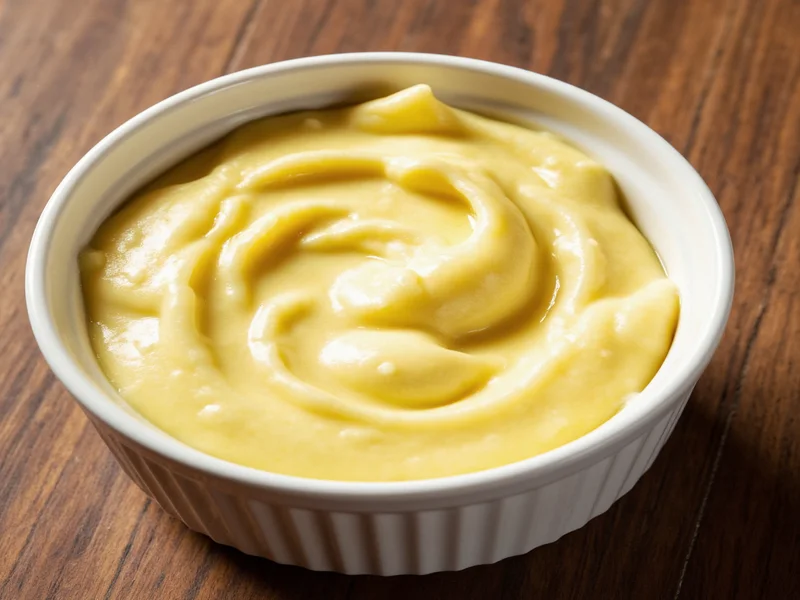
Make perfect creamy mayonnaise in 5 minutes with just 4 ingredients: egg yolk, oil, vinegar, and salt. This foolproof recipe requires no special equipment and yields 1 cup of preservative-free, customizable mayo every time.
Why Homemade Mayonnaise Beats Store-Bought
Commercial mayonnaise often contains preservatives, stabilizers, and hidden sugars. When you make homemade mayonnaise from scratch, you control every ingredient. The result? Richer flavor, creamier texture, and complete customization. Plus, it costs 70% less than premium store brands and takes mere minutes to prepare.
| Homemade vs Store-Bought Mayo | Homemade | Store-Bought |
|---|---|---|
| Prep Time | 5 minutes | 0 minutes |
| Cost per Cup | $0.65 | $2.50+ |
| Preservatives | None | Sodium benzoate, potassium sorbate |
| Customization | Endless variations | Limited options |
Essential Ingredients & Equipment
The magic of mayonnaise lies in emulsion science. These simple components create stable emulsions when handled correctly:
Core Ingredients
- Egg yolk (1 large): The emulsifier. Use fresh, room-temperature eggs.
- Neutral oil (1 cup): Light olive oil or avocado oil works best. Avoid extra virgin olive oil's strong flavor.
- Acid (1 tbsp): Fresh lemon juice or white vinegar for balance.
- Sea salt (1/2 tsp): Enhances flavor and stabilizes emulsion.
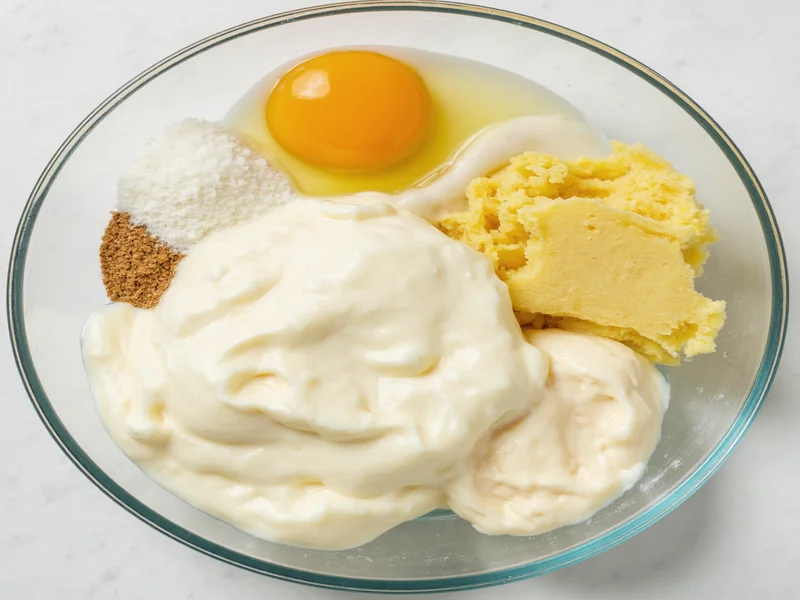
Equipment note: No blender needed! A whisk, fork, or even a jar with tight lid works. The hand-whisk method gives superior control for beginners.
Foolproof Step-by-Step Instructions
Follow this exact sequence to prevent mayonnaise breaking. Temperature control is critical - all ingredients must be room temperature.
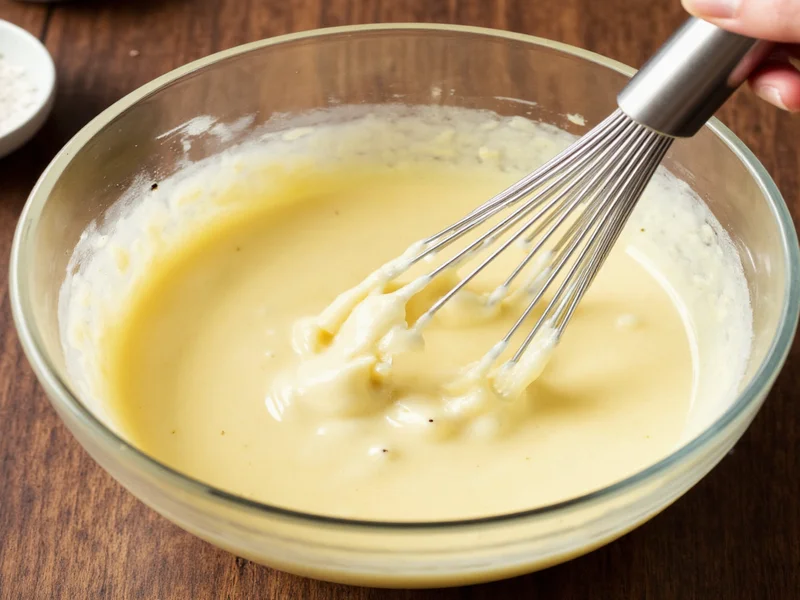
- Combine base: Whisk egg yolk, salt, and acid in bowl until pale yellow (30 seconds).
- Slow oil integration: Add 1 tsp oil while whisking vigorously. Wait 10 seconds.
- Build emulsion: Add remaining oil in thin, steady stream while whisking constantly. Never rush this step.
- Final texture: Stop when mixture thickens to ribbon consistency (about 2 minutes).
Troubleshooting Common Problems
Even experienced cooks face mayonnaise separation issues. Here's how to rescue failed batches:
If Your Mayo Breaks
- Thin, watery mixture: You added oil too fast. Start new base with 1 tsp water, then slowly whisk in broken mixture.
- Grainy texture: Temperature shock. Warm bowl slightly with hands and whisk vigorously.
- Too tangy: Balance with 1/2 tsp honey or maple syrup.
3 Creative Flavor Variations
Customize your easy homemade mayonnaise recipe with these chef-inspired twists:
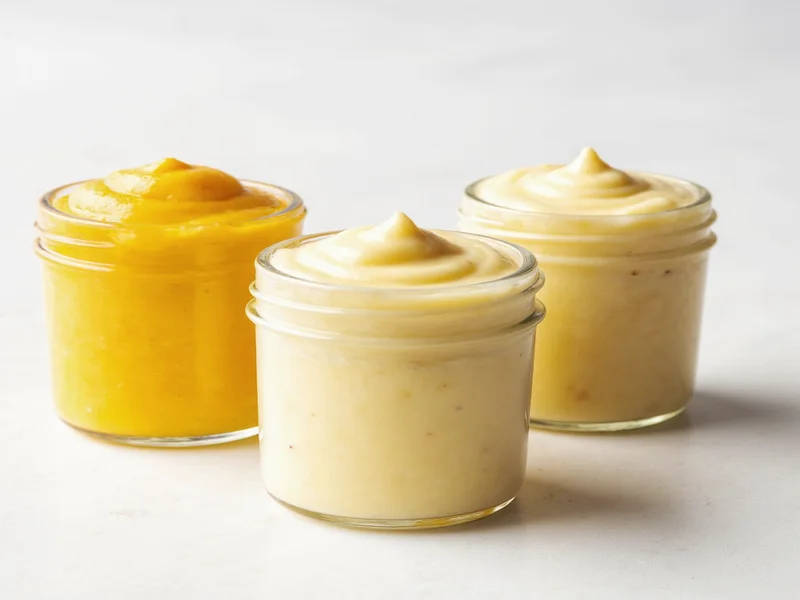
- Garlic Aioli: Blend in 1 minced garlic clove + 1/4 tsp smoked paprika after emulsion forms
- Herb Garden Mayo: Fold in 2 tbsp chopped dill, chives, and tarragon with 1 tsp lemon zest
- Chipotle Lime: Mix 1 tbsp adobo sauce + 1 tsp lime zest + 1/4 tsp cumin
Safety & Storage Guidelines
Addressing raw egg concerns in homemade mayonnaise:
- Use ultra-fresh eggs (check carton dates)
- Consume within 5 days when refrigerated
- For extended safety: Substitute 1 tbsp pasteurized egg product for yolk
Store in airtight container. The acid content prevents spoilage, but discard if smell changes.
Why This Method Works Every Time
Most homemade mayonnaise without machine recipes fail because they ignore emulsion physics. This technique leverages two key principles:
- Nucleation control: Starting with minimal oil creates stable micro-droplets
- Shear rate management: Hand-whisking provides optimal 120-180 rpm agitation (blenders often exceed 300 rpm, breaking emulsions)
Understanding these mechanics transforms mayonnaise from finicky to foolproof.
Can I make mayonnaise without raw eggs?
Yes. Substitute 1 tablespoon pasteurized liquid egg product for the yolk. Alternatively, use 2 tablespoons aquafaba (chickpea brine) for vegan mayo. Both yield stable emulsions when chilled for 1 hour before use.
Why did my mayonnaise turn out too thin?
This usually happens when oil is added too quickly. The emulsion can't form stable droplets. To fix: Start a new base with 1 teaspoon water, then slowly whisk in the broken mixture drop by drop. Ensure all ingredients are at room temperature before starting.
How long does homemade mayonnaise last?
Properly stored in an airtight container, it lasts 5 days in the refrigerator. The acid content (vinegar/lemon) acts as a natural preservative. Always use clean utensils to prevent contamination. Discard if you notice any sour smell or color change.
What's the best oil for homemade mayonnaise?
Light-tasting oils work best. Avocado oil provides neutral flavor with health benefits. For traditional taste, use 75% light olive oil blended with 25% grapeseed oil. Avoid extra virgin olive oil as its strong flavor dominates the delicate emulsion.
Final Tips for Mayonnaise Mastery
Mastering how to make mayonnaise without breaking builds foundational skills for all emulsified sauces. Remember: patience with oil integration is non-negotiable. Once you've perfected the base recipe, experiment with infused oils or acid variations. This easy homemade mayonnaise recipe isn't just condiment - it's your gateway to culinary confidence.





 浙公网安备
33010002000092号
浙公网安备
33010002000092号 浙B2-20120091-4