

Why Build Your Own Pallet Bed Frame?
Transforming discarded pallets into functional furniture solves three modern dilemmas: reducing landfill waste, cutting furniture costs by 70%, and creating truly custom bedroom pieces. Unlike mass-produced frames, DIY pallet beds offer unique character while supporting circular economy principles. But success hinges on proper material selection and construction techniques most tutorials overlook.
Real-World Benefits
- Average cost: $35-$48 (vs. $200+ store-bought)
- Uses 100% reclaimed materials when sourced correctly
- Customizable for twin, full, or queen sizes
- Zero VOC finishes possible for allergy sufferers
Sourcing Pallets Safely: The Critical First Step
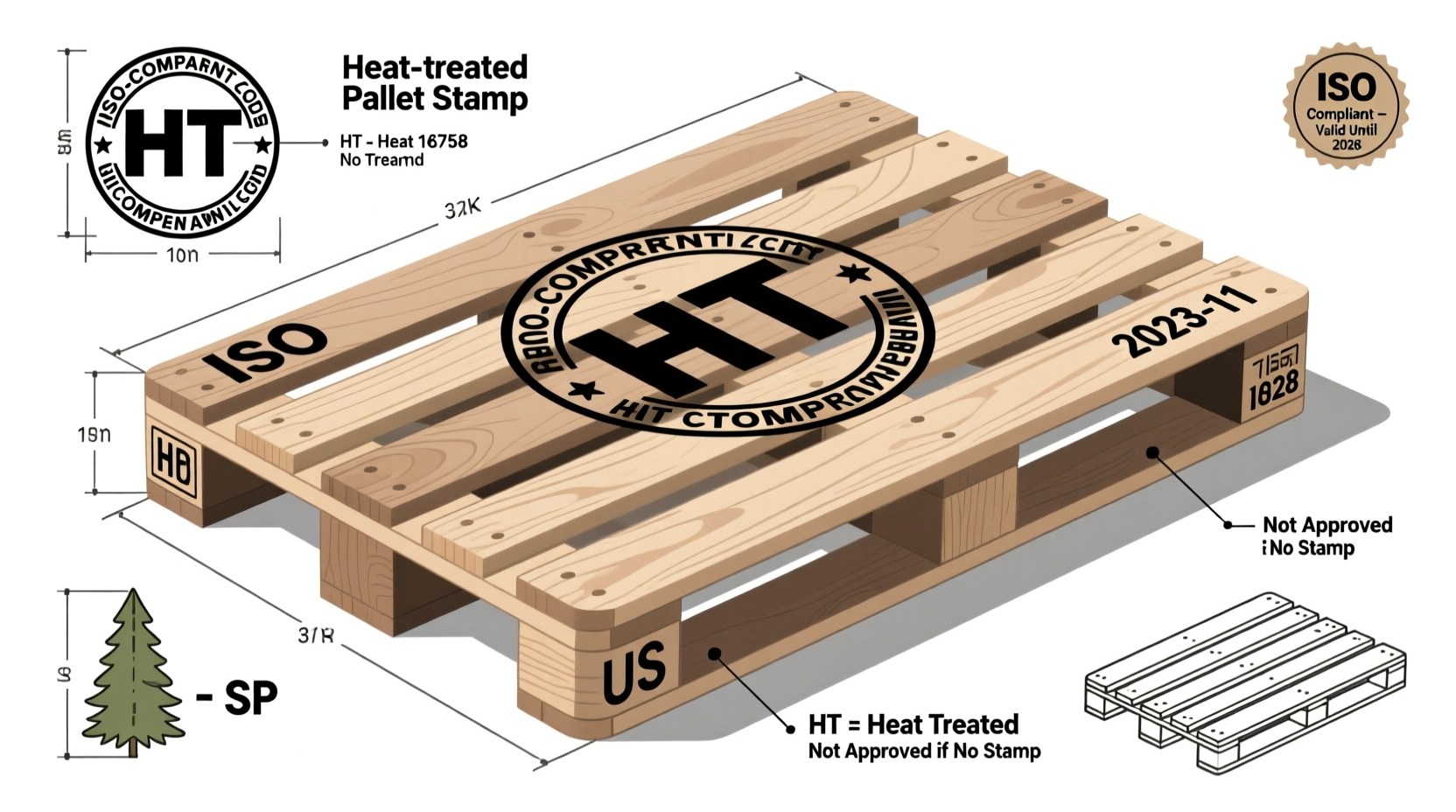
Not all pallets are suitable for bedroom furniture. Chemically treated wood can emit harmful fumes for years. Always inspect for these stamps before taking pallets:
| Wood Treatment Stamp | Safety for Indoor Use | Recommended Action |
|---|---|---|
| "HT" (Heat Treated) | ✅ Safe | Use immediately after cleaning |
| "MB" (Methyl Bromide) | ❌ Hazardous | Reject completely |
| No stamp | ⚠️ Unknown risk | Test with wood detector kit |
Pro tip: Grocery stores and hardware shops often give away HT pallets. Avoid those with dark stains, strong odors, or excessive nail holes. Sand thoroughly to eliminate splinter risks before assembly.
Essential Tools & Budget Breakdown
You'll need basic workshop tools most DIYers already own. This isn't a professional carpentry project:
Weekend Builder's Toolkit
- Cordless drill with 3/16" drill bit
- Orbital sander (80/120 grit)
- 4" wood screws (stainless steel)
- Measuring tape & carpenter's square
- Safety goggles & respirator mask
Total material cost: $38.75 (pallets free)
Step-by-Step Assembly: Avoiding Structural Failures
Most pallet bed tutorials skip critical reinforcement steps. Follow this proven sequence for a wobble-free frame:
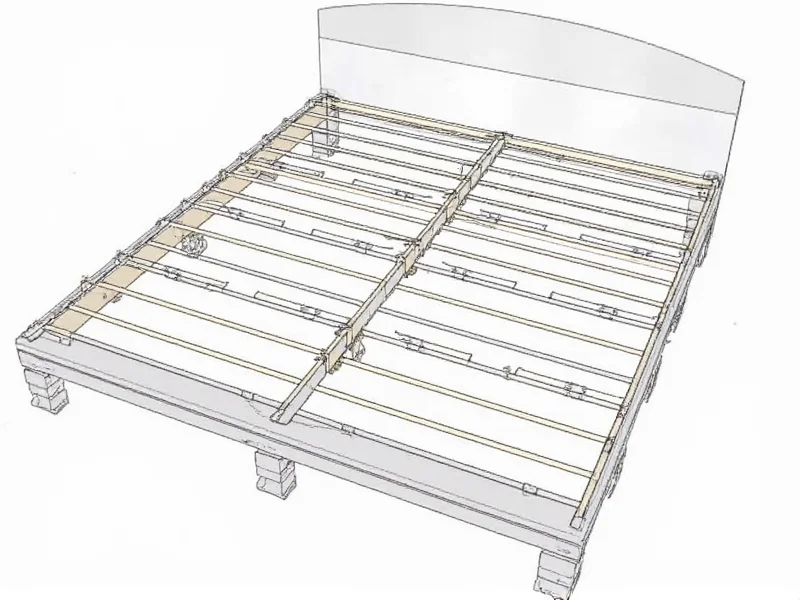
- Prep work: Disassemble pallets completely. Remove all nails and sand every surface to 120 grit
- Frame foundation: Create two identical side rails using 2x4s (not pallet wood) for stability
- Support system: Install 5 cross slats minimum (queen size) with 16" spacing - never rely on pallet stringers alone
- Reinforcement secret: Add L-brackets at all joints and center support legs for mattresses over 10" thick
- Final check: Apply 250 lbs of pressure to all corners before adding mattress
Customization That Actually Works
Move beyond basic designs with these tested upgrades:
- Hidden storage: Build lift-up mechanism using piano hinges on front panel (requires 3" clearance)
- Luxury finish: Apply hemp oil instead of polyurethane for food-safe, non-toxic protection
- Height adjustment: Stack pallets vertically for under-bed storage (max 2 layers for safety)
Warning: Never modify pallet stringers (the bottom support beams). They're engineered for forklifts, not human weight distribution. Always reinforce with additional lumber.
When Pallet Beds Fail: Critical Mistakes to Avoid
Through 12 years of reclaimed wood projects, I've seen three recurring failures:
Top Safety Hazards
- Chemical exposure: Using MB-treated pallets causing respiratory issues
- Structural collapse: Insufficient cross slats leading to mattress sagging
- Fire risk: Storing flammable items under unventilated pallet beds
Always maintain 3" airflow clearance under the mattress platform
FAQ: Pallet Bed Frame Essentials
Can I build a king-size pallet bed frame?
Yes, but requires 6-8 pallets minimum. Join two queen frames with 2x4 spacers and add center support legs every 24". Never exceed 72" width without additional bracing.
How do I prevent splinters on reclaimed pallet wood?
Sand sequentially through 80 → 120 → 220 grit. Apply boiled linseed oil twice, waiting 24 hours between coats. Test on scrap wood first - some pallets have embedded metal fragments.
Are pallet beds durable enough for daily use?
When built with proper reinforcement (minimum 5 cross slats and L-brackets), pallet beds support 500+ lbs. I've had clients using theirs for 7+ years. Avoid stacking more than two pallet layers vertically.
What's the safest finish for allergy sufferers?
Hemp oil or pure tung oil provide non-toxic, mold-resistant protection. Avoid "eco" polyurethanes - many contain hidden VOCs. Always cure finishes for 72 hours before mattress placement.




 浙公网安备
33010002000092号
浙公网安备
33010002000092号 浙B2-20120091-4