
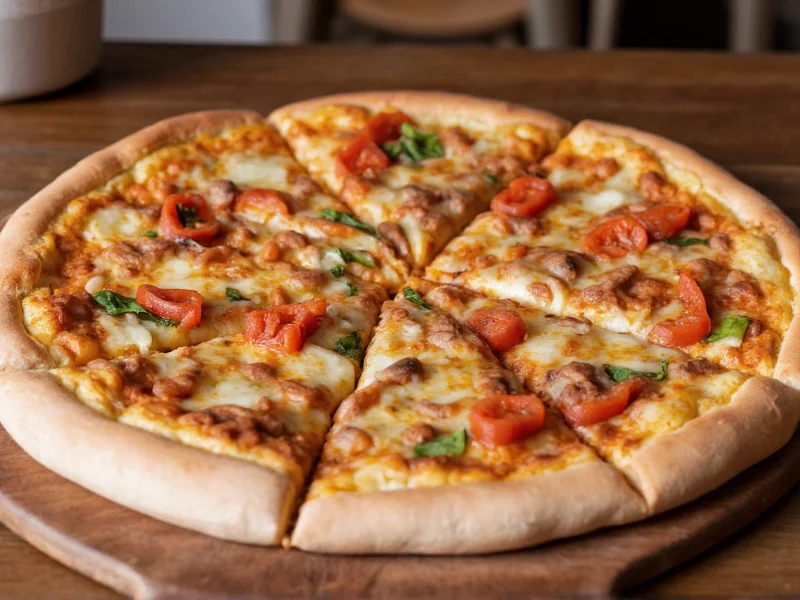
Oak craft pizza refers to artisanal pizza baked in wood-fired ovens using oak wood as the primary fuel source, creating a distinctive flavor profile with subtle smokiness, perfect char, and enhanced crust texture that distinguishes it from conventional pizza.
When you bite into a slice of authentic oak craft pizza, you're experiencing centuries of culinary tradition refined through modern craftsmanship. Unlike standard gas or electric oven pizza, oak craft pizza delivers a complex flavor profile that combines the natural sweetness of oak with the intense, rapid cooking of a wood-fired oven. This method creates what pizza connoisseurs call the "holy trinity" of perfect pizza: leopard-spotted crust, slightly smoky aroma, and ingredients that maintain their integrity without overcooking.
The Science Behind Oak's Superior Pizza Performance
Not all woods create the same pizza experience. Oak stands apart from other common pizza woods like maple, cherry, or hickory due to its unique properties that directly impact your pizza's final quality.
| Wood Type | Burning Temperature | Flavor Profile | Best For |
|---|---|---|---|
| Oak | 900-1000°F | Subtle smokiness, clean burn | All pizza styles, especially Neapolitan |
| Hickory | 950-1050°F | Strong smokiness, bacon-like notes | Meat-heavy pizzas |
| Maple | 800-900°F | Sweet, mild flavor | Vegetarian or white pizzas |
| Cherry | 850-950°F | Fruity, slightly sweet | Fruit-topped or dessert pizzas |
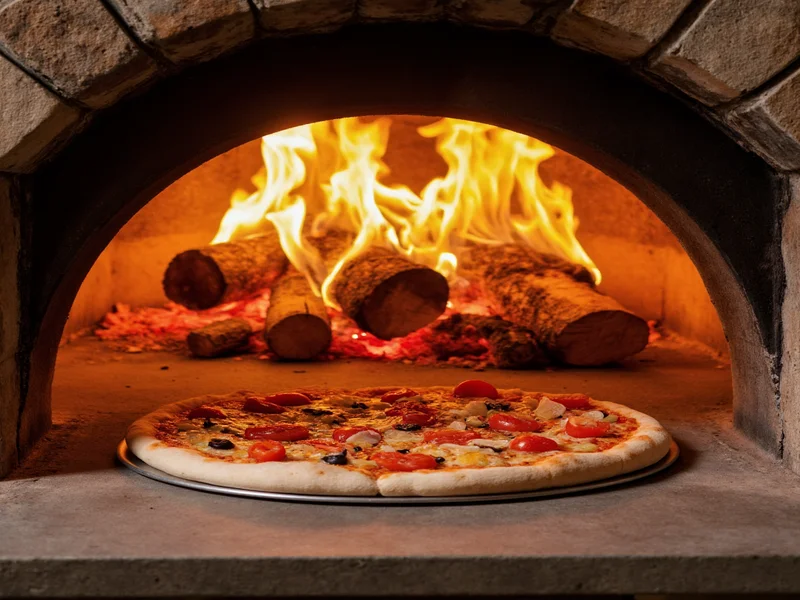
Oak's higher density compared to other woods creates a longer, more consistent burn that maintains the critical 800-900°F temperature range ideal for pizza cooking. This consistent heat allows for the perfect 60-90 second cook time that creates that coveted leopard-spotted crust without burning delicate toppings.
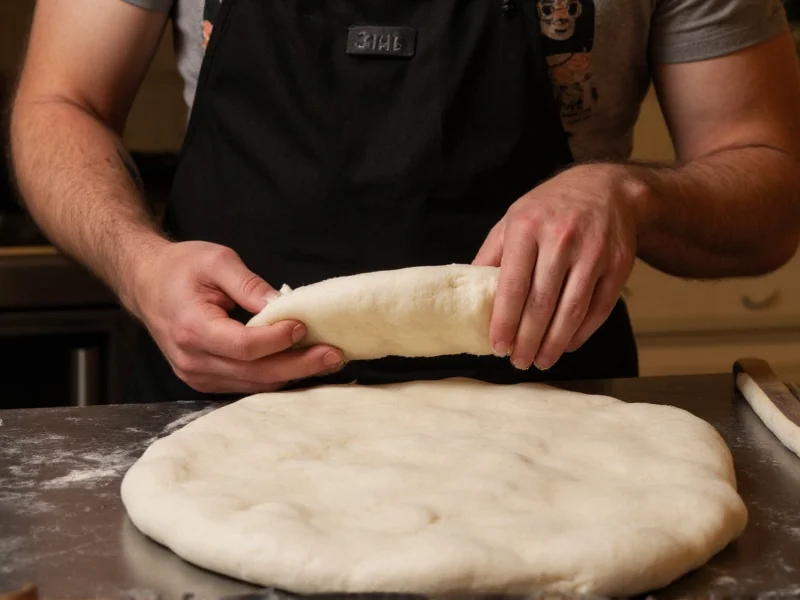
Why Oak Creates the Ultimate Pizza Experience
The magic of oak craft pizza happens through three distinct mechanisms that work together to elevate your pizza experience:
Thermal Dynamics
Oak burns at a higher temperature than most woods (reaching 900-1000°F), creating the intense radiant heat needed for proper oven spring. This rapid temperature transfer causes the dough to puff dramatically while developing complex Maillard reactions across the crust surface.
Flavor Infusion
As oak burns, it releases guaiacol and syringol compounds that impart a clean, subtle smokiness without overpowering the delicate balance of pizza ingredients. Unlike fruit woods that add distinct flavors, oak enhances rather than competes with your toppings.
Moisture Control
Oak's natural moisture content (typically 20-25% in properly seasoned wood) creates the ideal steam environment within the oven. This steam helps create that perfect chewy-yet-crisp crust texture that defines exceptional wood-fired pizza.
Identifying Authentic Oak Craft Pizza Establishments
With the growing popularity of wood-fired pizza, many restaurants claim to offer "oak-fired" pizza without adhering to true craft standards. Here's what to look for when seeking authentic oak craft pizza:
- Visible wood source - Authentic establishments proudly display their wood supply, often with information about the oak's origin
- Temperature transparency - They should know and share their oven's exact temperature (should be 800-900°F for pizza)
- Cooking time knowledge - Staff should confirm pizzas cook in 60-90 seconds, not several minutes
- Wood-specific menu notes - Look for details about the oak variety used (white oak vs. red oak creates subtle flavor differences)
- No gas assist - True wood-fired ovens don't use gas to maintain temperature; the wood alone provides consistent heat
When in doubt, ask specific questions: "What type of oak do you use?" and "How long does it take to season your wood before burning?" Authentic craft pizza makers will have detailed answers.
Bringing Oak Craft Pizza Home: Practical Considerations
While commercial pizza ovens cost thousands, you can create impressive oak craft pizza at home with the right approach. The key isn't expensive equipment but understanding the oak wood principles that make the difference.
Essential Home Setup
You don't need a $5,000 oven to experience oak craft pizza at home. Consider these accessible options:
- Backyard pizza oven kits - Many affordable options now reach 800°F with proper oak fueling
- Grill conversion - Transform a standard charcoal grill with a pizza stone and oak wood chunks
- Indoor alternative - Use a cast iron skillet with a small amount of oak smoke infusion for apartment dwellers
Oak Preparation Guide
Proper wood preparation makes or breaks your pizza experience:
- Seasoning - Use properly seasoned oak (dried for 12-18 months) with 20-25% moisture content
- Size - Cut logs to 12-16 inches long and 3-4 inches in diameter for consistent burning
- Storage - Keep wood elevated and covered but with airflow to maintain ideal moisture
- Ignition - Start with kindling, then add oak logs gradually to build consistent heat
- Temperature monitoring - Use an infrared thermometer to ensure 800-900°F oven floor temperature
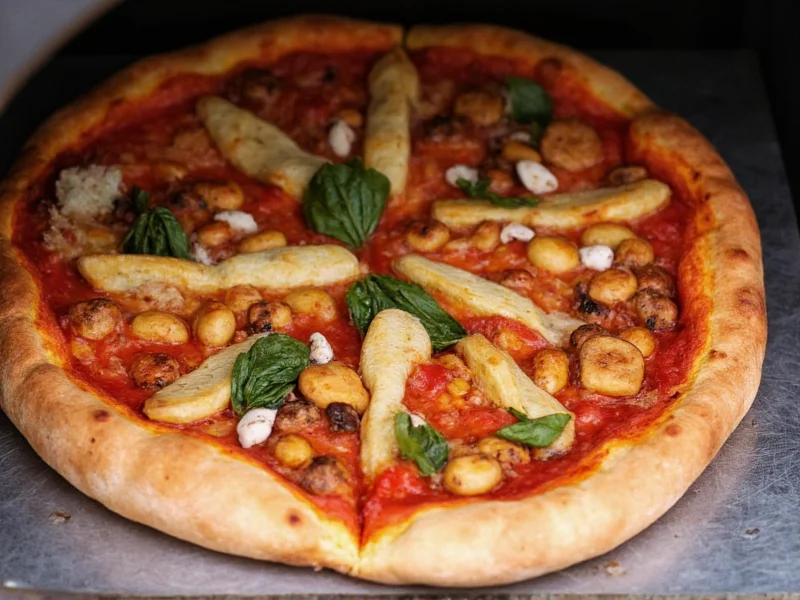
Common Misconceptions About Oak Craft Pizza
Several myths persist about oak-fired pizza that can lead to disappointing results:
- "More smoke equals better flavor" - Excessive smoke creates bitter compounds; ideal oak burning produces nearly invisible smoke
- "Any oak will do" - White oak (with tighter grain) burns slower and cleaner than red oak, creating superior pizza results
- "Wet wood creates better steam" - Too much moisture lowers oven temperature and creates acrid smoke; properly seasoned wood provides ideal steam
- "Thicker crust needs longer cooking" - Even thick-crust pizza should cook in 90 seconds or less in a properly heated oak oven
Understanding these nuances separates authentic oak craft pizza from mere wood-fired imitations. The craft lies not just in using oak, but in mastering its specific properties to enhance rather than dominate the pizza experience.
Frequently Asked Questions
What makes oak better for pizza than other woods?
Oak burns hotter and more consistently than most woods (reaching 900-1000°F), creating the perfect temperature for rapid pizza cooking. It releases clean-burning compounds that impart subtle smokiness without overpowering pizza flavors, unlike stronger woods like hickory. Oak's density provides longer burn times, maintaining consistent heat for proper oven spring and leopard spotting on the crust.
How long should oak wood season before using for pizza?
Properly seasoned oak requires 12-18 months of drying time to reach the ideal 20-25% moisture content. Freshly cut oak contains 30-50% moisture, which creates excessive smoke and lowers oven temperature. Seasoned oak burns cleaner, hotter, and produces the subtle steam environment needed for perfect pizza crust texture without bitter flavors.
Can I make authentic oak craft pizza without a dedicated pizza oven?
Yes, you can create impressive oak craft pizza with modified equipment. A charcoal grill with a pizza stone can reach 800°F when properly loaded with oak wood chunks. For best results, arrange the oak to one side, place the stone over indirect heat, and monitor temperature with an infrared thermometer. The key is achieving and maintaining 800-900°F oven floor temperature for the characteristic 60-90 second cook time.
Why does my oak-fired pizza taste bitter?
Bitter flavors typically indicate improper wood preparation. Using unseasoned oak (too much moisture), burning green wood, or creating excessive smoke all produce bitter compounds. Ensure your oak has seasoned 12-18 months, burns with nearly invisible smoke, and maintains 800-900°F. The fire should be established with glowing embers, not active flames, during pizza cooking for clean flavor development.




 浙公网安备
33010002000092号
浙公网安备
33010002000092号 浙B2-20120091-4