
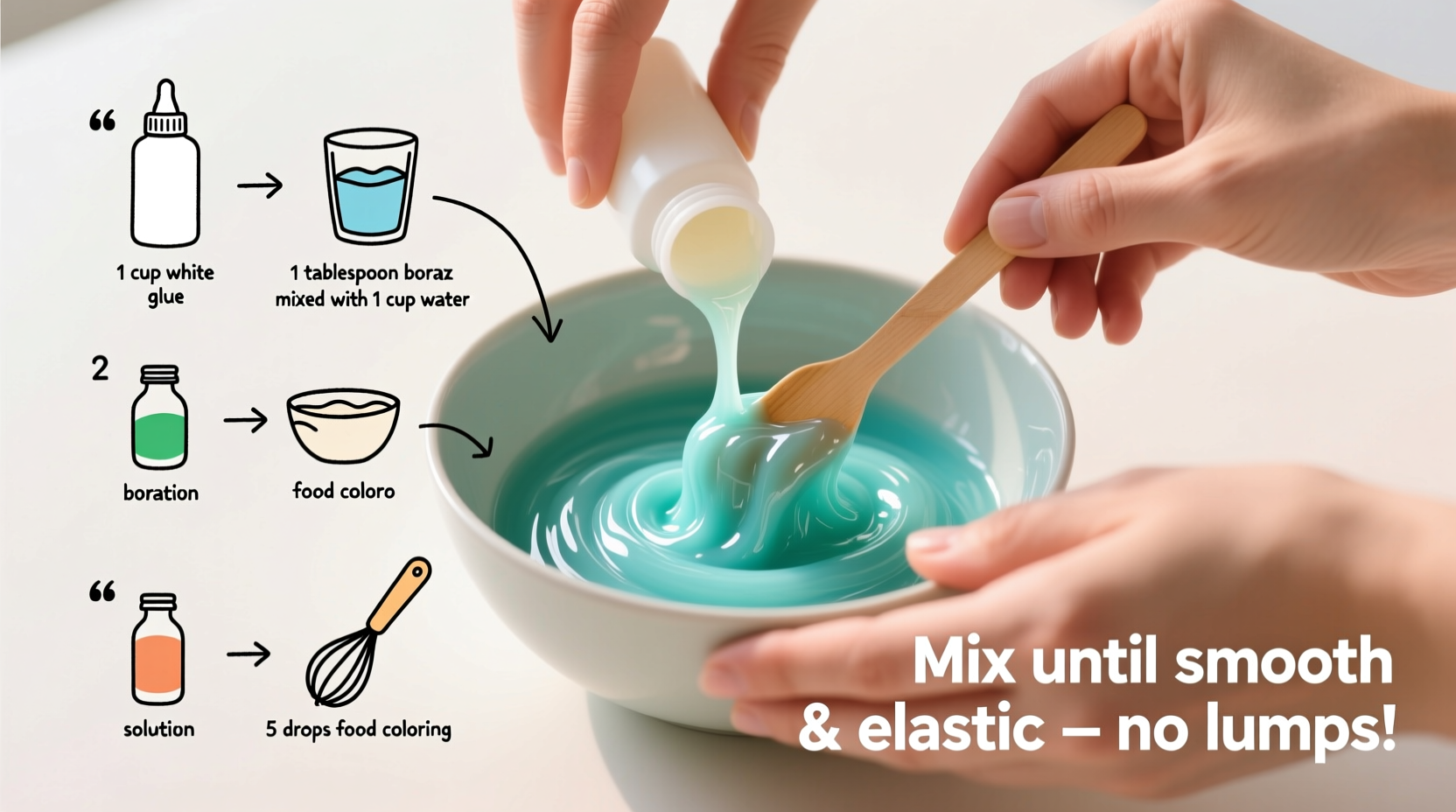
Why Homemade Slime Beats Store-Bought Every Time
Creating your own slime at home gives you complete control over ingredients, texture, and safety. Unlike commercial products filled with unknown chemicals, you can make non-toxic slime using common household items in under 15 minutes. Whether you're planning a kids' activity, sensory play for special needs learners, or just want a stress-relieving fidget toy, these proven methods deliver perfect results every time.
Essential Slime-Making Toolkit
Before you start, gather these basic supplies. Most items are already in your pantry or local store:
Core Ingredients Checklist
- White school glue (Elmer's type) or clear glue
- Liquid starch (like Sta-Flo) OR borax powder OR contact lens solution
- Baking soda
- Food coloring or glitter (optional)
- Measuring cups and spoons
- Mixing bowl and spoon
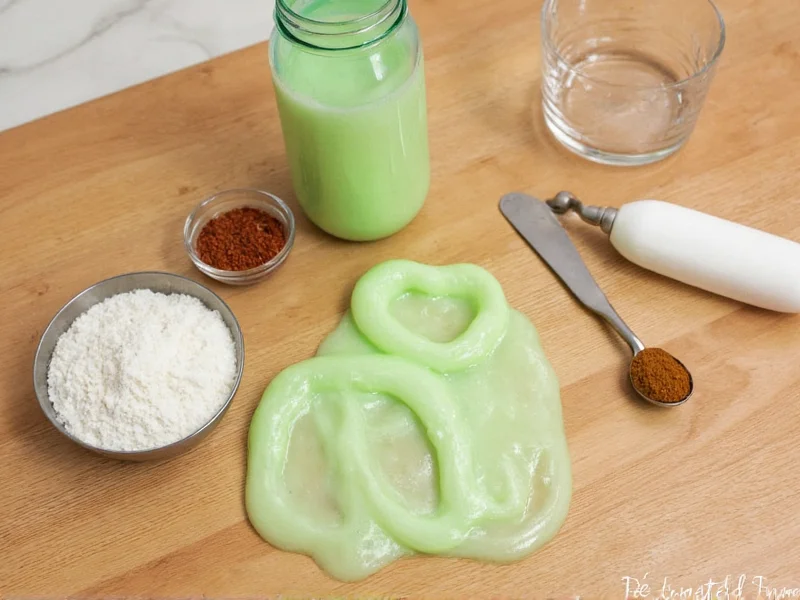
3 Foolproof Slime Recipes for Beginners
These tested methods eliminate common pitfalls like sticky residue or improper activation. Choose based on available ingredients:
| Recipe Type | Best For | Activation Time | Safety Level |
|---|---|---|---|
| Liquid Starch Method | Quick results, smooth texture | 3-5 minutes | ★ ★ ★ ★ ☆ |
| Borax Solution Method | Classic stretchy slime | 5-7 minutes | ★ ★ ★ ☆ ☆ |
| Contact Lens Solution Method | Sensitive skin, no borax | 7-10 minutes | ★ ★ ★ ★ ★ |
Liquid Starch Slime (Fastest Method)
- Mix ½ cup white glue with ¼ cup liquid starch in a bowl
- Add 3-5 drops food coloring (optional)
- Stir continuously until mixture pulls away from sides
- Knead for 5 minutes until smooth and non-sticky
- Store in airtight container when finished

Borax-Free Slime with Contact Lens Solution
This safer alternative works well for young children. The boric acid in solution activates the slime without handling borax powder:
- Combine ½ cup glue and ½ cup water in bowl
- Mix in ½ tsp baking soda until fully incorporated
- Slowly add 1-2 tbsp contact lens solution while stirring
- Continue mixing until slime forms a ball
- Knead for 5 minutes until desired consistency
Troubleshooting Common Slime Problems
Fix These Issues Immediately
- Too sticky? Add tiny amounts of activator (starch/solution) while kneading
- Won't stretch? Knead longer - up to 10 minutes for proper polymer formation
- Too stiff? Warm between palms or add water drop by drop
- Crumbly texture? You've over-activated - start over with less activator
Advanced Slime Variations to Try
Once you've mastered the basics, experiment with these popular upgrades:
Textured Slime Options
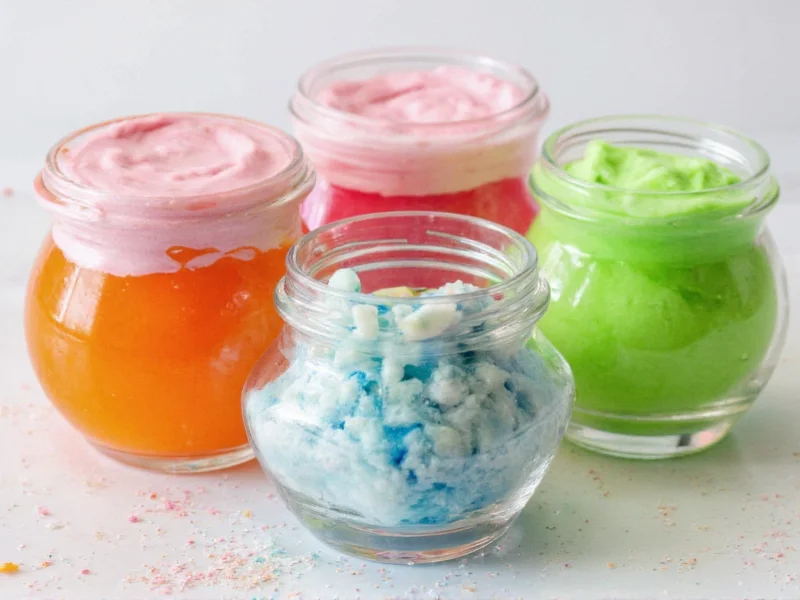
- Butter slime: Add 2 tbsp of oil (baby or coconut) during mixing
- Fluffy slime: Mix in ½ cup shaving cream before activation
- Crunchy slime: Stir in foam beads or polystyrene balls
- Glow-in-the-dark: Use UV-reactive paint instead of food coloring
Safety First: Essential Slime Guidelines
While making homemade slime is generally safe, follow these critical precautions:
- Always supervise children under 8 during preparation and play
- Perform a patch test for contact lens solution method
- Avoid ingestion - keep away from mouths and faces
- Wash hands thoroughly after playing
- Discard if mold appears (typically lasts 1-2 weeks)
Pro Tips from Slime-Making Experience
After testing dozens of recipes, I've discovered these game-changing insights:
- Cold temperatures improve stretchiness - try refrigerating before play
- Add glycerin (1 tsp) for extra glossy, smooth texture
- Use distilled water to prevent premature hardening
- Store in airtight containers with minimal air exposure
- Revive dried slime by kneading with a drop of lotion
Frequently Asked Questions
Can I make slime without borax or contact lens solution?
Yes, the liquid starch method creates excellent slime without borax. Simply mix equal parts white glue and liquid starch (like Sta-Flo), then knead until smooth. This produces a satisfyingly stretchy texture using only two ingredients plus optional colorants.
Why does my homemade slime keep breaking apart?
This usually happens when you've added too much activator. The polymer chains become over-crosslinked, making the slime brittle. Start over with less activator, adding it gradually while stirring. Proper kneading for 5-10 minutes also helps develop the right molecular structure for elasticity.
How can I make my slime less sticky without adding more activator?
Try kneading the slime longer - up to 10 minutes - as the physical action helps complete the chemical reaction. You can also refrigerate it for 15 minutes, as cooler temperatures improve polymer bonding. Adding a tiny amount of lotion (¼ tsp) while kneading often solves stickiness without altering the chemical balance.
What's the best way to store homemade slime?
Store slime in an airtight container with minimal air space. Glass jars with tight seals work better than plastic bags. Keep it in a cool, dark place away from direct sunlight. Properly stored, most slime lasts 1-2 weeks. If it dries out, revive it by kneading with a single drop of water or lotion.





 浙公网安备
33010002000092号
浙公网安备
33010002000092号 浙B2-20120091-4