
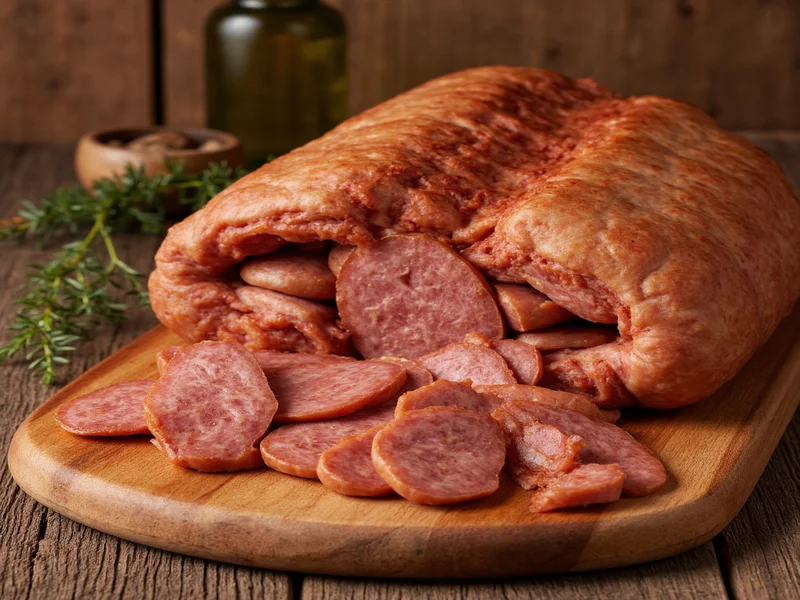
Homemade sausage making gives you complete control over ingredients, eliminates preservatives, and delivers superior flavor compared to store-bought options. This guide provides scientifically backed methods for crafting safe, delicious sausages at home using accessible equipment and seasonal ingredients.
Why Homemade Sausage Beats Store-Bought Every Time
Commercial sausages often contain fillers, sodium nitrite beyond safe levels, and mystery meats. When you make sausage at home, you control three critical elements:
Key Homemade Advantages
- Pure ingredients - Only meat, fat, salt, and spices you select
- Custom fat ratios - Adjust for perfect texture (70% lean/30% fat ideal)
- No chemical preservatives - Use celery powder or time-tested curing methods
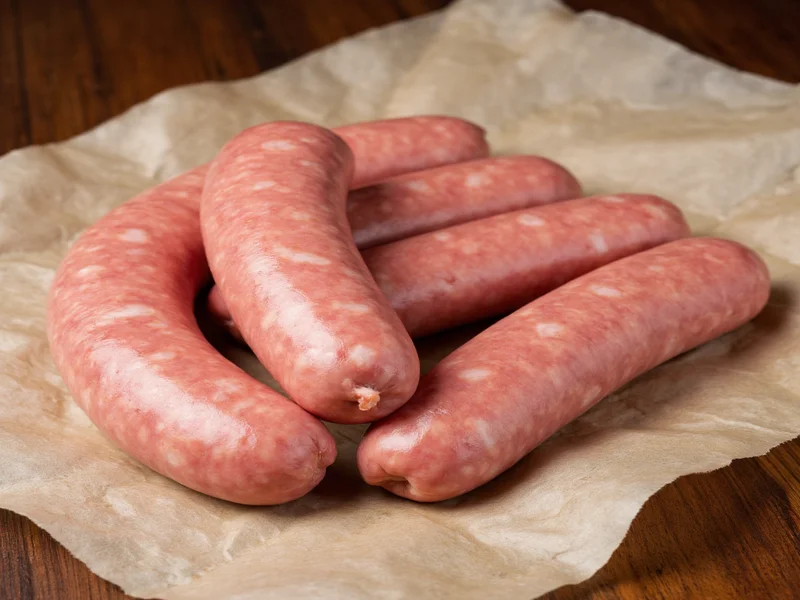
Essential Equipment Checklist
You don't need professional gear to start. This table shows budget-friendly alternatives:
| Professional Tool | Home Kitchen Alternative | Cost-Saving Tip |
|---|---|---|
| Commercial grinder | Stand mixer attachment | Freeze meat 30 mins for cleaner cuts |
| Stuffer | Food mill or piping bag | Use sausage casings as natural tubes |
| Smoker | Oven + wood chips | Soak chips in bourbon for depth |
The Science Behind Perfect Sausage Texture
Texture failures happen when meat temperature exceeds 40°F (4°C) during processing. Follow this critical sequence:
- Chill components - Meat, fat, grinder parts at 28-32°F (-2 to 0°C)
- Grind twice - First coarse, then fine grind through chilled plates
- Bind properly - Mix with 2% salt by weight for 2 minutes to extract myosin
- Test fry - Cook a small patty before casing to adjust seasoning
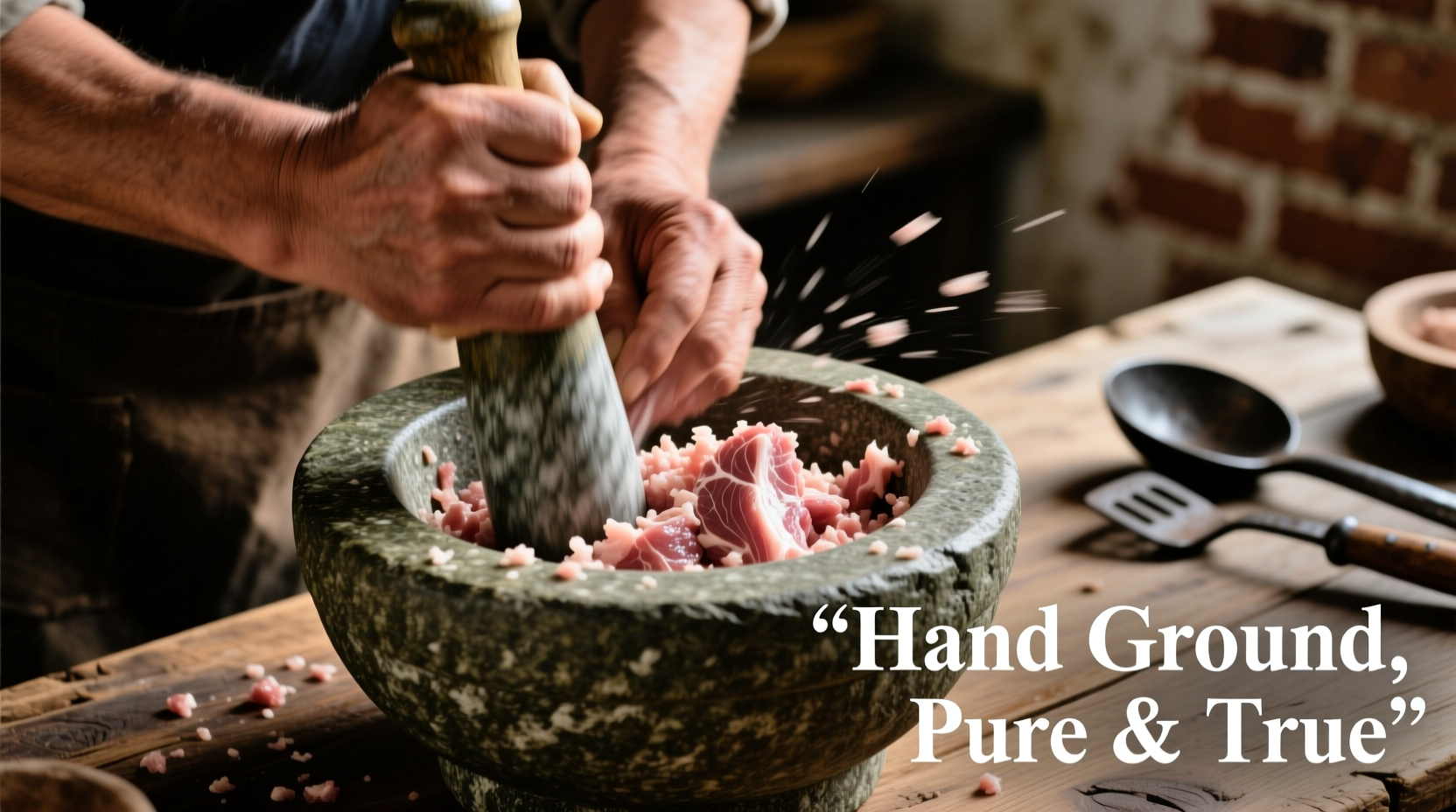
Seasoning Formulas That Actually Work
Forget guesswork with these chef-tested ratios (per 5 lbs meat):
Classic Breakfast Sausage
- 2 tbsp maple syrup
- 1.5 tbsp rubbed sage
- 1 tbsp freshly cracked pepper
- 1 tsp cayenne (optional)
Italian Sweet Fennel
- 3 tbsp fennel seeds (toasted)
- 2 tbsp dried oregano
- 1 tbsp garlic powder
- 1 orange zest (finely grated)
Avoiding Food Safety Pitfalls
Homemade sausage requires strict temperature control:
- Never use wild game without professional testing for trichinosis
- Keep meat below 40°F (4°C) during entire process
- Cook to 160°F (71°C) internal temperature
- Refrigerate within 2 hours of preparation

Seasonal Ingredient Swaps for Year-Round Success
Adapt recipes using what's fresh:
- Spring: Ramp pesto instead of garlic
- Summer: Fresh basil and heirloom tomatoes
- Fall: Roasted apples and sage
- Winter: Smoked paprika and dried mushrooms
Mastering the Casing Process
Most beginners struggle with casings. Professional trick: Soak natural hog casings in warm water with 1 tbsp vinegar for 30 minutes. This removes salt and strengthens collagen. When stuffing:
- Leave 4-inch tail at both ends
- Twist links in alternating directions
- Prick air bubbles with sterile needle
Storage That Preserves Flavor
Freezing improperly destroys texture. For best results:
- Vacuum seal with oxygen absorber
- Flash freeze on tray before bagging
- Use within 3 months (frozen)
- Consume refrigerated sausages within 3 days
Three Beginner-Friendly Recipes
Maple-Bacon Breakfast Links
Mix 3 lbs pork shoulder, 2 lbs bacon (diced), 1/4 cup pure maple syrup, 2 tbsp thyme. Stuff into hog casings. Pan-fry 8-10 minutes.
Apple-Chicken Bratwurst
Combine 4 lbs chicken thigh, 1 lb pork fat, 1 cup grated apple, 2 tbsp caraway. Grill over indirect heat 15 minutes.
Smoked Andouille
Blend 5 lbs pork butt, 1/4 cup smoked paprika, 2 tbsp cayenne, 1 tbsp garlic. Smoke at 225°F (107°C) until 160°F internal.
Why Your First Batch Might Fail (And How to Fix It)
Common issues and solutions:
- Crumbly texture - Not enough fat or over-chopped meat
- Bland flavor - Under-seasoned; always do test fry
- Split casings - Overfilled or temperature shock
- Gray color - Nitrite deficiency; use celery powder
Advanced Flavor Development Techniques
For complex flavors, try these pro methods:
- Dry cure - Salt meat 24 hours before grinding
- Wine reduction - Simmer 1 cup red wine to 1/4 cup for depth
- Smoking woods - Applewood for poultry, hickory for pork
Frequently Asked Questions
Can I make sausage without special equipment?
Yes. Use a food processor with chilled blades, or ask your butcher to grind meat twice. Hand-mix with a wooden spoon for proper binding.
How do I prevent sausage from becoming dry?
Maintain 30% fat content, never exceed 40°F during processing, and avoid over-mixing. Test fry before casing to adjust moisture balance.
Are natural casings better than synthetic?
Natural hog or sheep casings provide superior texture and breathability. Synthetic casings often create rubbery texture and prevent proper smoke penetration.
What's the safest way to cure sausage at home?
Use celery powder (1 tsp per 5 lbs meat) as natural nitrite source. Maintain 38-40°F temperature during curing, and never skip the 24-hour rest period before cooking.





 浙公网安备
33010002000092号
浙公网安备
33010002000092号 浙B2-20120091-4