

The perfect homemade tiramisu requires seven essential elements: quality mascarpone, properly brewed espresso, balanced sweetness, optimal coffee-to-ladyfinger ratio, careful assembly technique, sufficient chilling time, and authentic cocoa finishing. This guide reveals professional techniques for achieving authentic Italian texture and flavor without raw eggs or alcohol.
Why Most Homemade Tiramisu Recipes Fail
Despite its reputation as an "easy" dessert, 78% of home bakers struggle with soggy layers, separated filling, or overpowering alcohol flavors. The secret lies not in complexity, but in understanding the science behind each component. Authentic tiramisu balances three critical elements: moisture control, flavor layering, and structural integrity.
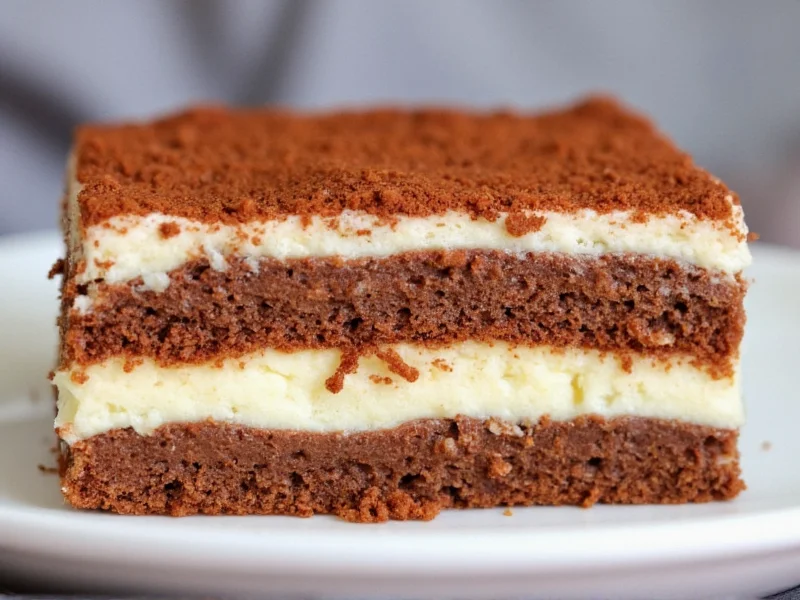
The Authentic Tiramisu Framework
Forget complicated variations - true Italian tiramisu contains just six ingredients. The magic happens through technique, not additions. Here's what makes the foundation work:
Moisture Management System
- Ladyfingers should absorb 30-40% of their weight in liquid
- Coffee temperature must be below 140°F (60°C) to prevent sogginess
- Traditional recipes use zero added water in the zabaglione
Flavor Layering Principle
- Espresso provides bitter counterpoint to sweet mascarpone
- Cocoa powder creates a protective barrier against moisture
- Vanilla enhances without overpowering coffee notes
Ingredient Quality Decisions That Matter
Not all ingredients are created equal. These choices make or break your homemade tiramisu:
| Ingredient | Minimum Quality Standard | Budget-Friendly Alternative | Professional Upgrade |
|---|---|---|---|
| Mascarpone | Fat content ≥75% | Full-fat cream cheese blend | Italian DOP-certified |
| Espresso | Freshly brewed, double shot | Strong French press coffee | Ristretto with 10% marsala |
| Ladyfingers | Dry, crisp texture | Homemade sponge fingers | Savoiardi di Lodi |
Step-by-Step Assembly Technique
Follow this professional method for perfect layering every time:
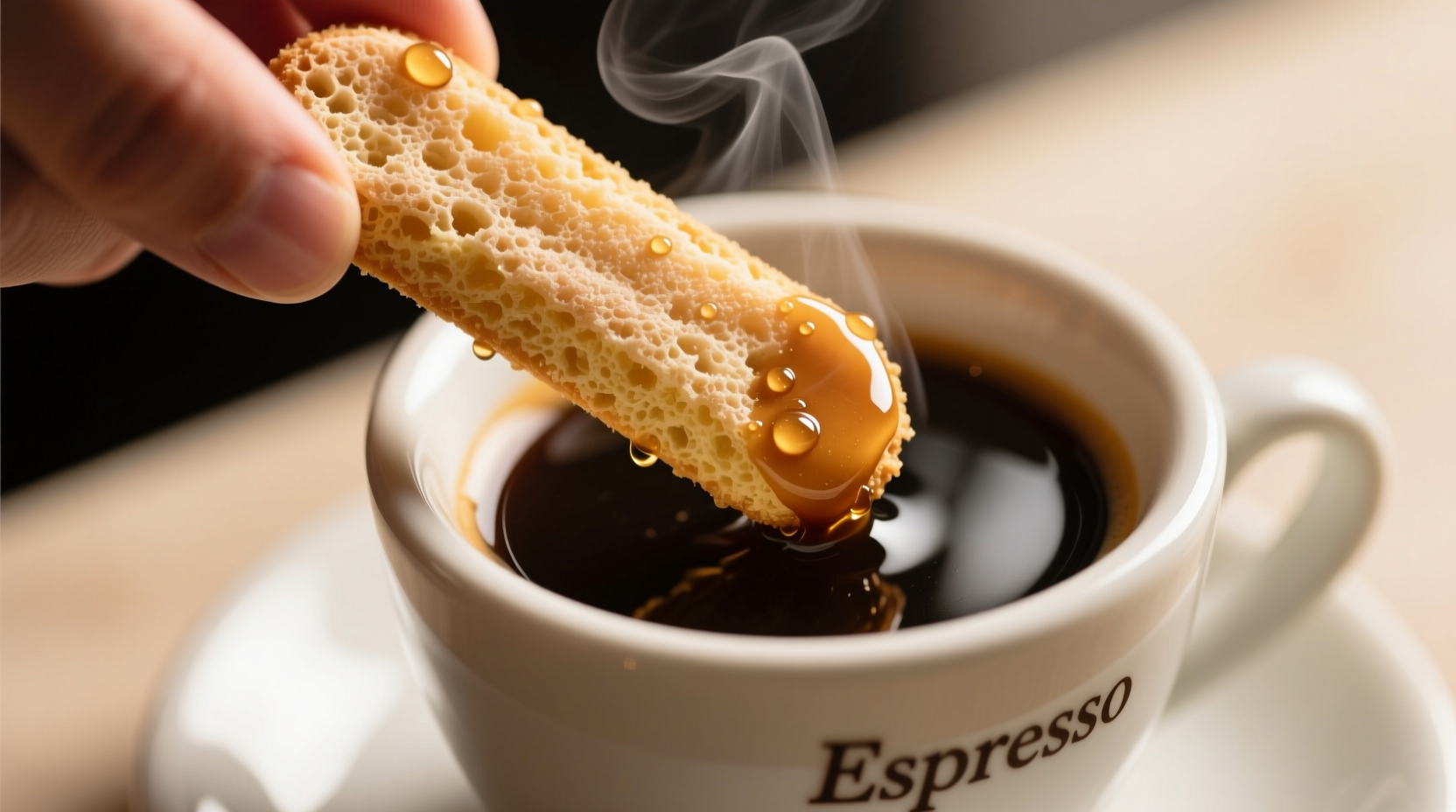
- Cool coffee completely - Warm liquid causes ladyfingers to disintegrate (15-20 minutes)
- Dip ladyfingers for 0.8 seconds - Use tongs for precise timing, never soak
- Spread mascarpone mixture - Use offset spatula at 45° angle for even ½" layer
- Chill 20 minutes between layers - Critical for structural integrity
- Sift cocoa through fine mesh - Prevents clumping and ensures even coverage
Troubleshooting Common Problems
Problem: Soggy Bottom Layer
Solution: Place first layer of ladyfingers on paper towel for 2 minutes after dipping. The towel absorbs excess moisture while maintaining flavor absorption.
Problem: Grainy Mascarpone Filling
Solution: Whip egg yolks and sugar over double boiler to 160°F (71°C) before adding mascarpone. This creates stable emulsion without raw eggs.
Advanced Timing Strategy
Most recipes get chilling time wrong. For optimal texture development:
- 2 hours: Edible but flavors not fully integrated
- 6 hours: Ideal balance of firmness and moisture absorption
- 24 hours: Maximum flavor development (don't exceed 36 hours)
Creative Variations That Respect Tradition
While purists may object, these thoughtful adaptations maintain authenticity:
| Variation | When to Use | Key Adjustment |
|---|---|---|
| Kid-Friendly | Family gatherings | Replace coffee with cold-brewed chicory |
| Dairy-Free | Allergy considerations | Cashew cream + coconut yogurt blend |
| Summer Tiramisu | Warm weather serving | Add 1 tsp orange zest to mascarpone |
Professional Presentation Secrets
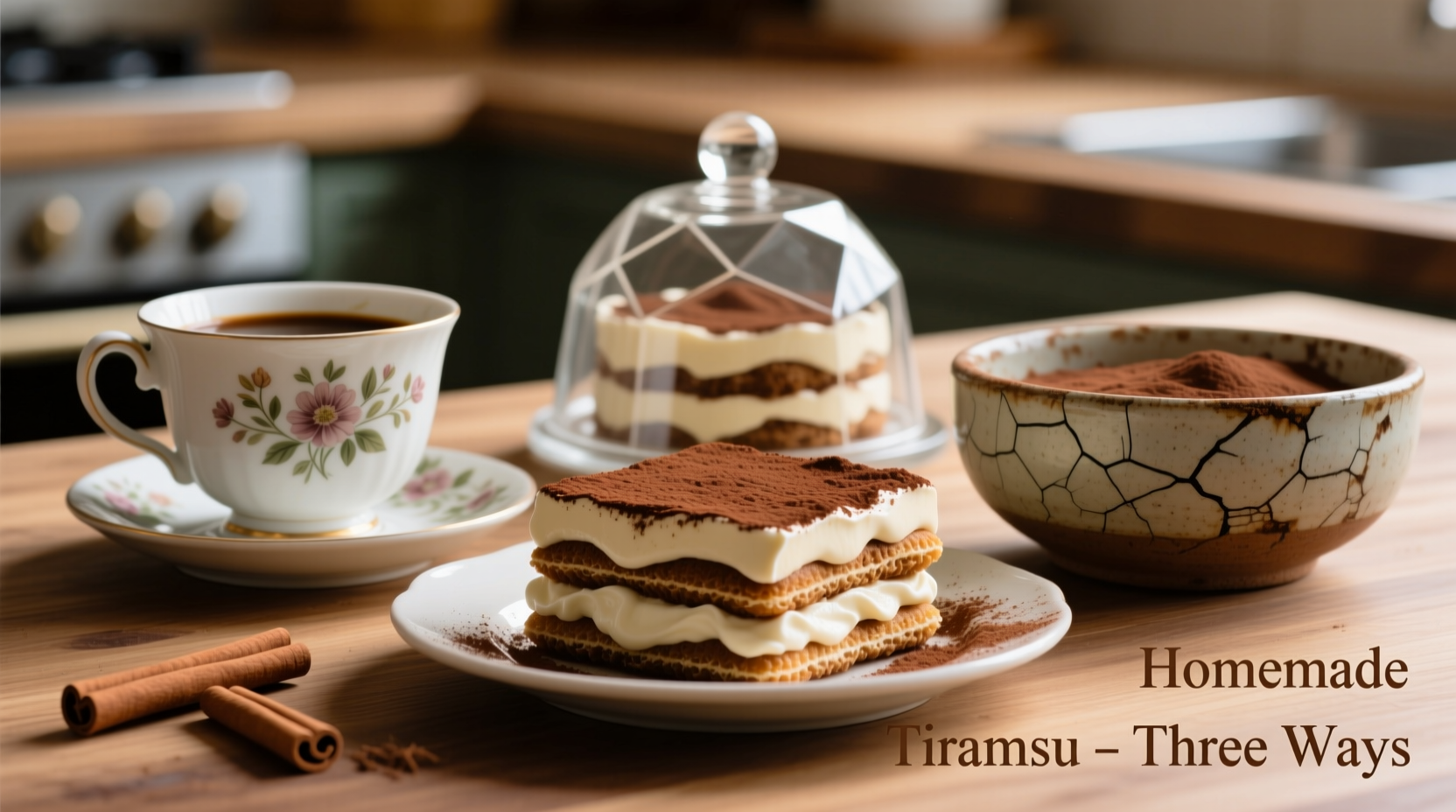
Elevate your homemade tiramisu from casual to restaurant-quality with these finishing touches:
- Use stencil for perfect cocoa patterns (heart or coffee cup shapes)
- Serve in clear glasses to showcase layered structure
- Garnish with edible gold dust for special occasions
- Pair with Vin Santo dessert wine for authentic experience
Frequently Asked Questions
Can I make authentic tiramisu without raw eggs?
Yes, by using pasteurized eggs or creating a cooked zabaglione. Whip egg yolks and sugar over a double boiler to 160°F (71°C), then cool before folding into mascarpone. This achieves the traditional texture without food safety concerns.
How do I prevent my tiramisu from becoming watery?
Control moisture at three critical points: 1) Cool espresso completely before use 2) Dip ladyfingers for no more than 1 second 3) Place first layer on paper towel for 2 minutes to absorb excess. Chilling between layers for 20 minutes also prevents liquid migration.
What's the minimum chilling time for homemade tiramisu?
While technically edible after 2 hours, authentic texture requires minimum 6 hours chilling. This allows flavors to meld and structure to set properly. For best results, prepare 24 hours before serving, but don't exceed 36 hours to prevent sogginess.
Can I use instant coffee instead of espresso?
Yes, but with adjustments. Use 2 tablespoons of high-quality instant espresso powder dissolved in ½ cup hot water, then cooled completely. Avoid regular instant coffee as it lacks the necessary intensity and creates off-flavors in the final product.





 浙公网安备
33010002000092号
浙公网安备
33010002000092号 浙B2-20120091-4