
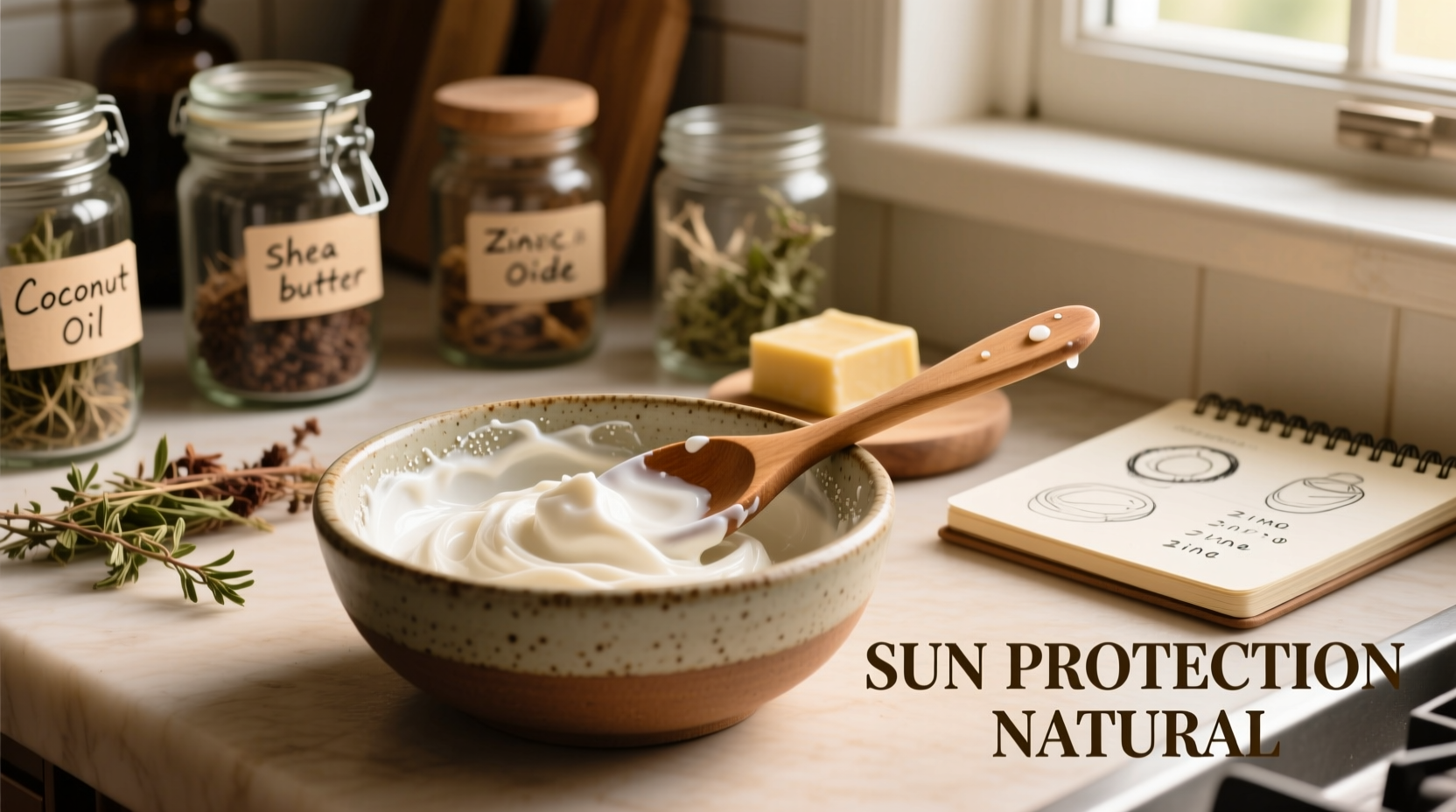
Dermatologists and skin cancer experts unanimously agree that homemade sun protection products cannot provide reliable UV protection. Natural oils and DIY recipes lack verified SPF ratings, fail to offer broad-spectrum coverage, and create dangerous false security that increases skin cancer risk. The only sun protection methods proven effective are FDA-approved sunscreens, sun-protective clothing, and strategic sun avoidance.
Why People Seek Homemade Sun Protection (And Why It's Risky)
Many search for natural sun protection alternatives due to concerns about chemical ingredients in commercial sunscreens, environmental impact, or cost. While these concerns are valid, creating your own sun protection introduces serious risks that outweigh potential benefits.
Unlike regulated sunscreens that undergo rigorous testing for SPF verification and broad-spectrum protection, homemade solutions have no standardized testing. What feels like "protection" on your skin might actually be giving you a dangerous false sense of security while UV rays damage your DNA.
| Natural Ingredient | Claimed SPF | Actual Protection | Scientific Verification |
|---|---|---|---|
| Coconut oil | SPF 4-7 | Minimal UVB protection only | ❌ No broad-spectrum testing |
| Carrot seed oil | SPF 38-40 | No reliable evidence | ❌ Myth with no research |
| Raspberry seed oil | SPF 28-50 | Some UVB protection only | ⚠️ Limited, inconclusive studies |
| Aloe vera | None | After-sun soothing only | ✅ Proven for healing, not prevention |
The Science Behind Effective Sun Protection
Sun protection requires two critical elements that homemade solutions can't reliably deliver:
- Broad-spectrum coverage - Protection against both UVB (burning) and UVA (aging/cancer) rays
- Verified SPF rating - Precise measurement of how long protection lasts before skin damage occurs
Commercial sunscreens undergo rigorous testing to ensure consistent protection across the entire skin surface. Homemade mixtures separate, degrade, and apply unevenly - creating unprotected "islands" where UV damage occurs.

Common DIY Sun Protection Myths Debunked
"Natural Oils Provide Enough Protection"
While some plant oils offer minimal UVB protection (like coconut oil's SPF 4-7), they provide virtually no UVA protection. This creates dangerous false security - you won't burn, but UVA rays still penetrate deep into skin layers causing DNA damage and premature aging.
"Essential Oils Boost Sun Protection"
Many essential oils (like citrus oils) actually increase photosensitivity, making skin more vulnerable to sun damage. Bergamot, lime, and lemon oils can cause severe phytophotodermatitis when exposed to sunlight.
"Zinc Oxide Mixed at Home Works Like Commercial"
Proper dispersion of zinc oxide requires specialized equipment to prevent clumping and ensure even coverage. Homemade versions create uneven protection with dangerous gaps in coverage.
Truly Effective Sun Protection Strategies
Instead of risking skin damage with unverified homemade solutions, consider these evidence-based approaches:
Natural-Friendly Sunscreen Options
- Mineral sunscreens with non-nano zinc oxide (look for "non-nano" to avoid reef damage)
- Certified organic sunscreens meeting NSF or COSMOS standards
- Clear zinc formulas that don't leave white cast
Non-Cream Sun Protection Methods
- UPF 50+ clothing - Provides consistent protection that doesn't wash off
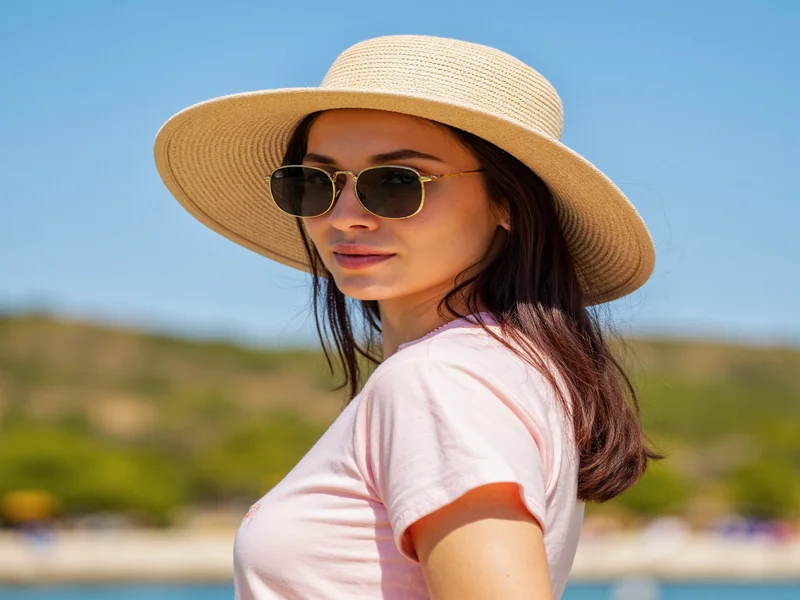
- Sun-protective hats with 3-inch brims all around
- Sunglasses with 100% UV protection
- Strategic timing - Avoid sun exposure between 10am-4pm when UV is strongest
If You Still Want Natural Sun Care
For those committed to natural approaches, here's how to stay safer while respecting scientific evidence:
- Use mineral sunscreens as your primary protection - They're the closest to "natural" while providing verified protection
- Create after-sun care products - Aloe vera gels or calendula creams for soothing skin after exposure
- Make sun-protective clothing - Sew your own UPF garments using tightly woven natural fabrics
- Test commercial products - Use patch tests to identify reactions before full application
Remember: No natural solution replaces proper sun protection. The "shadow rule" is your best free tool - if your shadow is shorter than you are, seek shade immediately.

Building a Comprehensive Sun Safety Routine
Effective sun protection requires multiple approaches working together:
Morning Preparation
- Check UV index (apps like Global UV provide accurate readings)
- Apply mineral sunscreen 15 minutes before sun exposure
- Wear sun-protective clothing as base layer
During Sun Exposure
- Seek shade when UV index exceeds 3
- Reapply sunscreen every 80 minutes (or immediately after swimming)
- Wear UV-blocking sunglasses
Evening Recovery
- Use after-sun products with aloe or calendula
- Hydrate thoroughly
- Check skin for any unusual changes
When Natural Meets Science: Making Informed Choices
The most effective approach combines respect for natural ingredients with scientific understanding of UV protection. Look for products that:
- Contain non-nano zinc oxide (20-25% concentration)
- Include natural antioxidants like vitamin E
- Avoid oxybenzone and octinoxate (known coral reef threats)
- Carry third-party certifications (like Reef Safe or COSMOS)
Remember that "natural" doesn't automatically mean safer or more effective. Many plants contain compounds that increase sun sensitivity, while properly formulated commercial products undergo rigorous safety testing.
Frequently Asked Questions
Can I make effective sunscreen at home using natural ingredients?
No, dermatologists confirm that homemade sunscreens cannot provide reliable, broad-spectrum UV protection. Natural oils like coconut oil offer minimal SPF 4-7 protection against UVB rays only, with virtually no UVA protection. Without laboratory testing, you cannot verify SPF levels or ensure even coverage, creating dangerous false security.
What's the safest natural sun protection alternative?
The safest natural-friendly option is non-nano zinc oxide mineral sunscreen. Look for products with 20-25% zinc oxide concentration that are certified reef-safe. Combine this with UPF 50+ clothing, wide-brimmed hats, and strategic sun avoidance between 10am-4pm for comprehensive protection.
Do natural oils like carrot seed really provide SPF 30-50?
No, this is a persistent myth with no scientific backing. While some plant oils offer minimal UVB protection (coconut oil SPF 4-7), none provide meaningful UVA protection. Studies on raspberry seed oil show limited UVB protection only, with no evidence supporting SPF 30-50 claims.
Can I use aloe vera as sunscreen?
Aloe vera has zero sun protection factor (SPF) and should never be used as sunscreen. It's excellent for soothing sunburns after exposure, but provides no prevention against UV damage. Using aloe vera alone while in the sun will result in significant skin damage.
How can I protect my skin naturally without commercial sunscreens?
The most effective natural protection combines UPF 50+ clothing, wide-brimmed hats, UV-blocking sunglasses, and strategic sun avoidance (especially 10am-4pm). No topical natural solution replaces proper sun protection, but these physical barriers provide consistent, verifiable defense against harmful UV radiation.




 浙公网安备
33010002000092号
浙公网安备
33010002000092号 浙B2-20120091-4