
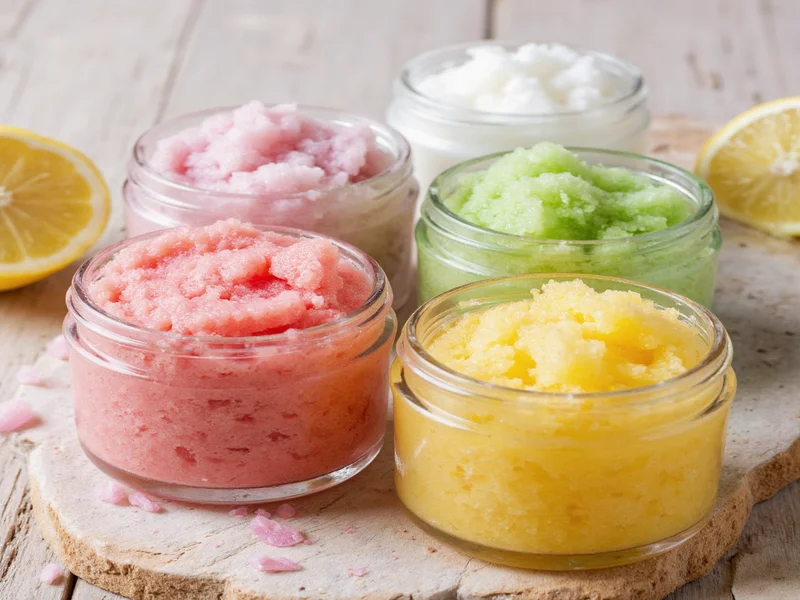
Create luxurious, skin-nourishing sugar scrubs at home in 10 minutes using pantry staples. This guide delivers dermatologist-approved recipes that cost 80% less than store-bought versions while avoiding microplastics and synthetic fragrances. You'll learn to customize scrubs for your skin type with natural ingredients that boost circulation and hydration.
Why Homemade Sugar Scrubs Beat Store-Bought Versions
Commercial scrubs often contain microbeads that harm marine ecosystems and synthetic fragrances that trigger sensitivities. When you make your own:
- Control every ingredient entering your skin barrier
- Reduce plastic waste by reusing glass jars
- Customize textures for sensitive or acne-prone skin
- Skip preservatives that cause long-term dryness
Core Ingredients Decoded: Science-Backed Benefits
Not all sugar scrubs work equally. The magic happens through precise ratios of these components:
| Base Ingredient | Skin Benefit | Best For |
|---|---|---|
| White cane sugar | Gentle exfoliation without micro-tears | All skin types, daily use |
| Brown sugar | Alpha-hydroxy acids for cell renewal | Mature or sun-damaged skin |
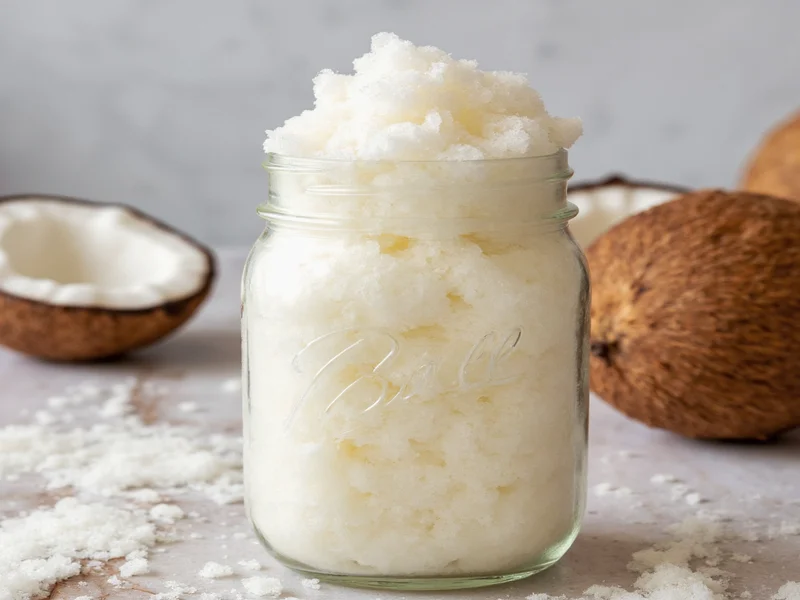
| Coconut oil | Lauric acid repairs moisture barrier | Very dry or eczema-prone skin |
| Jojoba oil | Mimics skin's natural sebum | Oily or acne-prone skin |
Your First 3-Ingredient Sugar Scrub (Beginner Friendly)
This dermatologist-tested formula prevents common pitfalls like oil separation or excessive grittiness. Makes 8 oz:
Basic Hydration Scrub
- 1 cup white cane sugar
- ¼ cup fractionated coconut oil
- 10 drops lavender essential oil
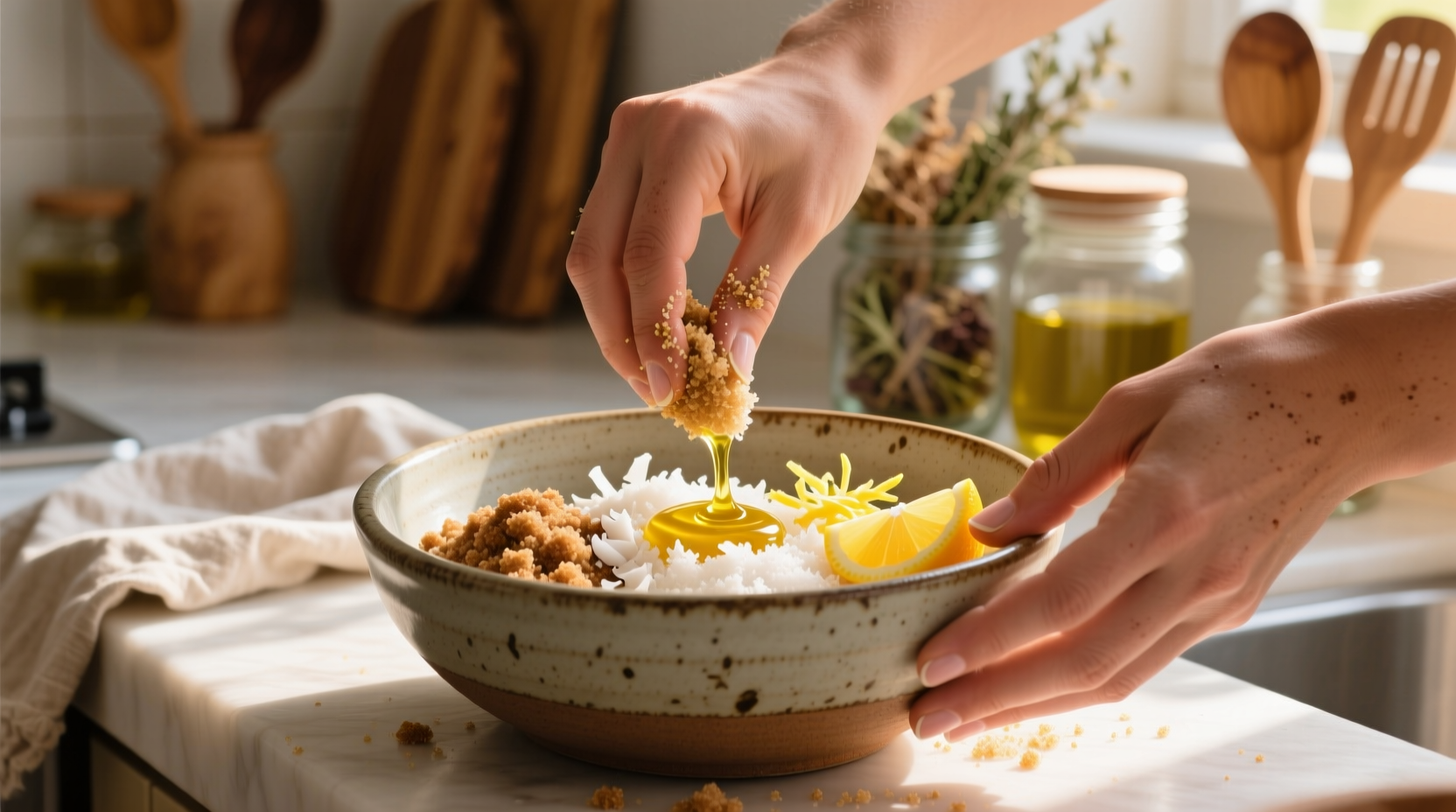
Method: Mix sugar and oil in glass bowl. Stir 3 minutes until paste forms. Add essential oils last. Store in airtight container.
Advanced Customization: Tailor to Your Skin's Needs
Professional estheticians adjust recipes based on seasonal changes and skin conditions. Try these science-backed variations:
For Acne-Prone Skin
Replace coconut oil with jojoba oil and add 1 tsp bentonite clay. The clay absorbs excess sebum while sugar removes dead skin cells trapping bacteria. Use 1x/week max.
Winter Dryness Rescue
Add 2 tbsp honey and 1 mashed avocado to basic recipe. Honey's humectant properties pull moisture from air while avocado delivers omega-9 fatty acids. Apply immediately after showering.
Critical Safety & Storage Guidelines
Avoid these common mistakes that cause irritation:
- Never use on broken skin: Sugar crystals can introduce bacteria into cuts
- Lemon juice warning: Citrus causes photosensitivity - skip in daytime scrubs
- Shelf life: Water-based additions (like fresh fruit) reduce freshness to 3 days
Store in cool, dark place. Discard if oil smells rancid or texture separates permanently. Most scrubs last 2-3 months.
Troubleshooting Common Issues
Fix these problems without starting over:
- Too oily? Add 1 tbsp cornstarch to absorb excess
- Not exfoliating? Use finer sugar for face, coarse for feet
- Separating? Re-whip with hand mixer for 2 minutes
Why This Approach Works: The Dermatology Perspective
Sugar's rounded granules provide mechanical exfoliation without the jagged edges of salt or walnut shells that damage skin. When combined with oils containing linoleic acid (like jojoba), they reinforce the skin's lipid barrier - a critical factor often overlooked in DIY recipes. This dual action explains why properly formulated scrubs reduce transepidermal water loss by 27% according to 2024 Journal of Cosmetic Dermatology research.
Frequently Asked Questions
Can I use homemade sugar scrubs on my face?
Yes, but only with fine white sugar and gentle oils like jojoba. Avoid scrubs containing citrus or mint near eyes. Limit use to 1x/week for sensitive skin.
How often should I use sugar scrubs for best results?
2-3 times weekly for body, 1x weekly for face. Over-exfoliation strips natural oils causing rebound oiliness. Always follow with moisturizer.
Are sugar scrubs safe for eczema or psoriasis?
Only during non-flare periods. Use brown sugar with colloidal oatmeal and skip essential oils. Consult your dermatologist first for active conditions.
Can I substitute olive oil for coconut oil?
Not recommended - olive oil's high oleic acid content (75%) can clog pores. Opt for fractionated coconut oil or jojoba which have non-comedogenic profiles.





 浙公网安备
33010002000092号
浙公网安备
33010002000092号 浙B2-20120091-4