
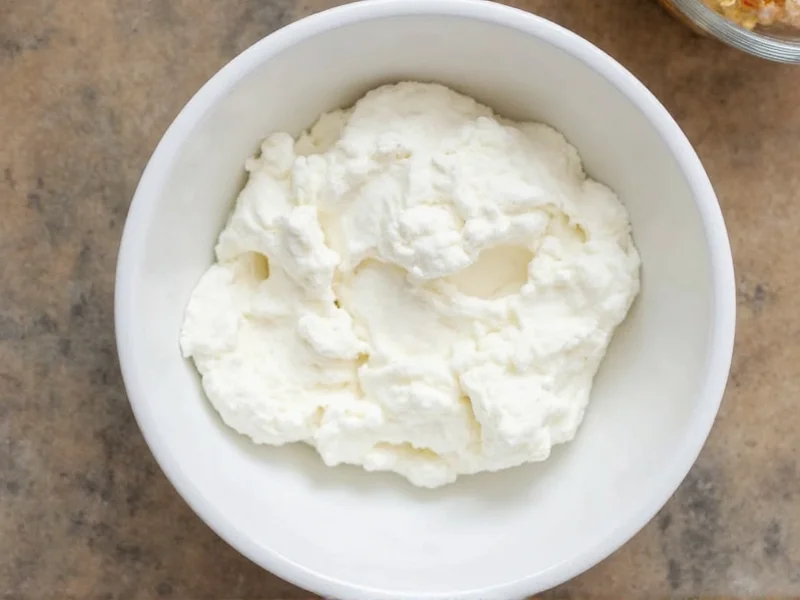
Make fresh, creamy ricotta cheese at home in 30 minutes with just 3 ingredients—no special equipment needed. This foolproof method yields restaurant-quality results for lasagna, desserts, or spreading on toast, costing 70% less than store-bought.
Why Homemade Ricotta Beats Store-Bought Every Time
Commercial ricotta often contains stabilizers and preservatives that dull its delicate flavor. When you make homemade ricotta cheese from scratch, you control every element: the milk quality, acidity level, and texture. The result? Bright, milky-sweet cheese with a fluffy consistency that melts perfectly into pasta fillings or spreads like cloud butter on warm bread. Plus, you'll save $4-6 per batch compared to artisanal store versions.
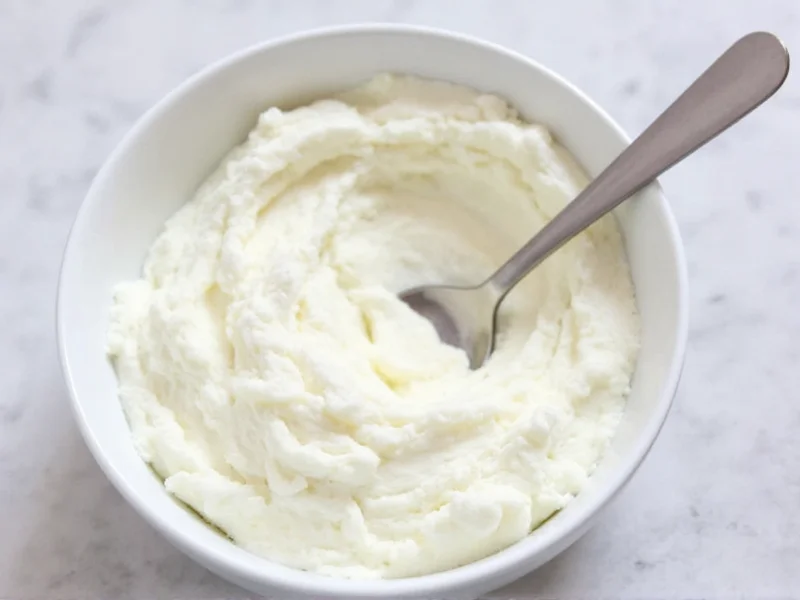
Essential Ingredients & Equipment Checklist
No fancy tools required—just items you likely own. Here's exactly what you need:
| Ingredients | Equipment |
|---|---|
| 4 cups whole milk (not ultra-pasteurized) | Medium stainless steel pot |
| 1 cup heavy cream | Thermometer (critical for accuracy) |
| 3 tbsp fresh lemon juice or white vinegar | Fine-mesh strainer |
| ½ tsp fine sea salt | Cheesecloth or clean kitchen towel |
The Science-Backed Method for Perfect Curds
Most easy homemade ricotta cheese recipes fail because they skip temperature precision. Here's why our approach works:
- Milk Fat Matters: Whole milk + cream creates optimal fat content (8-10%) for tender curds. Skim milk yields rubbery results.
- Acid Timing is Crucial: Adding lemon juice at 185°F (not boiling) prevents protein over-coagulation.
- Gentle Heat Preservation: Never stir after acid addition—this maintains delicate curd structure.
Step-by-Step: Foolproof Homemade Ricotta
Follow these exact steps for consistent results:
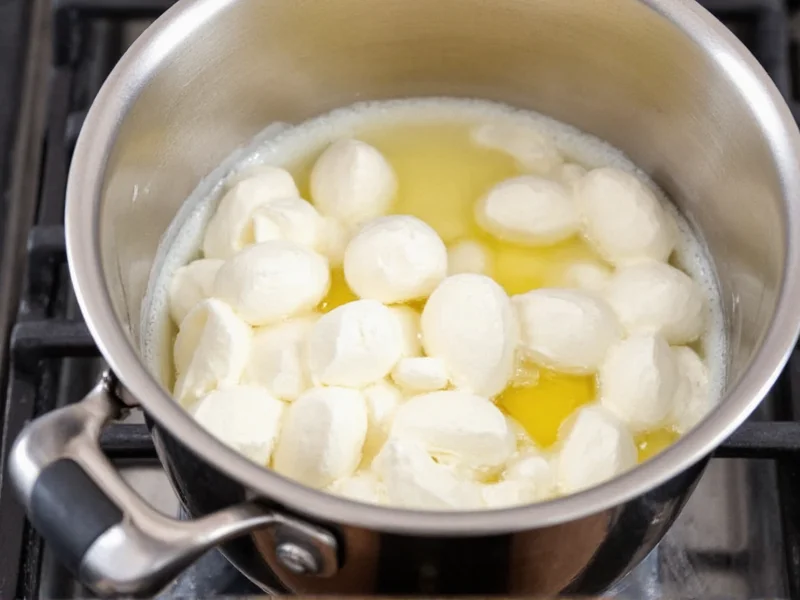
- Heat Slowly: Combine milk and cream in pot. Warm over medium heat to 185°F (8-10 mins), stirring occasionally. Do not boil.
- Add Acid: Remove from heat. Stir in lemon juice and salt. Curds will form instantly—don't stir further.
- Rest Undisturbed: Cover and wait 10 minutes. Curds separate from cloudy whey.
- Strain Gently: Line strainer with damp cheesecloth. Pour mixture in. Drain 10-15 mins for spreadable texture.
- Chill & Store: Transfer to container. Keeps 5 days refrigerated. Whey saves for smoothies!
Troubleshooting Common Issues
Fix these problems before they happen:
"My ricotta is watery"
Solution: Drain longer (up to 30 mins). If using for lasagna, press gently with spoon to compact.
"No curds formed"
Solution: Milk was ultra-pasteurized (common in US stores). Find "pasteurized" not "ultra-pasteurized" on label.
"Grainy texture"
Solution: Temperature exceeded 200°F. Use thermometer next time—heat kills delicate proteins.
Creative Uses Beyond Pasta Fillings
Maximize your fresh ricotta cheese recipe with these chef-inspired applications:
- Breakfast Boost: Swirl into oatmeal with honey and toasted walnuts
- Savory Dip: Mix with roasted garlic, lemon zest, and herbs for crudités
- Dessert Secret: Fold into lemon cake batter for ultra-moist texture
- Pizza Upgrade: Dollop on margherita pizza after baking
Storage & Flavor Variations
Preserve freshness and customize your batch:
- Refrigeration: Store in airtight container with layer of whey on top (extends freshness)
- Freezing: Portion into ice cube trays for baking (thaw overnight in fridge)
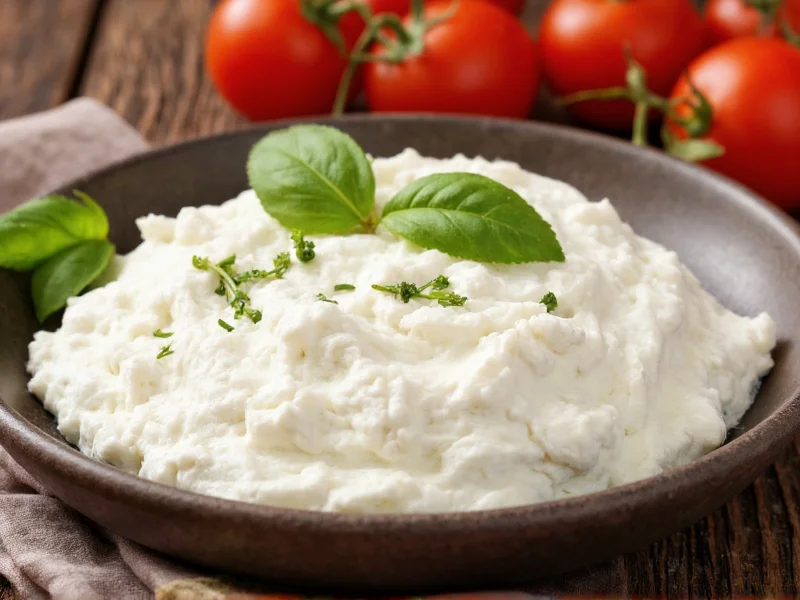
- Herb Infusion: Add 1 tbsp chopped basil or chives during straining
- Sweet Version: Mix in 2 tbsp honey and orange zest after chilling
Frequently Asked Questions
Can I make ricotta without lemon juice or vinegar?
Yes—use ¼ cup buttermilk instead. Heat milk to 110°F, add buttermilk, cover, and rest 12-24 hours until curds form. This traditional method yields tangier flavor but requires planning.
Why is my homemade ricotta grainy?
Graininess occurs when milk boils (over 200°F) or you stir after adding acid. Always use a thermometer and let curds form undisturbed. Whole milk prevents this issue—low-fat versions lack necessary fat for smooth texture.
How long does fresh ricotta last in the fridge?
Properly stored in an airtight container with whey covering the surface, homemade ricotta stays fresh for 5 days. Never leave it at room temperature over 2 hours. For longer storage, freeze in portions for baking.
Can I use skim milk for homemade ricotta?
Skim milk produces rubbery, flavorless ricotta due to insufficient fat content. For authentic texture, use whole milk combined with heavy cream (8-10% total fat). Non-dairy alternatives won't coagulate properly—this method requires dairy proteins.





 浙公网安备
33010002000092号
浙公网安备
33010002000092号 浙B2-20120091-4