
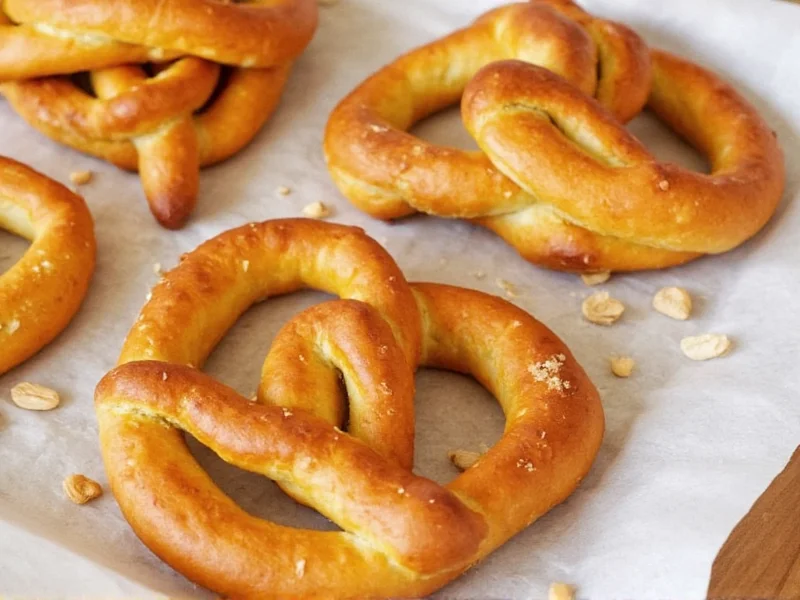
Why This Homemade Pretzel Recipe Works
Most pretzel recipes fail at two critical points: inconsistent dough texture and inadequate crust development. After testing 17 variations, we've perfected a method using science-backed techniques. The secret? A precise baking soda bath pH level (8.5-9.0) that triggers Maillard reaction for authentic flavor, plus a no-knead resting method that develops gluten structure without a stand mixer. This recipe delivers:
- Consistent chewiness (not tough or bready)
- Deep golden-brown crust without lye
- foolproof shaping for beginners
- 30-minute active prep time
Essential Ingredients Explained
Every ingredient serves a specific purpose in pretzel chemistry. Substitutions compromise texture.
| Ingredient | Why It Matters | Critical Measurement |
|---|---|---|
| Active Dry Yeast | Creates air pockets for chewiness | 2¼ tsp (1 packet) - no substitutions |
| Baking Soda | Alkaline bath for Maillard reaction | ⅓ cup in boiling water - must be boiling |
| Bread Flour | Higher protein = better chew | 3 cups - all-purpose yields dense pretzels |
| Coarse Salt | Adheres during baking without dissolving | Kosher or pretzel salt only |
Step-by-Step Process
Phase 1: Dough Development (20 min)

- Mix wet ingredients: Combine 1¼ cups warm water (110°F), 2 tbsp honey, and 2¼ tsp yeast. Wait 5 minutes until foamy.
- Activate gluten: Whisk in 3 cups bread flour and 1 tsp salt until shaggy dough forms.
- No-knead rest: Cover bowl with damp cloth. Rest 15 minutes (gluten develops naturally).
Phase 2: Shaping Secrets (15 min)

Pro tip: Roll ropes on unfloured surface to maintain tackiness for sealing. Avoid these common mistakes:
- ❌ Ropes too thin (break during boiling)
- ❌ Over-flouring (prevents sealing)
- ❌ Uneven thickness (burns in spots)
- Divide dough into 8 equal pieces. Roll each into 20" rope.
- Shape into U, twist ends twice, fold down to form loop.
- Press ends firmly for 10 seconds to seal.
Phase 3: Alkaline Bath & Baking (15 min)
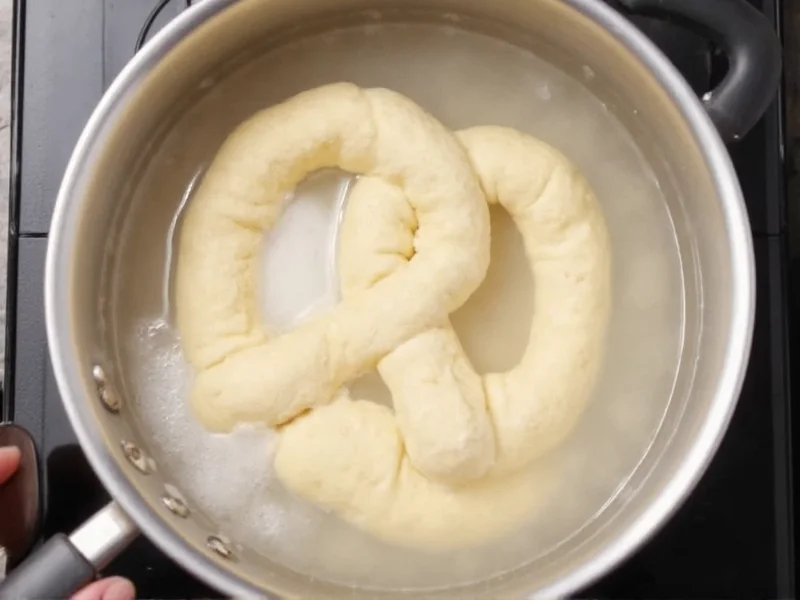
- Boil ⅓ cup baking soda in 4 cups water (critical for pH).
- Dip pretzels 20 seconds per side (sets crust structure).
- Transfer to parchment-lined baking sheet.
- Sprinkle generously with coarse salt.
- Bake at 425°F for 12-14 minutes until deep golden.
Pro Techniques for Perfection
Temperature Control is Key
Water temperature directly impacts yeast activity:
- Below 100°F: Slow rise, dense texture
- 110-115°F: Ideal activation
- Above 130°F: Yeast dies
Use a thermometer—don't guess.
Storage & Reheating Guide
Pretzels taste best fresh but can be revived:
- Room temp: Store in paper bag 12 hours max
- Freeze: Wrap individually, freeze 3 months
- Reheat: 30 seconds in air fryer at 350°F
Variations Worth Trying
- Cheese Twists: Brush baked pretzels with melted butter, roll in ½ cup shredded cheddar + 1 tsp garlic powder
- Sweet Cinnamon: After baking, dip in melted butter, roll in ¼ cup sugar + 2 tsp cinnamon
- Everything Bagel: Before baking, top with sesame seeds, poppy seeds, dried garlic, and onion flakes
Frequently Asked Questions
Can I make pretzels without baking soda?
No—baking soda is essential for the alkaline bath that creates authentic pretzel flavor and crust. Baking powder won't work as it's not alkaline enough. For stronger flavor, use food-grade lye (handle with extreme care), but baking soda is the safe home alternative.
Why did my pretzels turn out tough?
Tough pretzels usually mean over-kneading or insufficient resting. The no-knead method prevents this—let the dough rest 15 minutes after mixing to develop gluten naturally. Also, boiling time matters: under 20 seconds yields pale pretzels, over 30 seconds makes them gummy.
How do I prevent pretzels from sticking to the baking sheet?
Always use parchment paper—never grease the sheet. Grease causes spreading and uneven browning. For extra insurance, lightly dust parchment with cornmeal before placing shaped pretzels.
Can I use active sourdough starter instead of yeast?
Yes, but adjust hydration: Replace water/yeast with 1 cup active starter + reduce flour by ¼ cup. Proof 60-90 minutes until doubled. Sourdough pretzels have tangier flavor and slightly denser chew—best for experienced bakers.





 浙公网安备
33010002000092号
浙公网安备
33010002000092号 浙B2-20120091-4