
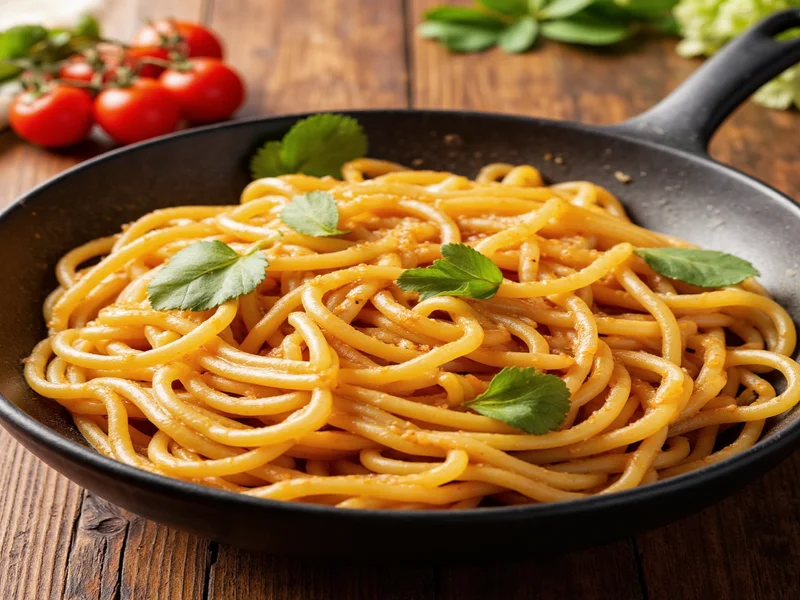
Why Homemade Noodles Beat Store-Bought Every Time
Commercial noodles often contain preservatives and lack the delicate texture of fresh pasta. When you make homemade noodles recipe from scratch, you control every element - from the egg-to-flour ratio affecting chewiness to the thickness determining sauce adherence. The difference isn't just taste; it's the satisfaction of transforming basic pantry staples into something extraordinary.
Essential Ingredients & Equipment Checklist
Core Ingredients (Serves 4)
- 2½ cups (300g) all-purpose flour + extra for dusting
- 3 large eggs (room temperature)
- 1 tsp fine sea salt
- 1 tbsp olive oil (optional for elasticity)
Must-Have Tools
- Wooden cutting board (not glass!)
- Rolling pin (wine bottle works in a pinch)
- Sharp chef's knife or pizza cutter
- Wire cooling rack for drying
The Science Behind Perfect Noodle Dough
Most easy homemade egg noodles recipe failures happen at the mixing stage. Here's what professional chefs know:
| Dough Issue | Cause | Fix |
|---|---|---|
| Cracks when rolling | Too little moisture | Add 1 tsp water |
| Sticky and tears | Excess moisture | Dust with flour sparingly |
| Hard after cooking | Over-kneaded | Rest dough 15 mins before rolling |
Step-by-Step: Foolproof Noodle Making Process
Phase 1: Creating the Dough (10 minutes)
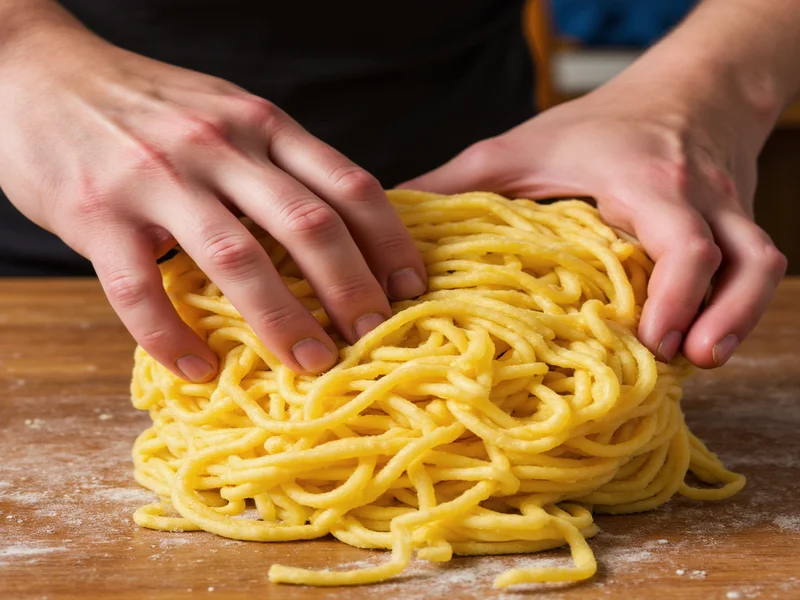
- Mound flour on cutting board, make deep well in center
- Whisk eggs + salt in well until fully blended
- Using fork, gradually incorporate flour from inner walls
- Knead 8-10 minutes until smooth and elastic (dough should spring back when pressed)
- Wrap in damp cloth, rest 30 minutes (critical for gluten relaxation!)
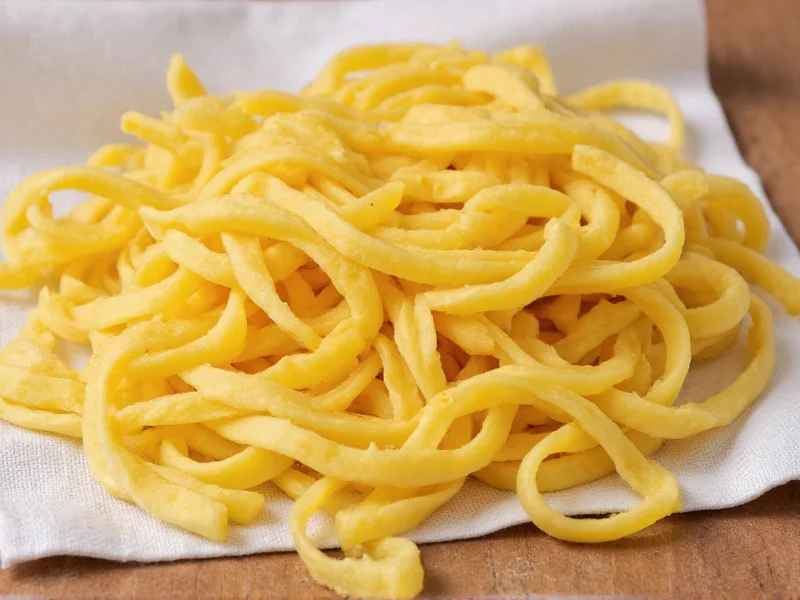
Phase 2: Rolling & Cutting (15 minutes)
- Pro Tip: Roll dough in one direction only to maintain even thickness
- Aim for 1/16 inch thickness - thick enough to hold shape, thin enough to cook quickly
- Fold rolled sheet like a letter, then slice into 1/8-inch strips with sharp knife
- Immediately separate strands to prevent sticking
Mastering the Cooking Process
Unlike dried pasta, fresh noodle dough without machine requires precise timing:
Perfect Cooking Guide
- Use 4 quarts water + 2 tbsp salt per batch
- Water must be at rolling boil before adding noodles
- Cook 60-90 seconds until noodles float
- Shock in ice water ONLY if not serving immediately
- Reserve 1 cup starchy water for sauce emulsification
3 Game-Changing Variations
Once you've mastered the simple noodle dough recipe for beginners, experiment with these chef-approved twists:
- Herb Infusion: Blend 2 tbsp fresh basil or chives into eggs before mixing
- Whole Wheat Boost: Substitute 1 cup all-purpose flour with white whole wheat flour
- Asian Fusion: Replace 1 egg with 2 tbsp soy sauce + 1 tsp sesame oil
Storage Secrets for Maximum Freshness
Homemade noodles lack preservatives, so proper storage is crucial:
- Fresh use: Cook within 2 hours of cutting for best texture
- Refrigeration: Toss with semolina, store in airtight container for 2 days
- Freezing: Freeze cut noodles on tray first, then transfer to bags (keeps 3 months)
Troubleshooting Common Problems
Even experienced cooks face these issues with how to make noodles from scratch:
- Noodles sticking together: Insufficient dusting or overcrowded pot - use more semolina and cook in batches
- Mushy texture: Overcooked or dough too wet - reduce cooking time by 15 seconds
- Uneven thickness: Roll from center outward with consistent pressure
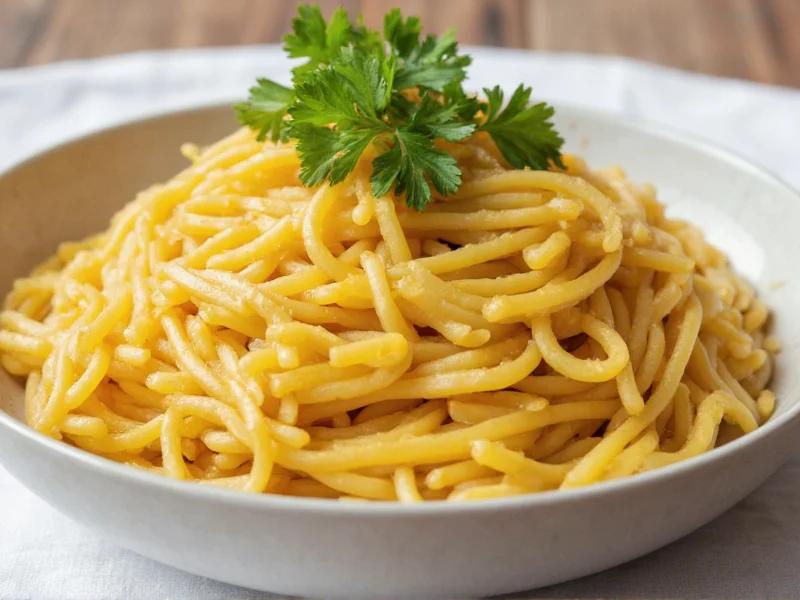
Serving Suggestions That Shine
Let your homemade noodles recipe shine with these pairings:
- Classic: Toss with browned butter, sage, and parmesan
- Light: Toss with lemon zest, olive oil, and cherry tomatoes
- Hearty: Serve with mushroom ragu (the starch grabs sauce better than dried pasta!)
Frequently Asked Questions
Can I make this recipe without eggs for vegan noodles?
Yes! Substitute eggs with ¾ cup lukewarm water + 1 tbsp olive oil. Add 1 tsp xanthan gum for elasticity. Note: texture will be more delicate - handle cut noodles extra carefully.
Why does my dough keep shrinking back when rolling?
This indicates insufficient resting time. Gluten needs 30 minutes minimum to relax. If problem persists, cover dough and rest another 15 minutes. Never force the dough - it will tear.
How do I know when fresh noodles are perfectly cooked?
They'll float to the surface within 60-90 seconds and turn translucent. Test one strand - it should be tender with slight resistance (al dente). Overcooking happens in seconds with fresh pasta!
Can I use this dough for dumpling wrappers?
Absolutely! Roll thinner (1/32 inch) and cut into 3-inch circles. The egg content makes these more pliable than standard dumpling dough - perfect for pleating without cracking.





 浙公网安备
33010002000092号
浙公网安备
33010002000092号 浙B2-20120091-4