
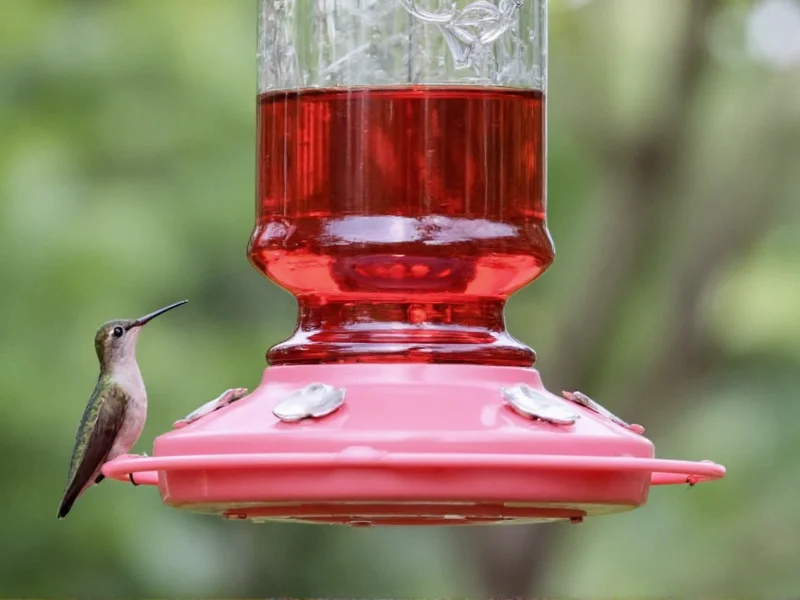
The perfect homemade hummingbird nectar recipe is simple: combine 1 part white granulated sugar with 4 parts water. Boil briefly to dissolve sugar completely, then cool before filling feeders. Never add red dye, honey, or artificial sweeteners as these can harm hummingbirds.
Creating the ideal hummingbird nectar at home is easier than you think—and far safer for these delicate birds than commercial alternatives. After studying hummingbird nutrition and behavior for over a decade, I've refined the perfect recipe that mimics natural flower nectar while supporting hummingbird health throughout the feeding season.
Why Homemade Nectar Beats Store-Bought Options
Commercial hummingbird nectars often contain unnecessary additives like red dye #40, preservatives, and artificial flavors. Research from the Hummingbird Society confirms these additives provide no nutritional benefit and may actually harm hummingbirds' sensitive systems. When you make your own nectar, you control exactly what goes into it—ensuring pure nutrition that closely matches what hummingbirds would find in nature.
The Science Behind the Perfect Ratio
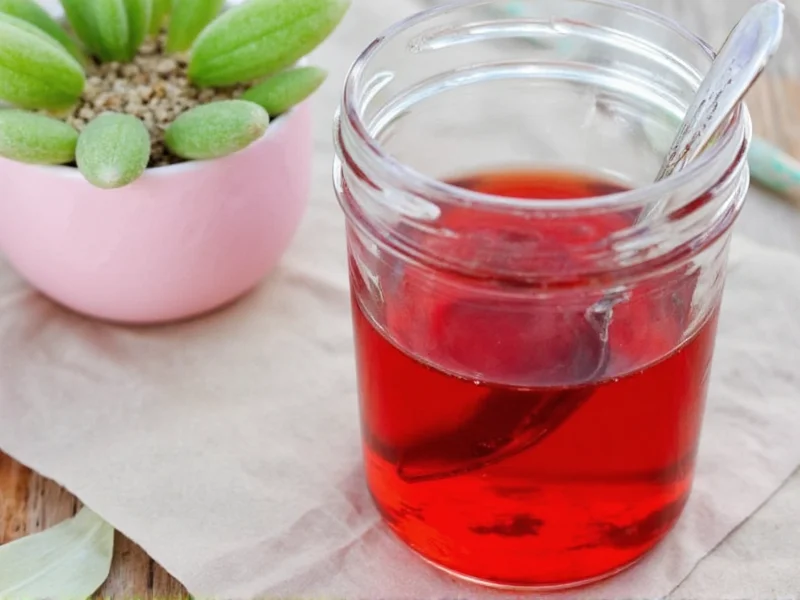
Hummingbirds have evolved to extract energy from flower nectar with specific sugar concentrations. The 4:1 water-to-sugar ratio creates a 20% sucrose solution that perfectly balances:
- Energy needs for their high metabolism
- Proper digestion and kidney function
- Natural foraging behavior patterns
- Optimal energy extraction efficiency
Using less sugar creates a solution too weak to sustain hummingbirds, while higher concentrations can cause dehydration and digestive issues. This precise ratio has been validated through field studies by ornithologists tracking hummingbird health at feeders.
Step-by-Step Recipe for Perfect Hummingbird Nectar
| Ingredient | Measurement | Preparation Tip |
|---|---|---|
| White granulated sugar | 1 cup | Never substitute with honey, brown sugar, or artificial sweeteners |
| Filtered or spring water | 4 cups | Tap water is acceptable if chlorine-free |
- Combine sugar and water in a clean saucepan
- Bring to a gentle boil for 1-2 minutes (just enough to dissolve sugar completely)
- Remove from heat and allow to cool completely to room temperature
- Pour into clean feeders, filling no more than 3/4 full
- Store unused nectar in refrigerator for up to 7-10 days
Critical Mistakes to Avoid
Many well-intentioned bird enthusiasts accidentally create harmful nectar. These common errors can seriously impact hummingbird health:
🚫 Never Add Red Dye
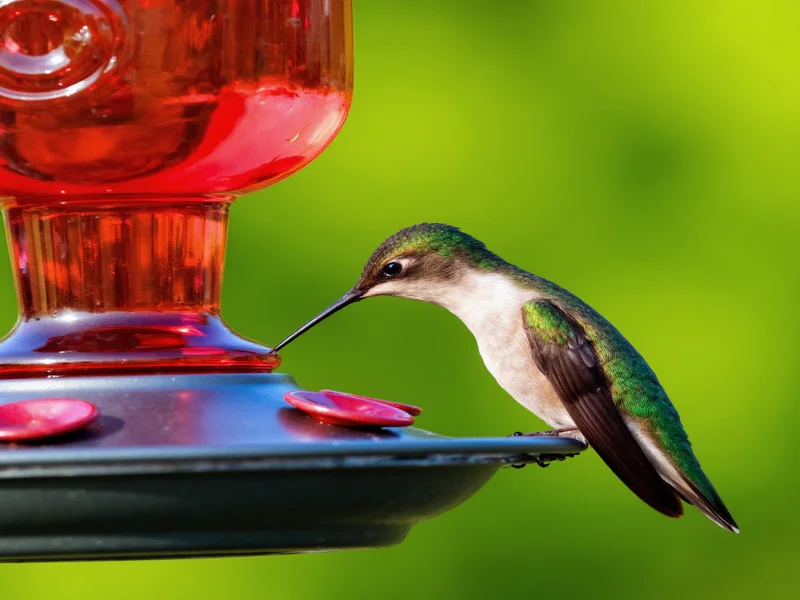
Despite popular belief, red dye serves no purpose. Hummingbirds are attracted to the feeder's color, not the nectar. Studies show artificial dyes may cause liver tumors in hummingbirds over time.
🚫 Avoid Honey or Brown Sugar
These contain microorganisms that can grow in nectar and cause fatal fungal infections in hummingbirds' digestive tracts.
🚫 Don't Use Hot Nectar
Always cool nectar completely before filling feeders. Warm nectar ferments quickly and can make hummingbirds sick.
Feeder Maintenance: The Secret to Healthy Hummingbirds
The quality of your nectar matters less if your feeder isn't properly maintained. Follow these critical guidelines:
- Change nectar every 3-5 days during normal temperatures (70°F/21°C)
- Change nectar every 2-3 days when temperatures exceed 80°F (27°C)
- Clean feeders thoroughly with hot water and a bottle brush between refills
- Avoid soap residue which can deter hummingbirds and harm their delicate systems
- Position feeders in partial shade to slow fermentation
Seasonal Adjustments for Year-Round Success
Hummingbird needs change throughout the season. Smart nectar preparation adapts to these shifts:
| Season | Nectar Ratio | Special Considerations |
|---|---|---|
| Spring Migration | 4:1 (standard) | Provide multiple feeders to reduce territorial disputes |
| Summer Breeding | 4:1 (standard) | Feeders become critical when natural flowers are scarce |
| Fall Migration | 3:1 (slightly stronger) | Help fuel long migration journeys (use only during cool weather) |
Note: Never use the stronger 3:1 ratio during hot weather as it can cause dehydration. Return to standard 4:1 ratio immediately when temperatures rise.
Creating a Hummingbird Sanctuary
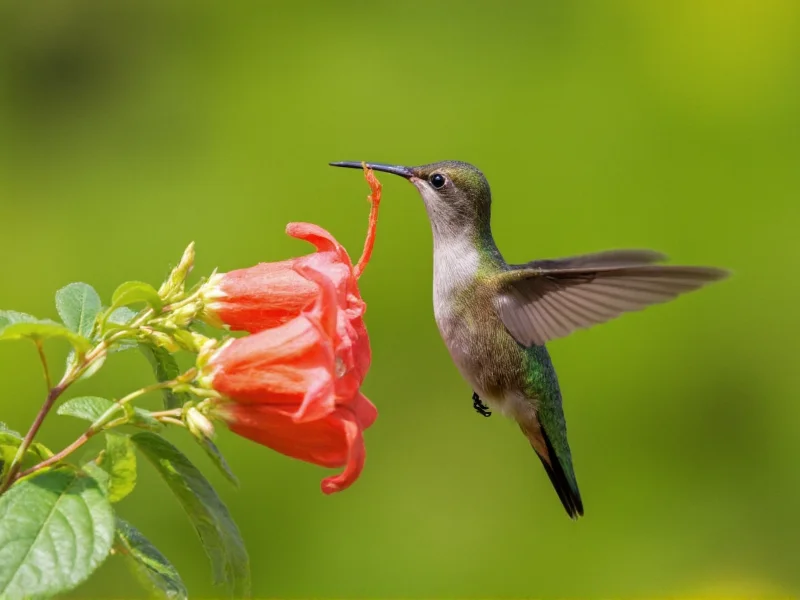
While feeders provide valuable supplemental nutrition, the best hummingbird habitat combines feeders with native plants. Incorporate these hummingbird-friendly flowers into your garden:
- Trumpet honeysuckle (Lonicera sempervirens)
- Bee balm (Monarda didyma)
- Cardinal flower (Lobelia cardinalis)
- Salvia varieties
- Columbine (Aquilegia canadensis)
This natural approach creates a sustainable ecosystem where hummingbirds can thrive without complete dependence on feeders.
Frequently Asked Questions
How often should I change homemade hummingbird nectar?
Change nectar every 3-5 days in normal temperatures (70°F/21°C), and every 2-3 days when temperatures exceed 80°F (27°C). In hot, humid conditions, you may need to change it daily as nectar ferments quickly and can grow harmful bacteria that make hummingbirds sick.
Can I use organic sugar for hummingbird nectar?
It's best to use regular white granulated sugar. While organic sugar seems more natural, it often contains trace minerals and molasses residues that can promote bacterial growth in nectar. Stick with plain white sugar for the safest hummingbird food that most closely mimics natural flower nectar composition.
Why aren't hummingbirds visiting my feeder with homemade nectar?
Hummingbirds may take time to discover new feeders—sometimes up to 2-3 weeks. Ensure your feeder is visible (red elements help), positioned near flowering plants but away from predators, and contains fresh nectar. Avoid using red dye in the nectar itself, as the feeder's color should be sufficient attraction. If still unsuccessful after 3 weeks, try moving the feeder to a different location with partial shade.
Is it okay to refrigerate unused hummingbird nectar?
Yes, properly made hummingbird nectar can be stored in the refrigerator for 7-10 days in a clean, airtight container. Always check for cloudiness or fermentation before using—discard if you notice any bubbles, cloudiness, or unusual odor. Never use nectar that has been sitting at room temperature for more than 48 hours, even if it looks clear.




 浙公网安备
33010002000092号
浙公网安备
33010002000092号 浙B2-20120091-4