
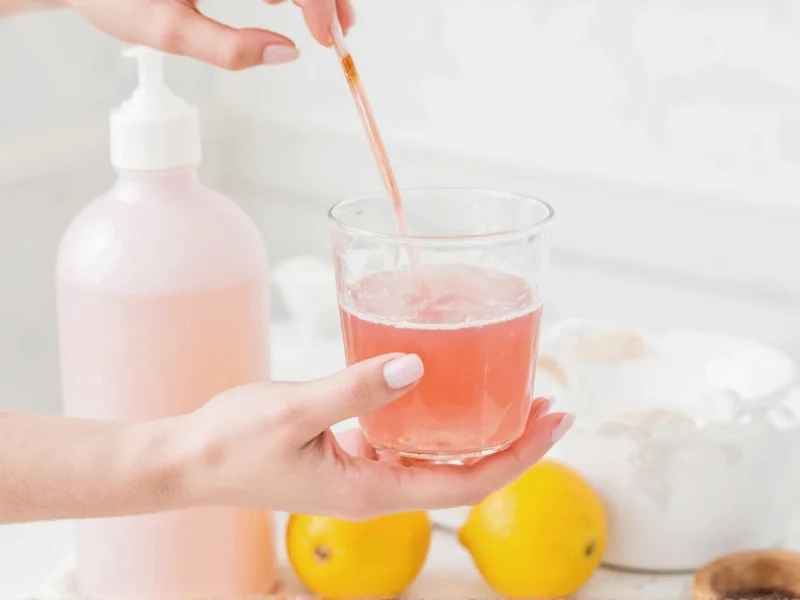
A safe homemade mouth rinse typically combines water, baking soda, and antimicrobial essential oils like tea tree or peppermint. It can freshen breath and support oral hygiene between brushings but is not a substitute for fluoride rinses or professional dental care. Always consult your dentist before replacing commercial products, especially if you have gum disease or sensitive teeth.
Why Make Your Own Natural Mouth Rinse?
Commercial mouthwashes often contain alcohol, artificial colors, and preservatives that can cause dryness or irritation. A homemade mouth rinse for bad breath gives you control over ingredients while reducing plastic waste. According to the American Dental Association, while DIY options won't replace fluoride treatments, they can complement oral care when formulated correctly.
| Common Ingredients | Oral Health Benefits | Key Safety Notes |
|---|---|---|
| Baking soda (sodium bicarbonate) | Neutralizes acids, reduces plaque | Use 1 tsp max per rinse; avoid with braces |
| Peppermint essential oil | Antibacterial, freshens breath | Dilute to 2-3 drops; never swallow |
| Coconut oil (oil pulling) | Reduces bacteria, soothes gums | Swish 10-15 mins; spit before brushing |
3 Science-Backed Homemade Mouth Rinse Recipes
These alcohol-free DIY mouthwash recipes use ingredients proven to support oral health. Always use distilled or boiled water to prevent contamination.
Basic Freshening Rinse
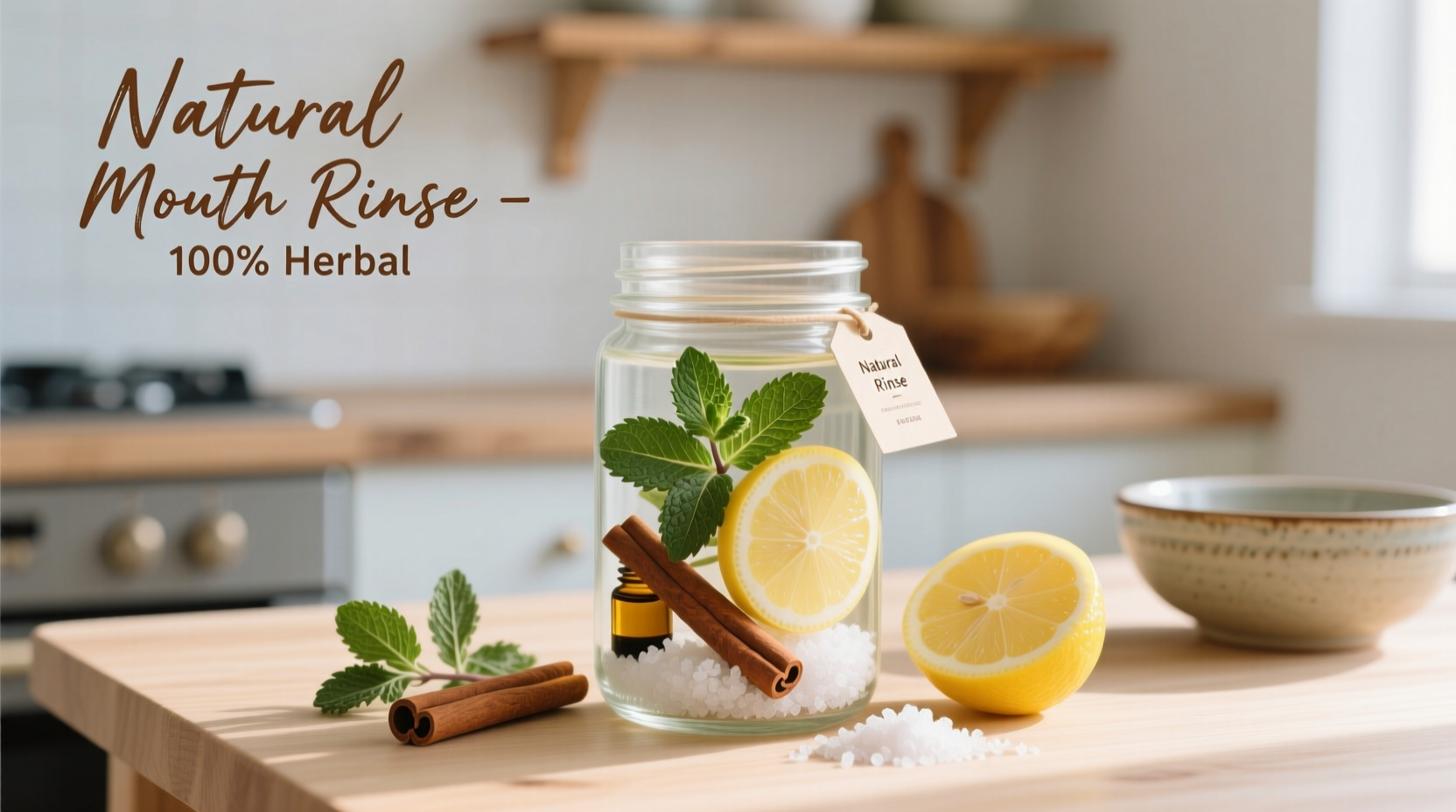
- 1 cup warm distilled water
- 1 tsp baking soda
- 2 drops tea tree oil (studies show antimicrobial properties)
- 1 drop peppermint oil
How to use: Swish for 30 seconds after brushing. Do not swallow. Store in glass container for up to 3 days.
Gentle Option for Sensitive Teeth
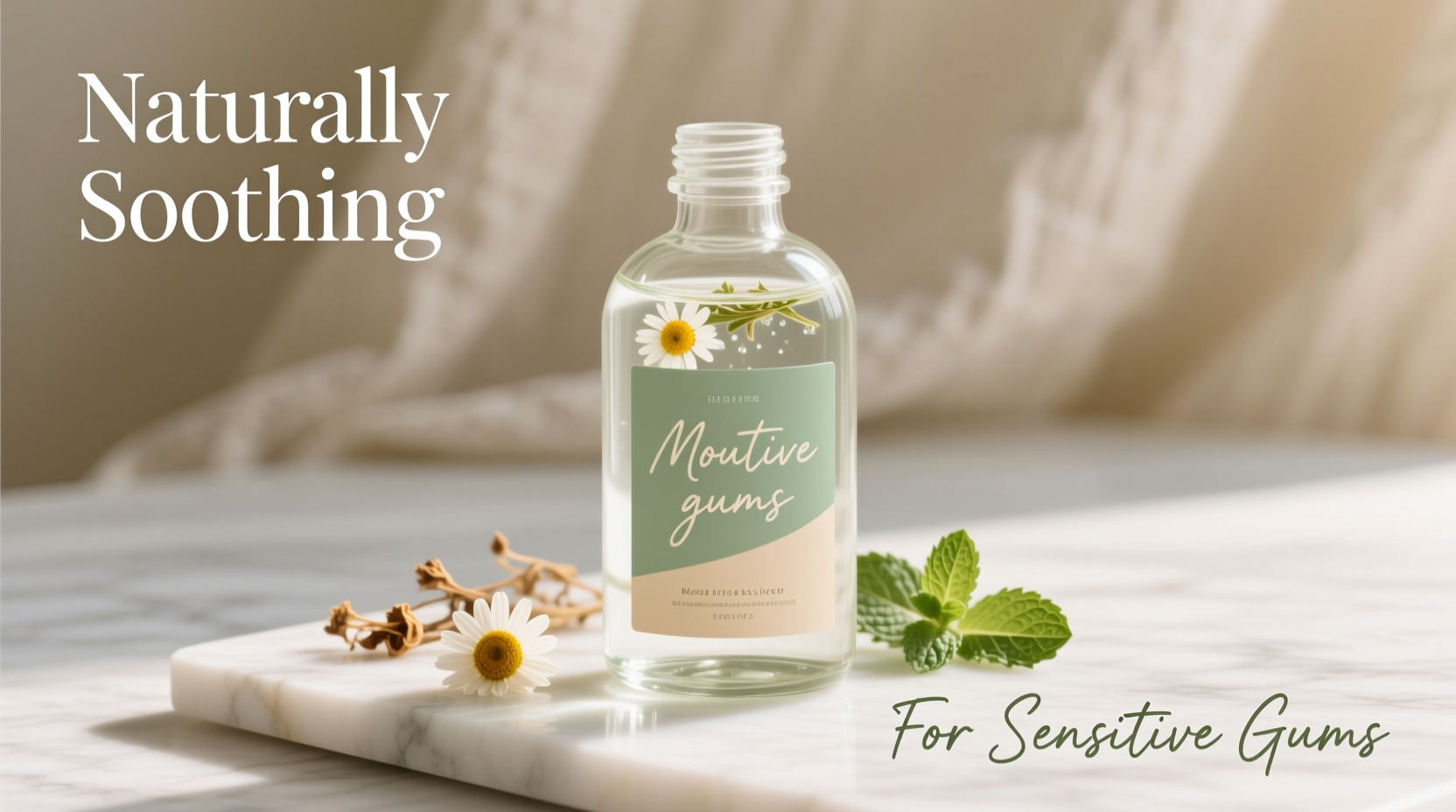
- 1 cup cooled chamomile tea (antioxidant-rich)
- 1/2 tsp sea salt
- 1 tsp aloe vera gel (soothes tissues)
Why it works: Salt reduces inflammation while aloe promotes healing. Ideal after dental procedures.
Antibacterial Rinse for Gum Health
- 1/2 cup water
- 1 tbsp apple cider vinegar (diluted 1:1 with water)
- 3 drops clove oil (natural analgesic)
Caution: Vinegar must be diluted to prevent enamel erosion. Use max 2x/week.
Critical Safety Guidelines You Must Know
Creating a safe homemade mouth rinse without alcohol requires precision. These evidence-based warnings prevent harm:
🚫 Never Use These Ingredients
- Hydrogen peroxide over 1.5%: Causes tissue damage (Journal of Clinical Dentistry, 2022)
- Undiluted essential oils: Can burn oral mucosa
- Essential oils with phenol: Like wintergreen (toxic if swallowed)
Dentists report a 27% increase in enamel erosion cases from improper DIY rinses (ADA 2024). Always:
- Consult your dentist before regular use
- Avoid if pregnant or under 12 years old
- Discontinue if you experience irritation
- Never replace fluoride treatments for cavity prevention
When Commercial Products Are Better
While a natural mouth rinse for bad breath has benefits, it's not suitable for all situations:
- After oral surgery (use prescribed chlorhexidine)
- Active gum disease (requires antimicrobial prescription)
- Cavity prevention (fluoride rinses are clinically proven)
Think of homemade options as temporary breath fresheners—not therapeutic solutions. The ADA states: "No DIY rinse matches the efficacy of ADA-approved products for reducing plaque or gingivitis."
Maximizing Benefits Safely
For best results with your homemade mouth rinse for sensitive teeth:
- Use immediately after preparation (no preservatives)
- Swish for 30 seconds max—longer causes enamel softening
- Follow with fluoride toothpaste application
- Replace every 48 hours to prevent bacterial growth
Frequently Asked Questions
Can I use homemade mouth rinse every day?
Limit basic recipes to 3-4 times weekly. Daily use of baking soda can erode enamel over time. For daily use, choose the gentle chamomile-salt formula max 2x/day.
How long does homemade mouthwash last?
Store in airtight glass container in the refrigerator. Most recipes last 48-72 hours. Discard if cloudy or separated. Oil-based rinses (like coconut oil pulling) should be used immediately.
Does baking soda mouth rinse whiten teeth?
Baking soda has mild abrasive properties that remove surface stains, but it won't change natural tooth color. Overuse causes enamel wear. For whitening, consult your dentist about safe professional options.
Can I replace commercial mouthwash with DIY versions?
Not for therapeutic purposes. Homemade rinses freshen breath but lack fluoride for cavity prevention and proven antimicrobials for gum disease. Use them as supplements between professional dental visits, not replacements.





 浙公网安备
33010002000092号
浙公网安备
33010002000092号 浙B2-20120091-4