
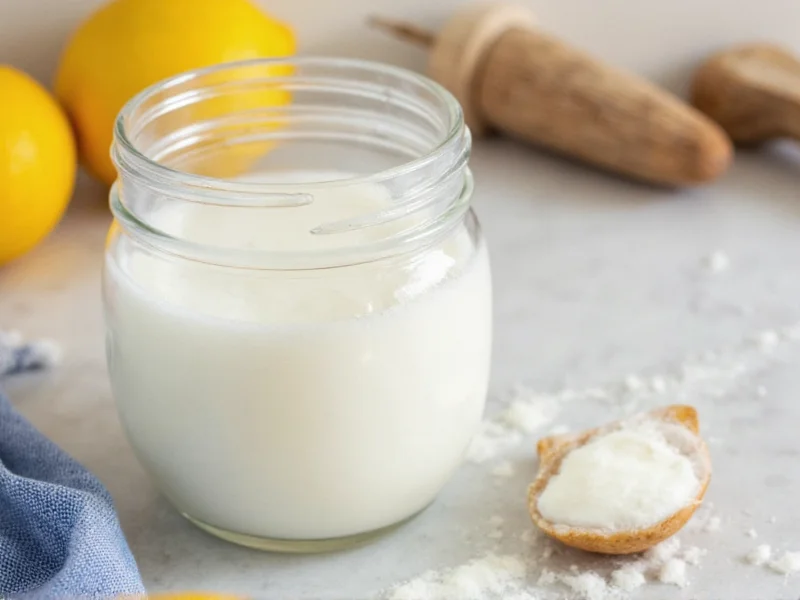
Homemade milk kefir delivers 30-50 probiotic strains for gut health at half the cost of store-bought versions. Using just milk and kefir grains, you'll create a tangy, nutrient-rich beverage in 24-48 hours with no additives or preservatives.
Why Homemade Kefir Beats Store-Bought Every Time
Forget expensive supermarket bottles with limited bacterial diversity. When you ferment kefir at home, you harness living kefir grains that contain up to 50 beneficial microorganisms—compared to the 5-10 strains in commercial products. This microbial diversity directly translates to stronger gut health benefits, including improved digestion and immune support.
Plus, you'll save significantly: a single $15 grain purchase lasts years as they multiply, costing pennies per batch versus $4-$6 for store versions. Let's explore exactly how to achieve perfect results.
Your Essential Kefir-Brewing Toolkit
Non-Negotiable Supplies
- Fresh whole milk (cow or goat) - pasteurized but not ultra-pasteurized
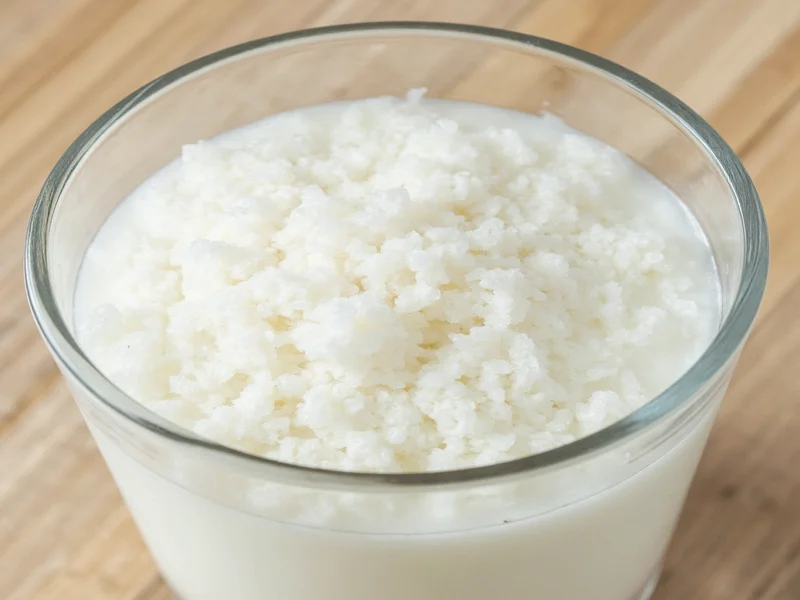
- Active kefir grains (1-2 tablespoons per cup of milk)
- Unbleached muslin bag or stainless steel strainer
- Glass mason jar with breathable lid
- Wooden or plastic spoon (never metal)
Step-by-Step Brewing Guide: Foolproof Results
Follow this precise sequence for consistently smooth, tangy kefir:
- Activate grains (if dried): Soak in 1 cup milk for 24 hours at room temperature
- Add grains to fresh milk in jar (1 tbsp grains per cup milk)
- Cover loosely with cloth or coffee filter secured by rubber band
- Ferment 24-48 hours at 68°-78°F (warmer = faster fermentation)
- Strain gently using non-metal strainer when liquid separates slightly
- Store grains in fresh milk for next batch or in milk in fridge
| Stage | Visual Cues | Common Mistakes |
|---|---|---|
| Fermentation | Milk thickens slightly, develops tangy aroma | Over-fermenting causing sourness or separation |
| Straining | Grains feel plump and gelatinous | Using metal tools damaging grain structure |
| Storage | Grains suspended in fresh milk | Refrigerating without weekly feeding |
Troubleshooting Like a Pro
Even experienced brewers face issues. Here's how to fix them immediately:
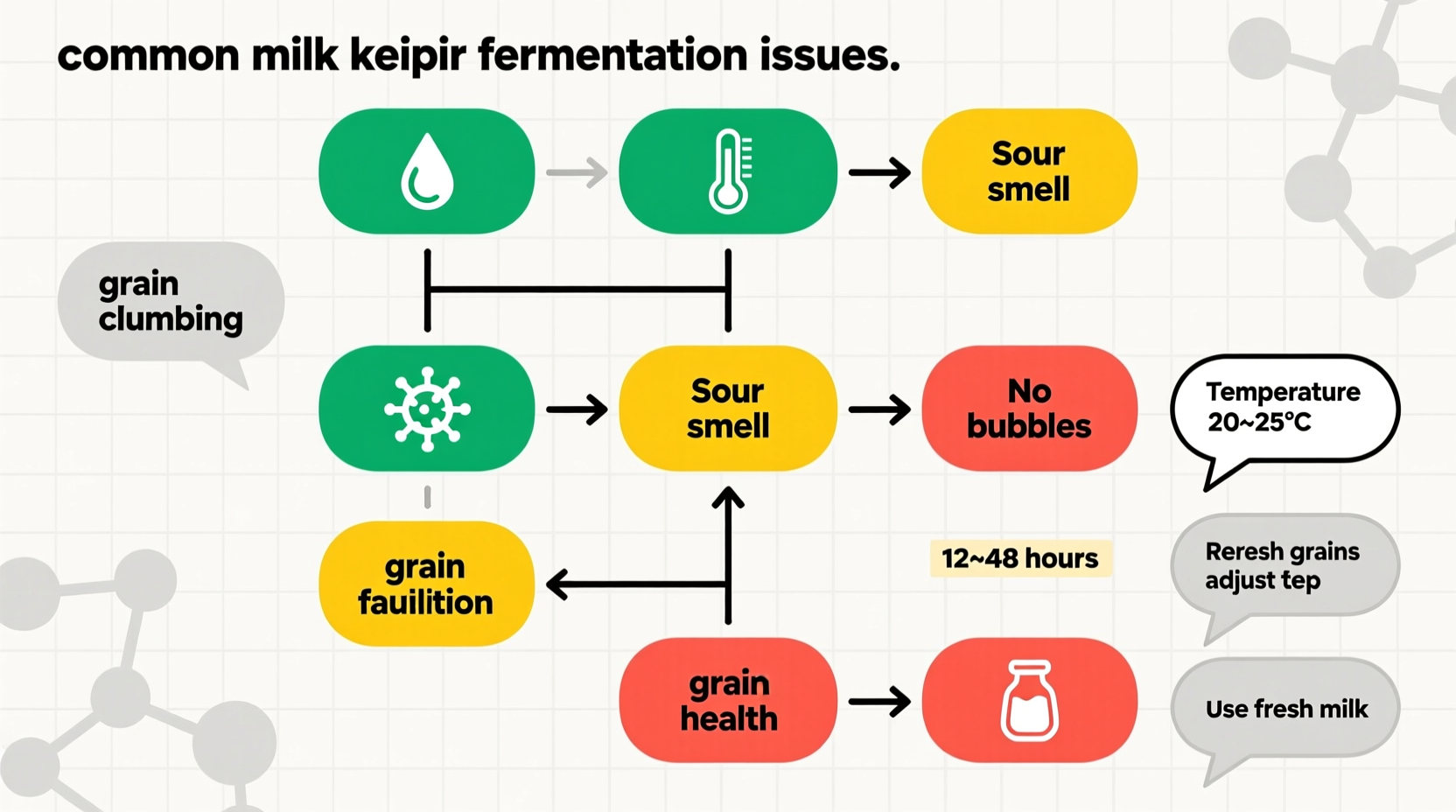
Problem: Weak fermentation
Solution: Increase room temperature to 75°F. Use whole milk—the fat content feeds grains better than skim. Never use ultra-pasteurized milk.
Problem: Grains shrinking
Solution: Feed grains fresh milk every 24 hours. Add 1 tsp sugar weekly to boost growth. Avoid chlorinated water when rinsing.
Unlocking Maximum Health Benefits
Research shows homemade kefir contains significantly higher levels of bioactive compounds than commercial versions. The extended fermentation time allows:
- Natural lactose breakdown (99% lactose-free after 48 hours)
- Increased B-vitamin production through bacterial activity
- Enhanced calcium bioavailability from milk
For optimal gut health, consume 1/2 cup daily. Pair with fiber-rich foods to feed beneficial bacteria. Remember: heat destroys probiotics, so never cook with finished kefir.
Creative Ways to Enjoy Your Kefir
Move beyond plain drinking with these nutrient-preserving ideas:
- Overnight oats: Replace yogurt with kefir for tangier texture
- Salad dressing: Blend with herbs and olive oil (kefir's acidity replaces vinegar)
- Marinades: Tenderize meats while adding probiotics
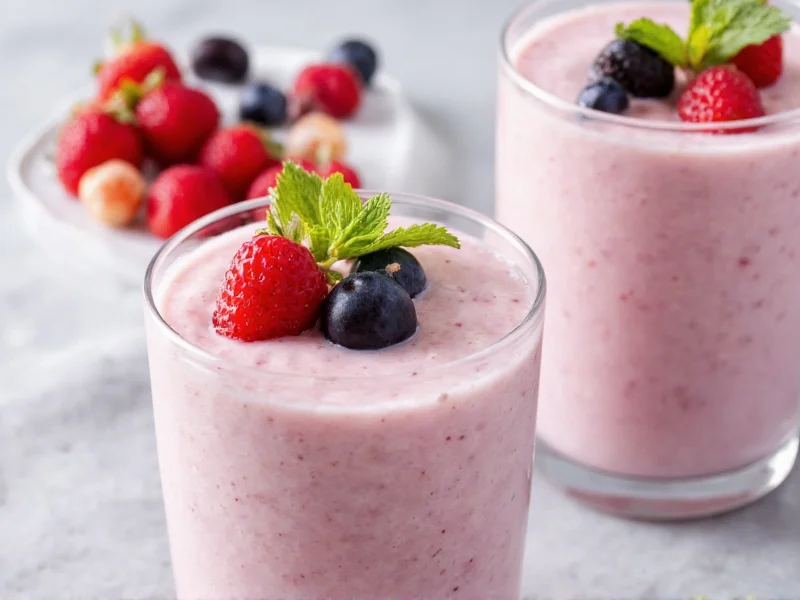
- Frozen pops: Mix with berries and freeze (probiotics survive freezing)
Safety First: Critical Best Practices
While kefir is generally safe, follow these evidence-based precautions:
- Always use pasteurized milk for first-time brewers to prevent pathogen competition
- Discard batches with mold (unlike kombucha, kefir shouldn't develop surface films)
- Start with small servings (2-4 oz) if new to probiotics to avoid digestive upset
- Store grains in milk in refrigerator between batches (never dry or in sugar water)
Frequently Asked Questions
Can I use non-dairy milk for kefir?
Yes, but with limitations. Coconut and soy milk work best, though grains won't multiply. Always refresh grains in dairy milk weekly to maintain viability. Non-dairy versions contain fewer probiotic strains.
How long do kefir grains last?
With proper care, kefir grains last indefinitely—some cultures thrive for decades. They multiply over time, allowing you to share or increase batch sizes. Store unused grains in fresh milk in the refrigerator for up to 3 weeks.
Why is my kefir too sour?
Over-fermentation causes excess sourness. Reduce brewing time to 24 hours, especially in warm environments. Strain immediately when liquid separates slightly from grains. Cooler room temperatures (65°-70°F) slow fermentation for milder flavor.
Does homemade kefir contain alcohol?
Yes, naturally—typically 0.5-2% alcohol by volume from fermentation. This is comparable to ripe fruit. Longer fermentation increases alcohol content slightly. For lowest levels, ferment 24 hours at cooler temperatures.





 浙公网安备
33010002000092号
浙公网安备
33010002000092号 浙B2-20120091-4