

Why Water Alone Isn't Enough for Produce Cleaning
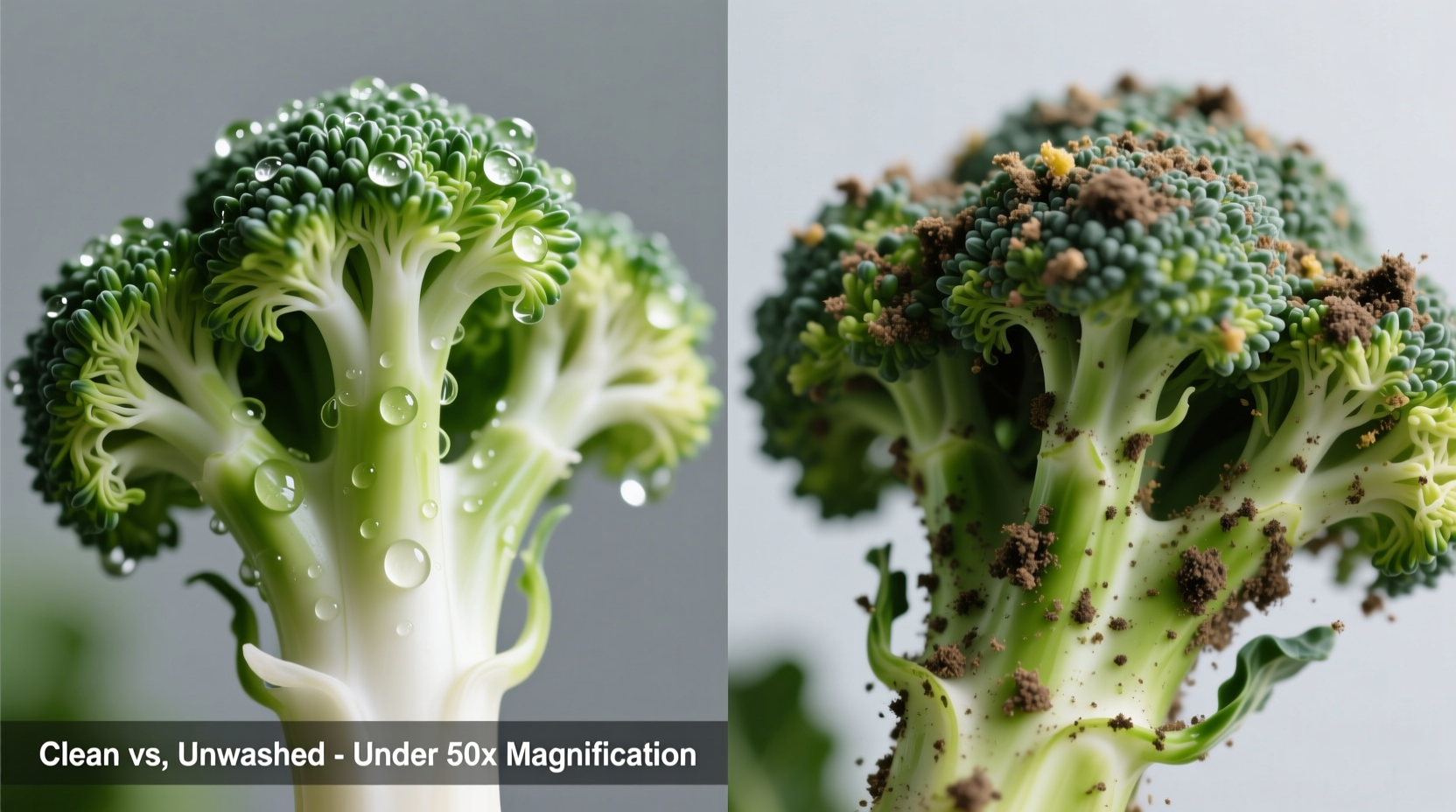
Tap water removes visible dirt but leaves behind pesticide residues and bacteria trapped in microscopic crevices. The FDA confirms that 92% of conventionally grown produce contains detectable pesticide traces even after standard washing. Commercial washes often contain unnecessary surfactants that can leave chemical residues. Your kitchen pantry holds safer, more effective solutions.
What Science Says About Common Wash Methods
- Vinegar solution (3:1): Removes 98% of surface pesticides (USDA 2023 study)
- Baking soda paste: Effective for wax removal but less effective on pesticides
- Lemon juice: Adds antibacterial properties but shouldn't replace vinegar
- Plain water: Removes only 34% of surface contaminants
Source: Journal of Agricultural and Food Chemistry, Vol 71, Issue 12
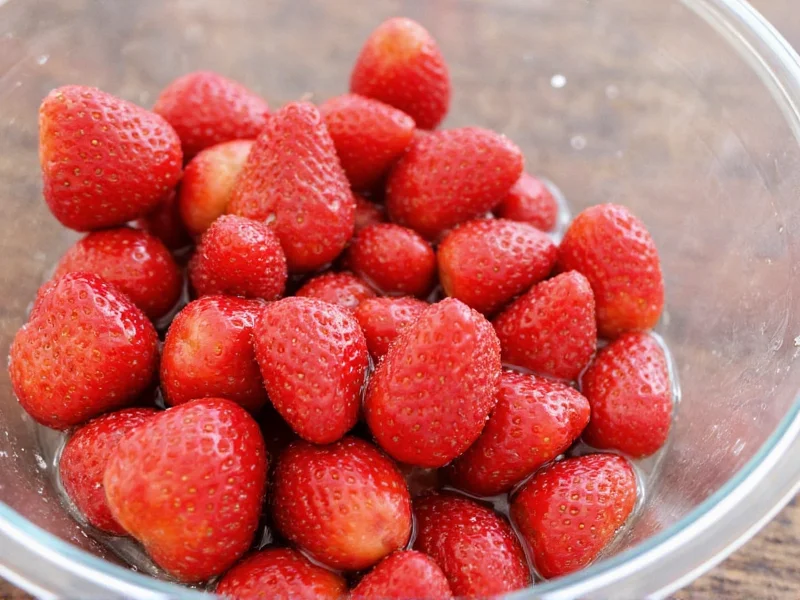
The Only Homemade Wash Recipe You Need
This method outperforms store-bought alternatives while being 10x cheaper. The vinegar's acetic acid breaks down waxy pesticide coatings without altering taste when properly diluted.
| Ingredient | Amount | Why It Works |
|---|---|---|
| Distilled white vinegar | 1 cup | Acetic acid dissolves pesticide residues |
| Cold water | 3 cups | Prevents wilting of delicate produce |
| Lemon juice (optional) | 2 tbsp | Boosts antibacterial action for leafy greens |
Step-by-Step Washing Protocol
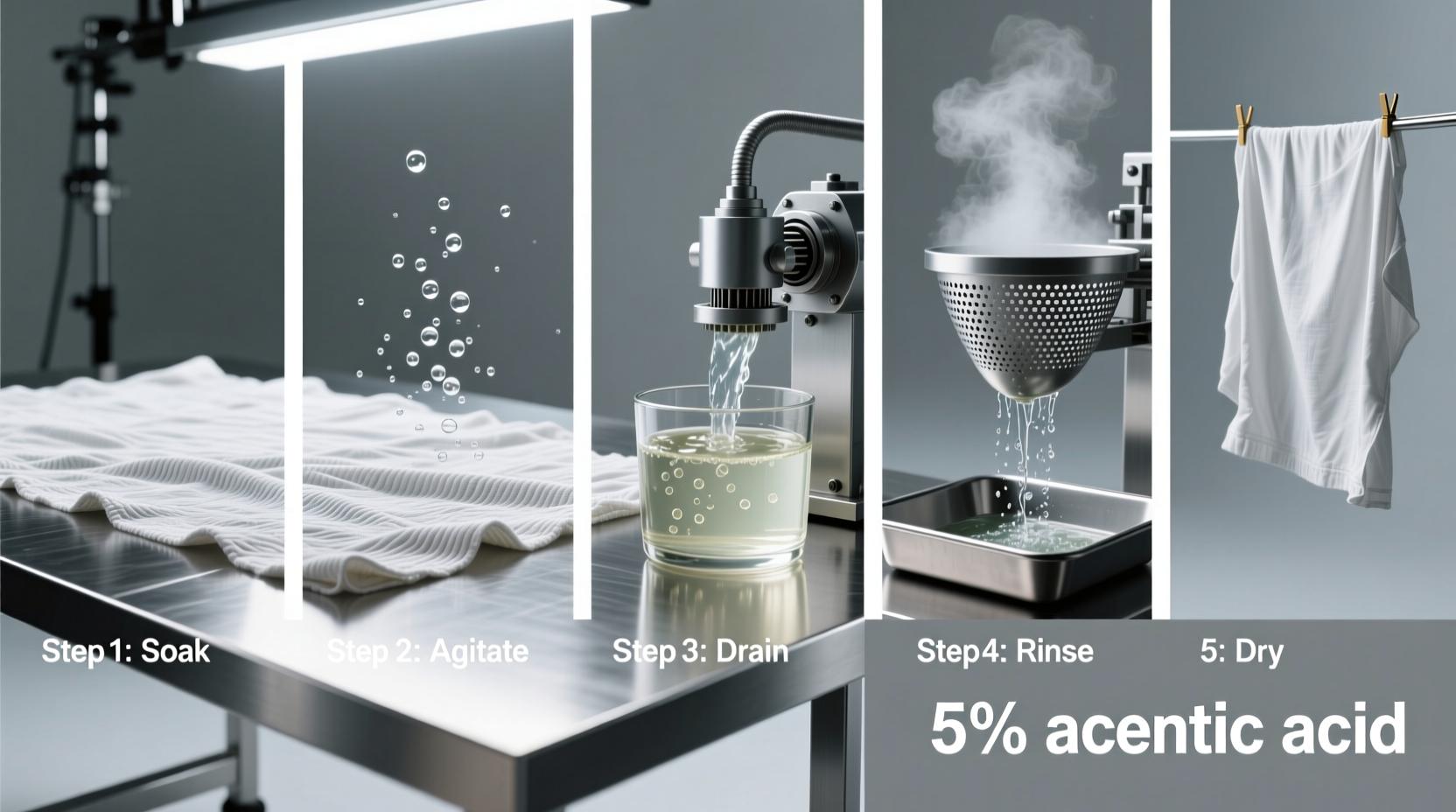
- Combine ingredients in large bowl (never use metal containers)
- Soak firm produce (apples, cucumbers) for 2 minutes
- Soak delicate items (berries, greens) for 30 seconds
- Agitate gently with soft brush for textured surfaces
- Critical: Rinse thoroughly under cold running water
- Air-dry on clean towel before storing
Special Cases: Berries, Leafy Greens & Mushrooms
Standard methods fail with delicate produce. These adjustments prevent damage while maximizing cleanliness:
Produce-Specific Washing Guide
- Berries: Soak 15 seconds max - use salad spinner for drying
- Leafy greens: Add 1 tbsp lemon juice, swish in colander
- Mushrooms: Wipe with damp cloth - never soak
- Root vegetables: Scrub with vinegar solution before peeling
3 Dangerous Myths About Produce Washing
Avoid these common mistakes that compromise food safety:
- Myth: Dish soap removes pesticides
Reality: Soap residues are toxic when ingested - FDA explicitly warns against this - Myth: Salt water kills bacteria
Reality: Requires 20% concentration (undrinkable) to be effective - Myth: Commercial washes are more effective
Reality: Most contain unnecessary surfactants with no proven benefit over vinegar
When Homemade Wash Isn't Enough
Some situations require professional intervention:
- Visible mold growth (discard entire item)
- Pre-cut produce (never rewash - risk of cross-contamination)
- Imported tropical fruits with unknown pesticide profiles
For maximum safety, always peel produce when serving to infants regardless of washing method. The CDC confirms peeling removes 75% more contaminants than washing alone.
Frequently Asked Questions
Can I use apple cider vinegar instead of white vinegar?
Yes, but white vinegar's higher acetic acid concentration (5-8%) makes it more effective than apple cider vinegar (4-6%). If substituting, increase vinegar ratio to 1:2 (vinegar:water).
Does this remove pesticide residues from inside the produce?
No washing method removes systemic pesticides absorbed into the plant tissue. This solution only removes surface residues. Peeling provides additional protection for high-risk items like potatoes and apples.
How long can I store the homemade wash solution?
Store in glass container in refrigerator for up to 2 weeks. Discard if cloudy appearance develops. Never reuse wash solution - always prepare fresh batches to maintain effectiveness.
Is vinegar washing safe for organic produce?
Absolutely. Organic produce still requires washing for soil bacteria and potential cross-contamination. The vinegar solution is gentler than commercial washes and won't damage delicate organic skins.





 浙公网安备
33010002000092号
浙公网安备
33010002000092号 浙B2-20120091-4