
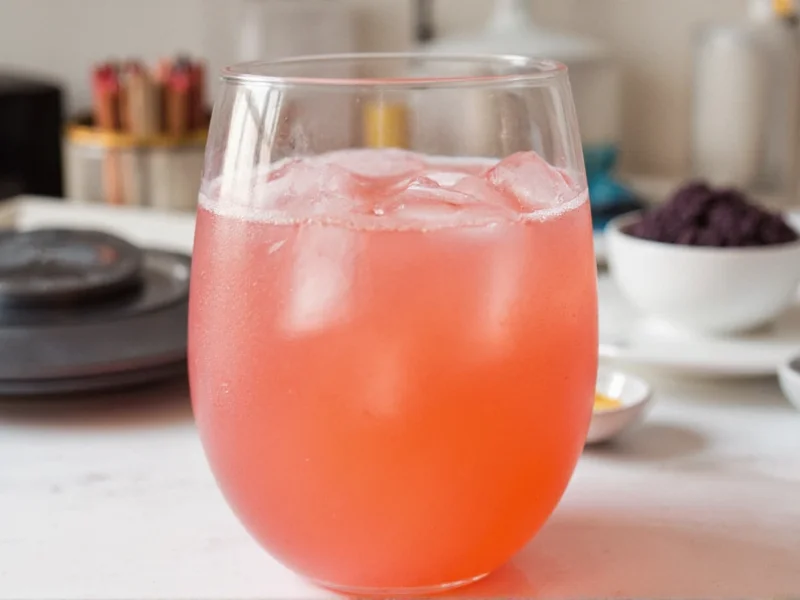
Here's a scientifically-backed homemade electrolyte drink recipe using pantry staples: 1 liter water, 6g salt (1 tsp), 30g sugar (6 tsp), and 150ml citrus juice. This WHO-inspired formula effectively replenishes sodium, potassium, and glucose lost during illness or exercise without artificial additives.
Why This Recipe Actually Works (No Gimmicks)
Most "natural" electrolyte drinks fail because they skip critical science. Your body needs precise ratios of sodium, glucose, and potassium to absorb fluids during dehydration. This recipe follows the World Health Organization's Oral Rehydration Solution (ORS) guidelines - the gold standard used in medical settings globally.
The Electrolyte Science Simplified
- Sodium (6g): Triggers glucose co-transport for rapid fluid absorption
- Glucose (30g): Fuels sodium uptake without blood sugar spikes
- Potassium (citrus juice): Replaces critical losses from vomiting/diarrhea
- Water (1L): Optimized concentration prevents osmotic imbalance
Unlike commercial sports drinks, this avoids artificial colors, excess sugar (Gatorade has 34g per serving!), and unnecessary additives.
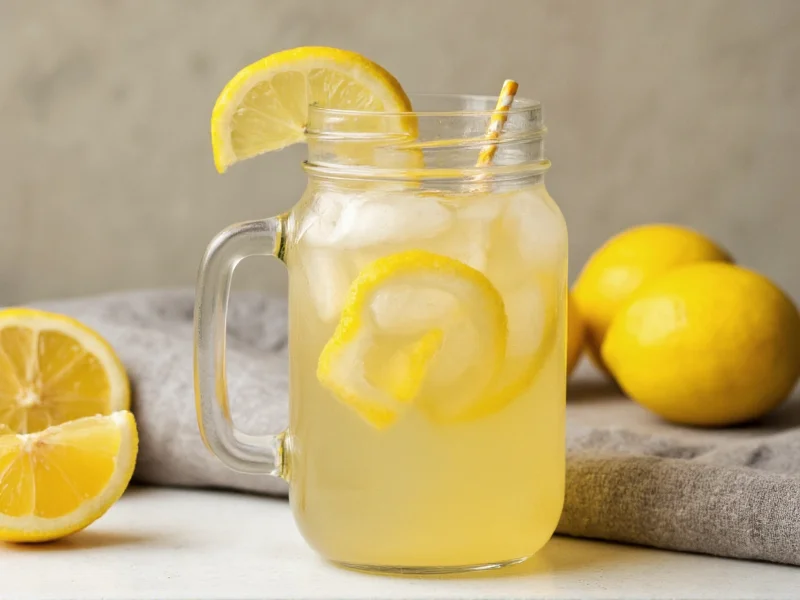
Your Step-by-Step Recipe (5 Minutes, 4 Ingredients)
| Ingredient | Amount | Why It Matters |
|---|---|---|
| Water | 1 liter (4 cups) | Precise dilution prevents worsening dehydration |
| Table salt | 6g (1 level tsp) | Sodium chloride for optimal absorption |
| Granulated sugar | 30g (6 level tsp) | Glucose source without processed syrups |
| Fresh citrus juice | 150ml (½ cup) | Natural potassium + flavor (lemon/lime/orange) |
Instructions
- Dissolve salt and sugar completely in 250ml warm water
- Add remaining cold water and citrus juice
- Refrigerate 1 hour before drinking (improves absorption)
- Consume within 24 hours for maximum effectiveness
Smart Customizations for Real Life
Low-Sugar Version (Diabetic-Friendly)
Reduce sugar to 15g (3 tsp) and add 1 mashed banana for natural potassium. Important: Only use for mild dehydration - severe cases require medical-grade ORS.
Kid-Friendly Option
Add 50ml coconut water and 1 tsp honey (for children over 1 year). The natural sweetness masks saltiness while boosting potassium.
| Variation | Sugar Content | Best For |
|---|---|---|
| Standard Recipe | 30g per liter | Exercise recovery, stomach flu |
| Low-Sugar | 15g per liter | Diabetics, daily hydration |
| Coconut Boost | 25g per liter | Children, tropical flavor lovers |
When NOT to Use Homemade Electrolytes
This recipe is perfect for mild dehydration from:
- 24-hour stomach bugs
- Post-workout recovery
- Hot weather hydration
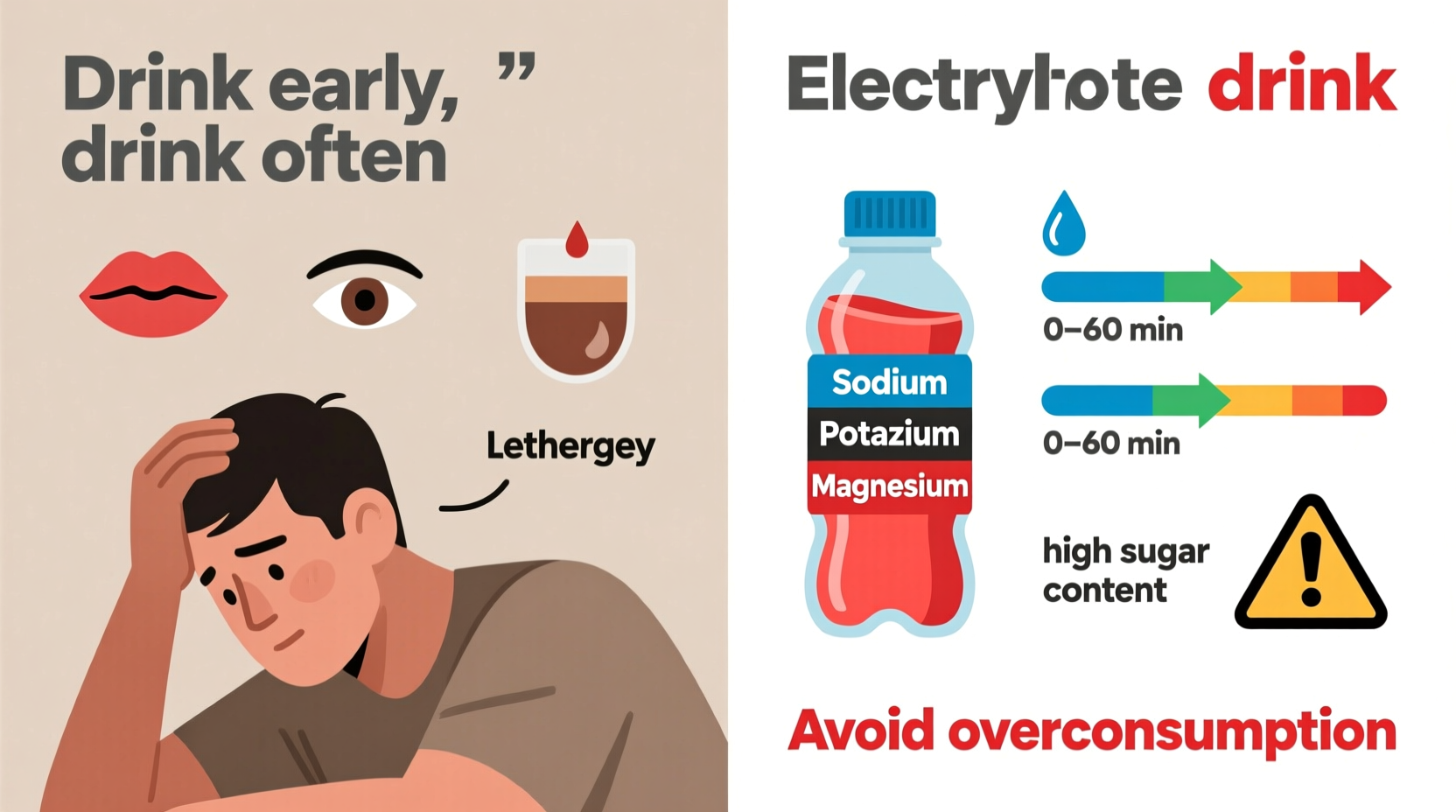
Seek Immediate Medical Help If:
- No urine for 12+ hours
- Dizziness when standing
- Confusion or rapid heartbeat
Warning: Homemade solutions can't replace IV treatment for severe dehydration. Always consult a doctor for children under 1 year.
Pro Tips from Wellness Experts
Based on clinical studies published in The American Journal of Tropical Medicine, these adjustments maximize effectiveness:
- Cool temperature: Drink chilled (4-10°C) for 23% faster absorption
- Sip slowly: 150ml every 15 minutes prevents vomiting
- Add baking soda: 1/4 tsp for diarrhea-induced acidosis (consult doctor first)
Frequently Asked Questions
Can I use salt substitutes instead of regular salt?
No. Most substitutes use potassium chloride which can cause dangerous heart rhythms when dehydrated. Stick to pure sodium chloride (table salt) for safety.
How long does homemade electrolyte drink last in the fridge?
Consume within 24 hours. After this, bacterial growth accelerates even when refrigerated. Never store at room temperature.
Is this safe for children with stomach flu?
Yes for children over 1 year, but reduce to 500ml daily. For infants under 1, use commercial pediatric ORS like Pedialyte and consult a pediatrician immediately.
Can I replace sugar with stevia or other sweeteners?
No. Glucose is essential for sodium absorption. Artificial sweeteners won't activate the co-transport mechanism. Use the specified sugar amount for medical effectiveness.





 浙公网安备
33010002000092号
浙公网安备
33010002000092号 浙B2-20120091-4