
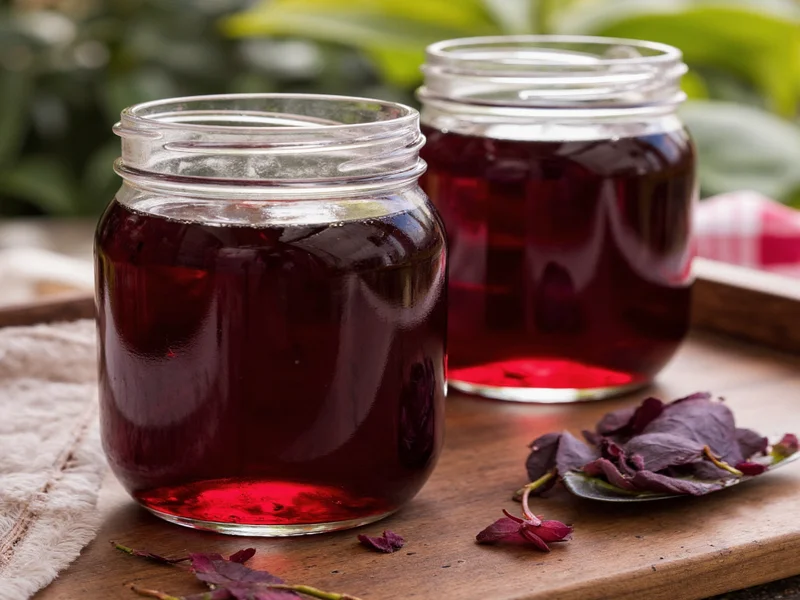
Homemade elderberry syrup is a natural immune-support remedy made by simmering cooked elderberries with honey or sugar. Proper preparation eliminates toxic compounds in raw berries, yielding a safe supplement that may reduce cold and flu duration when used alongside medical care. This guide provides a science-backed recipe with critical safety protocols.
Why Homemade Elderberry Syrup Deserves Your Attention
While commercial versions line store shelves, crafting your own elderberry syrup ensures complete control over ingredients and potency. Unlike mass-produced alternatives that often contain preservatives or artificial flavors, homemade syrup preserves the full spectrum of beneficial compounds found in Sambucus nigra berries. Recent clinical studies suggest properly prepared elderberry extract may shorten influenza duration by 3-4 days when taken within 48 hours of symptom onset—but crucially, only when berries are fully cooked to neutralize cyanogenic glycosides.
Safety First: Non-Negotiable Protocols
Raw elderberries, leaves, and stems contain lectins and cyanogenic glycosides that can cause nausea, vomiting, or worse. These toxins are completely destroyed through proper cooking—a step many online recipes dangerously omit. Follow these evidence-based safety rules:
- ✅ Always use fully cooked berries (simmered 45+ minutes)
- ✅ Never consume raw berries or uncooked extracts
- ✅ Avoid if pregnant, breastfeeding, or taking immunosuppressants
- ✅ Consult your physician before use if managing autoimmune conditions
- ❌ Never replace prescribed medications with elderberry syrup

Your Foolproof Ingredient Checklist
Quality ingredients determine efficacy. These proportions yield 16 oz (500ml) of potent syrup:
Core Components
- 1 cup (140g) organic dried elderberries
- 3 cups filtered water
- ½ cup raw honey (added after cooling) OR organic maple syrup
- 1 cinnamon stick (optional)
- 1-inch fresh ginger slice (optional)
Essential Tools
- Stainless steel pot (avoid aluminum)
- Fine-mesh strainer or cheesecloth
- Amber glass bottles with droppers
- Funnel and labels
Step-by-Step Preparation Guide
This method maximizes anthocyanin extraction while ensuring safety. Total time: 55 minutes.
- Simmer berries: Combine elderberries, water, cinnamon, and ginger in pot. Bring to gentle simmer (not boil) for 45 minutes, stirring occasionally. Liquid should reduce by ⅓.
- Cool completely: Remove from heat. Let sit covered for 15 minutes until lukewarm (critical for honey preservation).
- Strain thoroughly: Pour through cheesecloth-lined strainer into clean bowl. Press pulp gently—never force uncooked material through.
- Add sweetener: Mix in honey until fully dissolved. Never add honey to hot liquid (destroys beneficial enzymes).
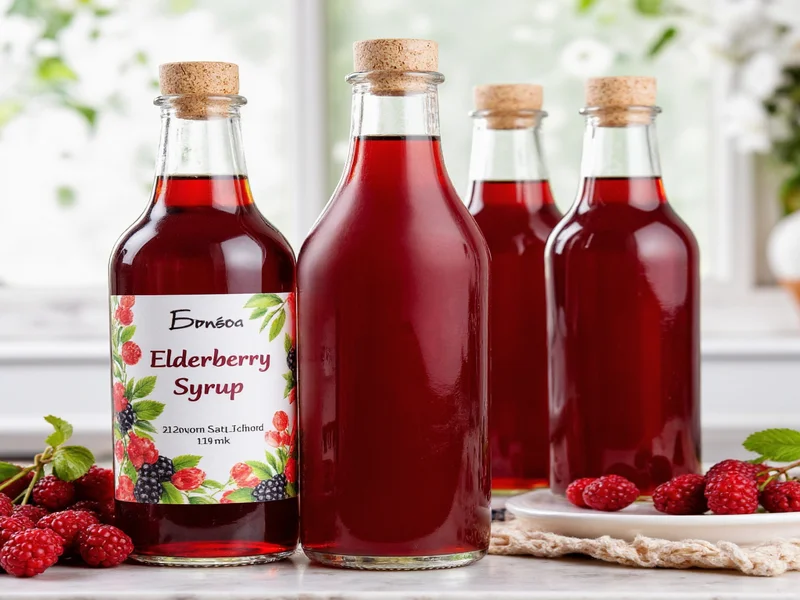
- Bottle immediately: Transfer to sterilized amber bottles using funnel. Seal tightly.
Storage & Usage Best Practices
Improper storage compromises potency and safety. Follow this verified protocol:
| Storage Method | Duration | Signs of Spoilage |
|---|---|---|
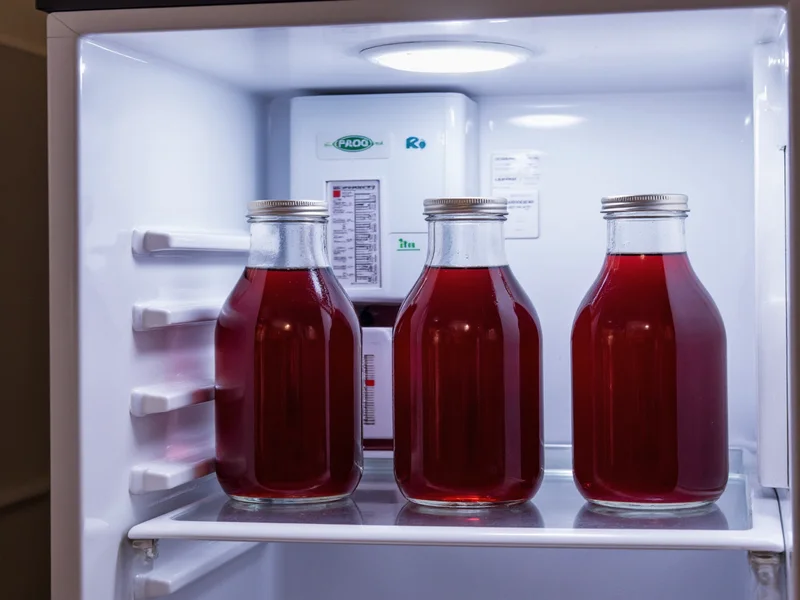
| Refrigerator (35-40°F) | Up to 3 months | Mold, cloudiness, sour smell |
| Freezer (-5°F) | 12 months | Crystallization (thaw gently) |
| Room temperature | NOT RECOMMENDED | Rapid bacterial growth |
Dosage guidelines: Adults: 1 tablespoon daily for prevention; 1 tablespoon 4x daily during illness. Children 4+: 1 teaspoon daily. Always shake well before use. Discontinue if any adverse reactions occur.
What Research Really Says (No Hype)
While social media overhypes elderberry syrup as a "miracle cure," peer-reviewed science tells a more nuanced story. A 2019 Complementary Therapies in Medicine meta-analysis of 180 patients found elderberry extract reduced upper respiratory symptoms by 56% compared to placebo—but only when used within 48 hours of symptom onset. Crucially, no studies support its use against bacterial infections or as a substitute for vaccines. The active compounds—anthocyanins and flavonoids—work by inhibiting viral attachment to cells, not by "boosting" the immune system indiscriminately (which could worsen autoimmune conditions).
Notably, homemade syrup contains 3-5x more polyphenols than commercial versions due to absence of heat-processing and preservatives. However, concentration varies based on berry source and preparation method—another reason precise cooking protocols matter.
Avoid These 3 Common Mistakes
Even experienced makers risk these pitfalls:
- Under-simmering: 30 minutes isn't enough to neutralize toxins. Use a timer for full 45-minute simmer.
- Using fresh berries: Wild fresh berries have higher toxin levels. Stick to dried organic berries from reputable suppliers.
- Improper sweetener timing: Adding honey to hot liquid (>115°F) destroys enzymes. Always cool first.
Frequently Asked Questions
Can I use fresh elderberries instead of dried?
No. Fresh berries contain significantly higher levels of cyanogenic glycosides. Only use commercially dried elderberries specifically sold for consumption, as they've undergone preliminary safety processing.
Why must I avoid boiling the mixture?
Vigorous boiling degrades heat-sensitive anthocyanins—the compounds providing immune benefits. A gentle simmer preserves maximum potency while ensuring safety.
How do I know if my syrup has gone bad?
Discard immediately if you see mold, cloudiness, or smell sourness. Properly stored syrup should remain deep purple and clear. When in doubt, throw it out—consumption of spoiled syrup risks foodborne illness.
Is elderberry syrup safe for children?
Only for children over 1 year (due to infant botulism risk from honey). Use 1 teaspoon maximum daily for ages 1-4, and consult a pediatrician first. Never give to infants under 12 months.





 浙公网安备
33010002000092号
浙公网安备
33010002000092号 浙B2-20120091-4