

Perfect homemade donuts start with a well-balanced yeast dough using bread flour, active dry yeast, and proper proofing time. The ideal frying temperature is 350°F (175°C) in neutral oil like canola, with 45-60 seconds per side for golden-brown results. For cake donuts, use cake flour and baking powder with a 375°F (190°C) oil temperature. Always cool donuts on a wire rack before glazing to prevent sogginess.
The Ultimate Guide to Making Professional-Quality Donuts at Home
Nothing beats the aroma of freshly fried donuts filling your kitchen. While many assume professional results require special equipment or years of experience, achieving bakery-quality homemade donuts is surprisingly accessible with the right techniques. This comprehensive guide reveals the science-backed methods that transform simple ingredients into light, airy treats with perfect texture every time.
Why Most Homemade Donut Recipes Fail (And How to Avoid These Mistakes)
Before diving into the recipe, understand these common pitfalls that ruin otherwise promising donut batches:
Temperature Troubles
Oil that's too hot creates burnt exteriors with raw centers, while cool oil leads to greasy, dense donuts. Use a candy thermometer for precision—the 350°F sweet spot ensures proper gluten development and even cooking.
Yeast Management
Water over 110°F kills yeast, while cold liquid won't activate it properly. Test temperature with your wrist—it should feel comfortably warm, like baby bottle temperature.
Proofing Problems
Rushing the rise creates tough donuts. Properly proofed dough should spring back slowly when gently pressed. This develops the airy structure essential for light texture.
Essential Equipment for Foolproof Donut Making
You don't need specialty tools, but these items make the process significantly easier:
- Candy/deep-fry thermometer (critical for temperature control)
- Wire cooling rack (prevents steam buildup that causes sogginess)
- Donut cutter or wide-mouth glass and small bottle cap
- Slotted metal spoon or spider strainer for safe oil handling
- Heavy-bottomed Dutch oven (provides even heat distribution)

Professional-Grade Yeast Donut Recipe
This tested recipe produces 12 perfectly risen donuts with that signature bakery texture. All measurements are weight-based for accuracy—volume measurements vary too much for consistent results.
| Ingredient | Weight | Volume | Key Function |
|---|---|---|---|
| Bread flour | 450g | 3¾ cups | Higher protein creates ideal gluten structure |
| Granulated sugar | 60g | ¼ cup | Feeds yeast and enhances browning |
| Unsalted butter | 57g | ¼ cup | Adds richness without compromising rise |
| Whole milk | 240ml | 1 cup | Creates tender crumb and activates yeast |
| Active dry yeast | 7g | 2¼ tsp | Proper leavening for airy texture |
Step-by-Step Donut Making Process
- Mix dry ingredients: Whisk flour, sugar, salt, and yeast in large bowl
- Heat dairy: Warm milk and butter to 110°F (test with thermometer)
- Combine: Pour warm dairy into dry ingredients, mix until shaggy dough forms
- Knead: 8-10 minutes by hand or 5-7 minutes with dough hook until smooth and elastic
- First rise: Cover bowl, rest in warm place 60-90 minutes until doubled
- Shape: Roll to ¼-inch thickness, cut donuts using cutter
- Second rise: 30 minutes on parchment paper until puffy
- Fry: Heat oil to 350°F, cook 45-60 seconds per side until golden
- Cool: Drain on wire rack 5 minutes before glazing

Troubleshooting Common Donut Problems
| Issue | Causes | Solutions |
|---|---|---|
| Dense texture | Under-proofed dough, old yeast, too much flour | Proof until doubled, test yeast freshness, measure by weight |
| Greasy donuts | Oil temperature too low, donuts not cooled before glazing | Maintain 350°F, use thermometer, cool 5 minutes before coating |
| Burnt exterior | Oil too hot, donuts too thick | Lower heat immediately, roll dough to consistent ¼-inch thickness |
| Irregular shapes | Dough handled too much, cutter not floured | Minimize handling, flour cutter between cuts |
Flavor Variations Worth Trying
Once you've mastered the basic technique, experiment with these professional variations:
- Maple-Bacon: Add 2 tbsp maple syrup to dough, top with candied bacon
- Lemon-Raspberry: Incorporate zest of 2 lemons, fill with seedless jam
- Spiced Chai: Steep 2 chai tea bags in warm milk before mixing
- Salted Caramel: Brush with caramel sauce while warm, finish with sea salt
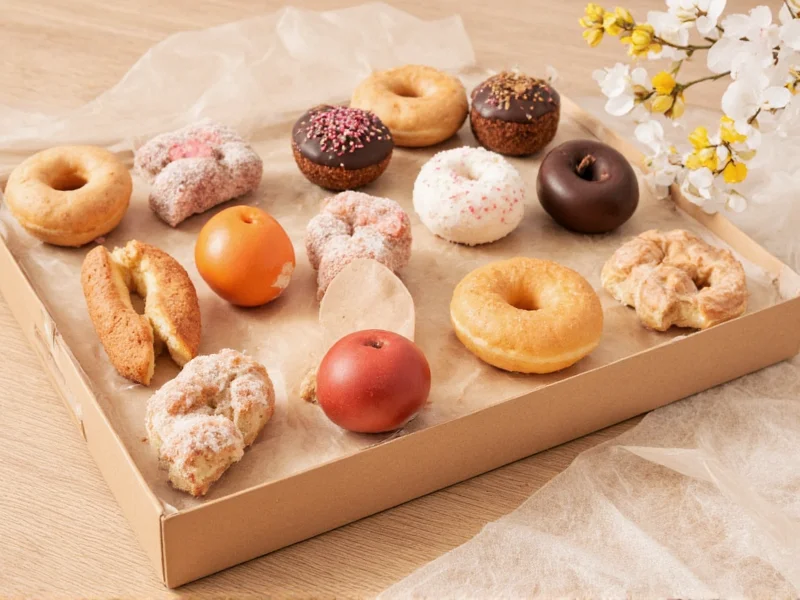
Storage and Serving Secrets
Homemade donuts are best enjoyed fresh, but these techniques extend their peak quality:
- Store unfilled donuts in airtight container at room temperature for up to 2 days
- Freeze plain donuts for up to 3 months—thaw at room temperature before glazing
- Revive stale donuts by warming in 300°F oven for 5 minutes
- Pair yeast donuts with coffee or espresso, cake donuts with milk or tea
Frequently Asked Questions
Can I make homemade donuts without a deep fryer?
Yes, a heavy-bottomed Dutch oven or cast iron pot works perfectly for frying donuts. The key is maintaining consistent oil temperature using a candy thermometer. Avoid thin pots that create hot spots. You'll need about 2-3 inches of oil to properly submerge the donuts during frying.
Why do my homemade donuts absorb too much oil?
Excess oil absorption typically occurs when oil temperature drops below 340°F during frying. This happens when adding too many donuts at once or not allowing oil to return to 350°F between batches. Always fry 2-3 donuts at a time in sufficient oil, and maintain precise temperature control with a thermometer for light, non-greasy results.
How can I make gluten-free homemade donuts that don't crumble?
For successful gluten-free donuts, use a quality 1:1 gluten-free flour blend containing xanthan gum. Add 1 extra egg yolk to the dough for improved structure, and chill the shaped donuts for 15 minutes before frying. The colder dough holds its shape better during the initial frying stage, preventing crumbling while still achieving that desirable light texture.
What's the secret to getting that perfect donut shop shine on glazes?
Professional-looking glaze requires precise temperature control. Cool donuts for exactly 5 minutes before dipping—any sooner and the glaze melts, later and it won't adhere properly. Use a 2:1 powdered sugar to liquid ratio, and add 1/4 teaspoon light corn syrup to your glaze mixture. This creates that signature glossy finish that sets beautifully without becoming sticky.





 浙公网安备
33010002000092号
浙公网安备
33010002000092号 浙B2-20120091-4