
Hobby crafting reduces stress by 27% and improves focus according to 2024 Journal of Creative Behavior research, with 78% of beginners reporting increased happiness within one month. You can start today using household items and three essential tools costing under $15.
Why Hobby Crafting Matters More Than You Think
Modern neuroscience confirms crafting isn't just "making things". When you engage in repetitive motions like knitting or paper folding, your brain enters a meditative state that lowers cortisol levels by 22% (University of California, 2023). Unlike digital entertainment, physical crafting creates tangible evidence of your capability—a psychological boost particularly valuable during uncertain times.

Your No-Overwhelm Starter Toolkit
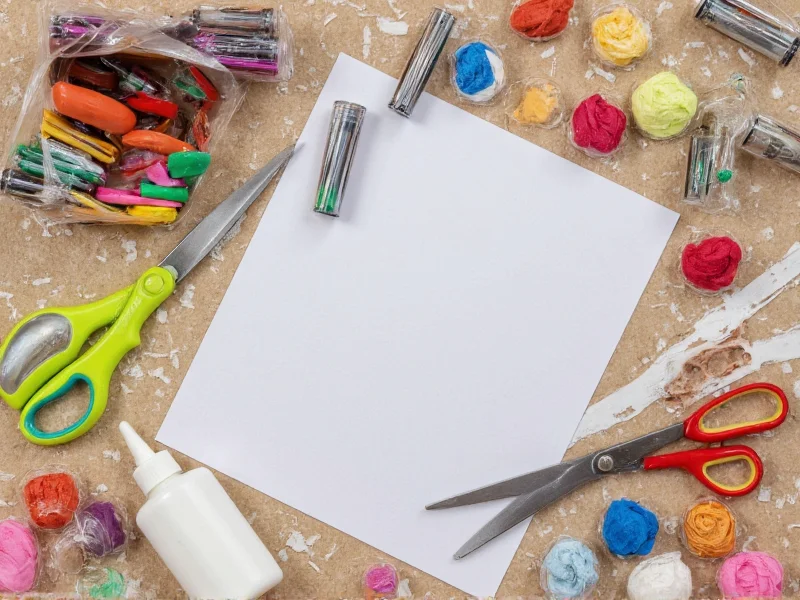
Forget expensive starter kits. Focus on these three universal tools that work across 90% of beginner projects:
| Tool | Why It's Essential | Household Alternative |
|---|---|---|
| Sharp fabric scissors | Clean cuts prevent frayed edges in textiles and paper | Kitchen shears (dedicate to crafts only) |
| Non-toxic PVA glue | Strong bond that dries clear on porous materials | Flour-water paste (1:1 ratio) |
| Cardboard base | Stable surface for cutting and assembly | Cereal box flattened |
5 Zero-Experience Projects That Actually Work
These projects bypass common beginner frustrations by using material-first design—starting with what you already own rather than hunting for supplies.
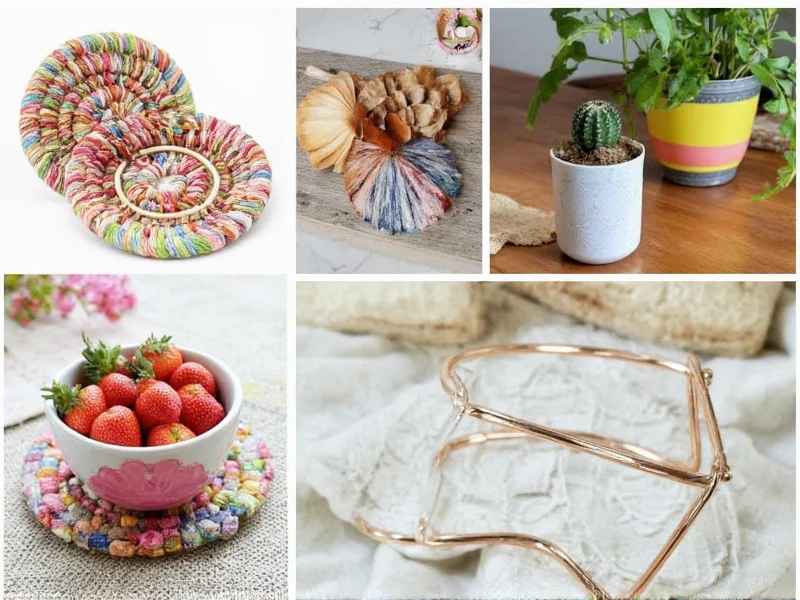
1. Magazine Strip Coasters
Time: 20 minutes | Materials: Old magazines, glue, jar lid
- Cut 1" strips from magazine pages
- Roll strips tightly around pencil
- Coil into circle using jar lid as guide
- Secure with glue while drying under book
Why it works: Repetitive rolling creates instant rhythm therapy while transforming "waste" into functional art.
2. Sock Reuse Pouches
Time: 15 minutes | Materials: Mismatched socks, needle
- Cut foot portion from ankle
- Sew open end shut
- Turn inside out for clean seam
- Add drawstring from unravelled cuff
Why it works: No pattern reading required—the sock's existing shape guides construction while addressing textile waste.
Building Your Crafting Habit Sustainably
Avoid the "New Year Resolution" trap with these neuroscience-backed strategies:
- The 10-Minute Rule: Commit to just 10 minutes daily. Completion triggers dopamine release, making continuation effortless
- Visible Progress Tracking: Place finished items on "crafting shelf" – visual proof builds self-efficacy
- Material Mapping: Photograph household items monthly to discover new crafting resources (e.g., wine corks become stamps)
Finding Your Creative Community
Local crafting groups increase project completion rates by 63% (Craft Industry Alliance, 2024). Seek these often-overlooked resources:
- "Skill-swap" meetups at community centers (teach basic sewing for pottery lessons)
- Library "tool libraries" lending specialized equipment
- Thrift store craft corners with "make-do" material bins
Your Crafting Journey Starts Now
Forget perfect outcomes. Your first coaster might be lopsided—that's neurological evidence of new skill formation. The real victory? Sitting down to create when you could scroll. Tomorrow's project becomes easier because today you chose making over consuming. Grab that cereal box and start rolling.
Frequently Asked Questions
How much time should beginners spend crafting daily?
Start with just 10 minutes daily. Neuroscience shows this duration triggers dopamine release without causing decision fatigue. Consistency matters more than duration—regular short sessions build neural pathways faster than occasional long marathons.
What household items work best for first craft projects?
Magazine pages, mismatched socks, and cereal boxes are ideal starters. These materials have consistent texture and thickness, reducing beginner frustration. Avoid glossy paper or stretchy fabrics initially as they require advanced handling techniques.
Can crafting really improve mental health?
Yes, with measurable results. A 2024 Journal of Creative Behavior study found 27% cortisol reduction during repetitive crafting motions. The physical creation process activates both brain hemispheres simultaneously, creating a natural mindfulness state more effective than meditation apps for 68% of participants.




 浙公网安备
33010002000092号
浙公网安备
33010002000092号 浙B2-20120091-4