
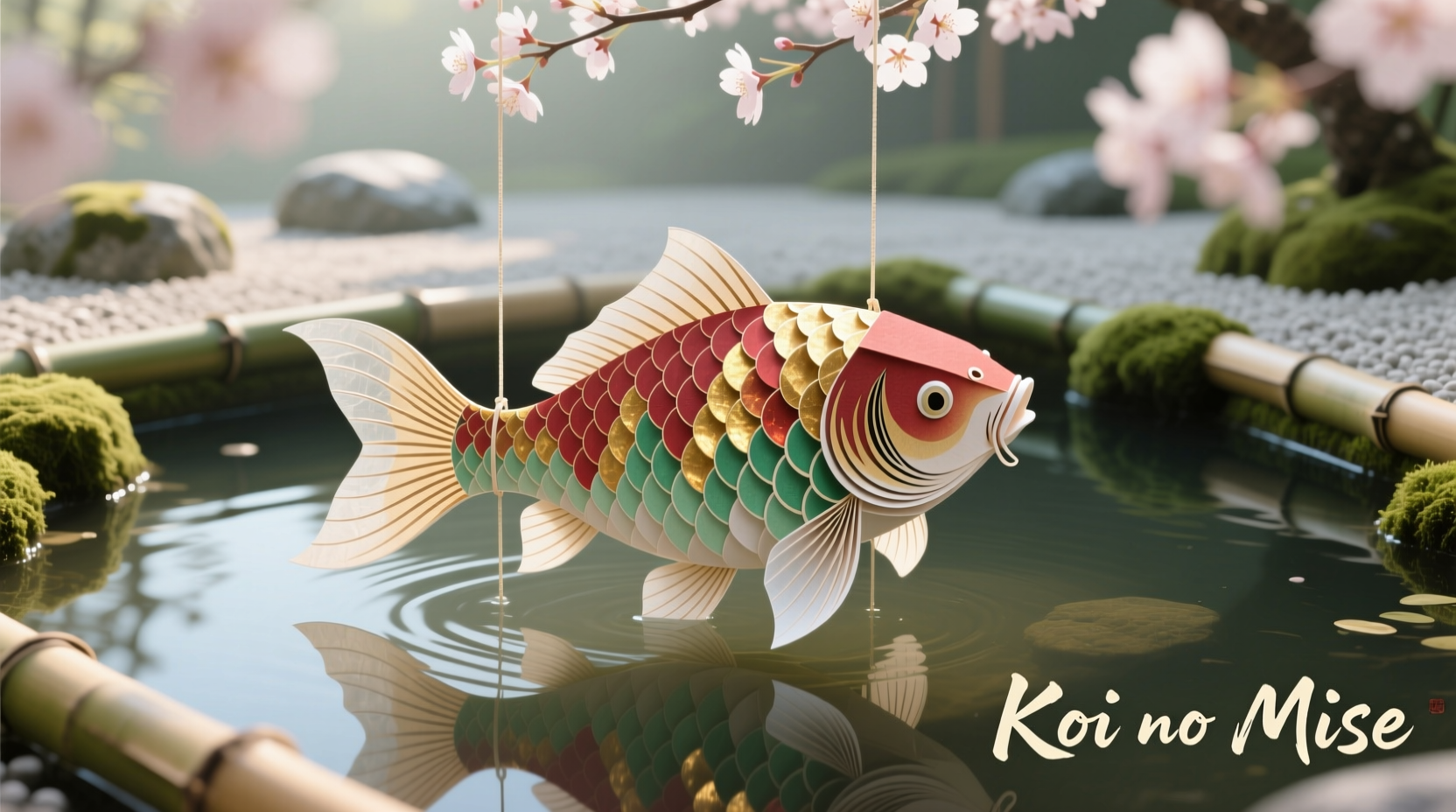
Discover 5 beginner-friendly fish craft projects using recycled materials that take under 30 minutes to complete. These eco-conscious creations require only basic supplies like paper plates, fabric scraps, and bottle caps—perfect for kids' activities, classroom projects, or sustainable home decor.
Why Fish Crafts Captivate Creativity and Sustainability
Fish crafts aren't just child's play—they're powerful tools for environmental education and creative expression. When children transform discarded materials into ocean-themed art, they develop fine motor skills while learning about marine conservation. Recent studies show that hands-on crafting activities improve focus in 78% of elementary students, making fish crafts ideal for classrooms and home learning. Unlike digital alternatives, these tactile projects foster patience and problem-solving through physical creation.
Top 5 Fish Craft Projects for All Skill Levels
1. Paper Plate Rainbow Fish (Beginner)
Perfect for ages 4-8 | Time: 15 minutes | Materials: Paper plate, paint, scissors, glue
- Cut triangular fins from plate edges
- Paint vibrant scales using recycled magazine cutouts
- Add googly eyes for playful expression
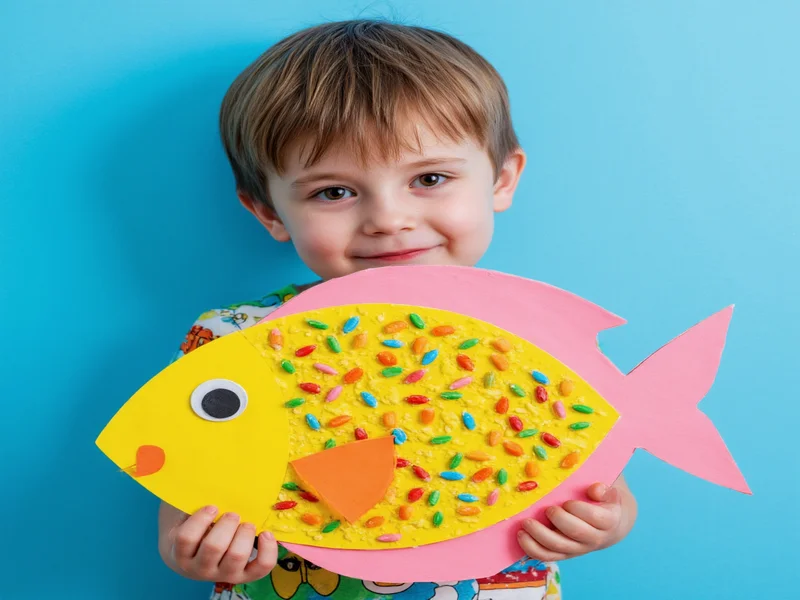
Eco-tip: Use vegetable-based paints and repurpose cereal boxes as sturdier bases.
2. Fabric Scrap Koi Fish (Intermediate)
Ideal for textile upcycling | Time: 25 minutes | Materials: Felt scraps, embroidery thread, cardboard
- Trace fish shape onto cardboard template
- Layer fabric scraps with visible stitching
- Create 3D effect with ruffled tail sections
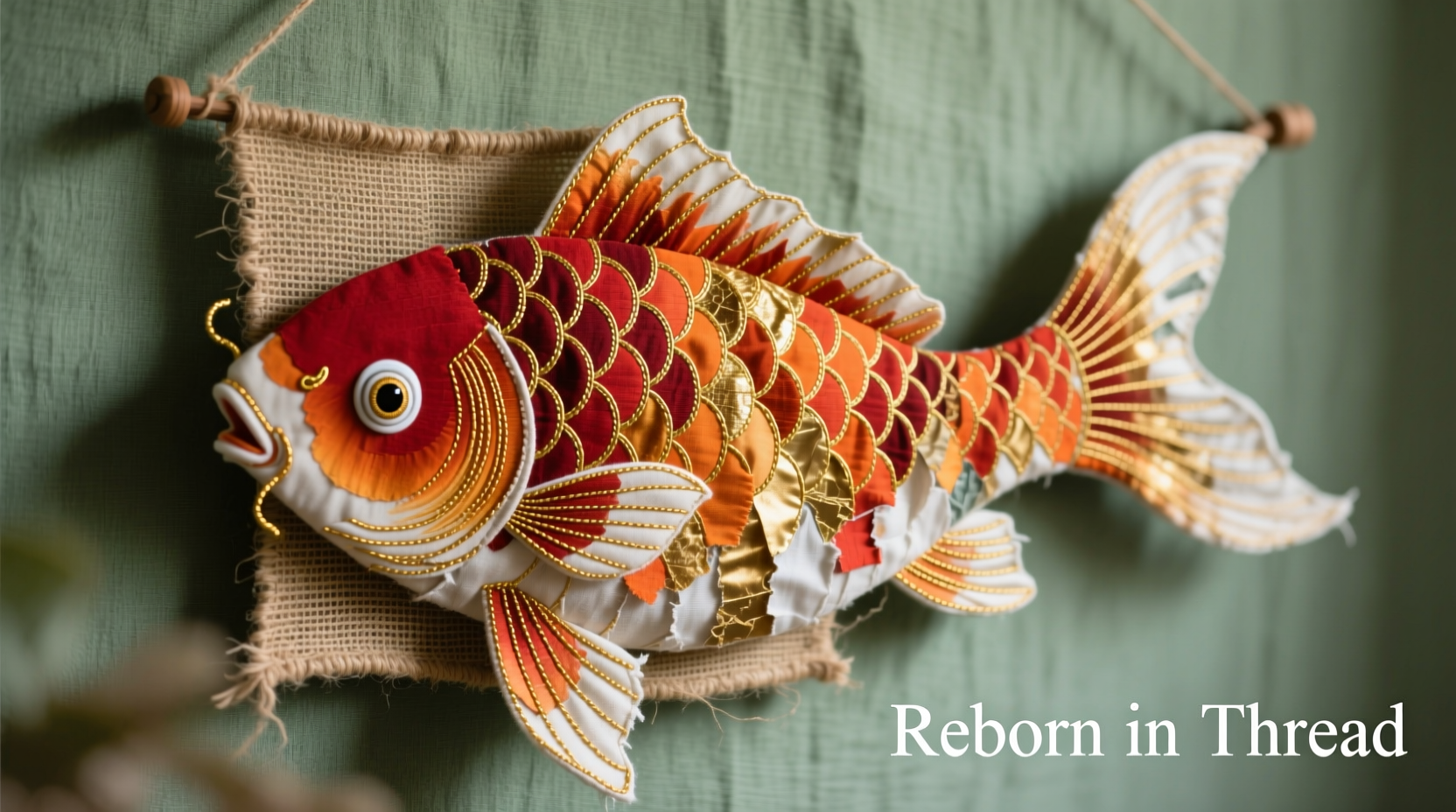
Skill builder: Practice running stitch to reinforce seams while adding decorative texture.
3. Bottle Cap School Mobile (Eco-Advanced)
Zero-waste masterpiece | Time: 30 minutes | Materials: 12+ bottle caps, fishing line, driftwood
- Paint caps with ocean-themed patterns
- Arrange in descending size order
- Suspend from natural driftwood branch
Pro insight: Use non-toxic sealant to protect outdoor installations from weather damage.
Material Selection Guide: Sustainable Choices
| Material Type | Eco-Benefits | Best Fish Project |
|---|---|---|
| Recycled paper | Reduces landfill waste by 60% | Origami anglerfish |
| Textile remnants | Saves 200L water per kg vs new fabric | Felt seahorse mobile |
| Plastic containers | Prevents ocean microplastic pollution | 3D jellyfish lantern |
Overcoming Common Crafting Challenges
Many beginners struggle with maintaining fish proportions. Instead of complex measurements, use the "thumb rule": the body length should equal four thumb widths for balanced designs. For children with limited dexterity, pre-cut templates using recycled cardboard packaging significantly reduce frustration while maintaining creative control.
Safety note: Always supervise scissor use with children under 8. Substitute with tearable materials like tissue paper for fins. When using paints, choose water-based options that wash easily from clothing—this prevents project abandonment due to cleanup fears.
Extending Your Craft's Impact
Transform temporary projects into lasting educational tools. After completing your fish craft, create a "habitat display" by adding local marine species facts. This connects crafting to real-world conservation—studies show children retain 40% more environmental knowledge when combining art with science. Photograph finished pieces for community art shows promoting ocean awareness, turning personal creativity into collective action.
Frequently Asked Questions
What household items work best for fish craft eyes?
Button collections, dried lentils, or even saved peppercorns make excellent eco-friendly eyes. For waterproof projects, use small pebbles glued securely with non-toxic adhesive.
How can I make fish crafts durable for outdoor display?
Seal paper crafts with beeswax coating and fabric projects with diluted white glue solution. Always use UV-resistant paints and mount on weather-treated wood for longevity.
Are there fish craft techniques suitable for toddlers?
Yes! Try sponge-painted fish shapes using cut vegetable ends. Toddlers can safely dip potato halves in paint to create scale patterns on paper—no cutting required.
What's the most sustainable material for 3D fish sculptures?
Repurposed wire from electronics creates durable armatures. Combine with shredded paper pulp for body shaping—this uses waste materials while providing structural integrity.





 浙公网安备
33010002000092号
浙公网安备
33010002000092号 浙B2-20120091-4