
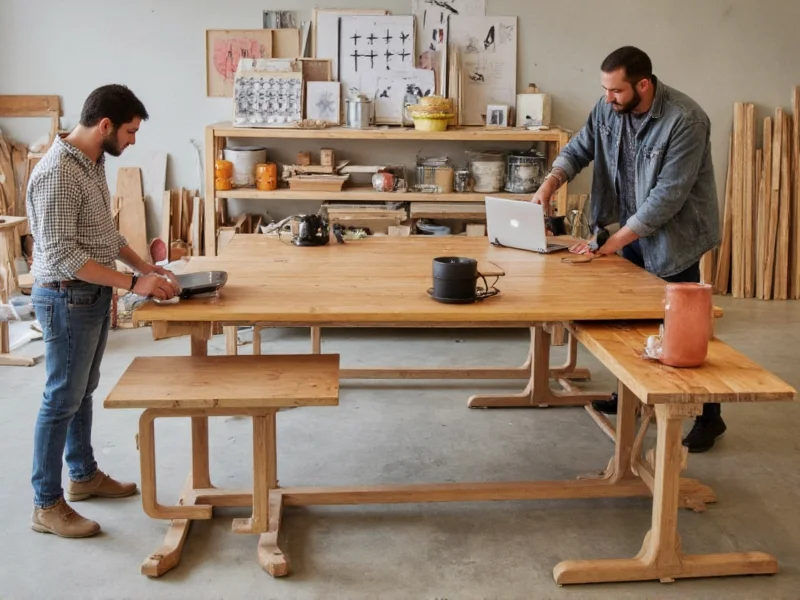
Looking for hands-on DIY workshops near you? This guide reveals 5 proven methods to find local crafting classes—from woodworking to upcycling—plus key factors to evaluate quality, cost, and suitability for beginners. Discover how to locate sessions within 10 miles of your location with verified instructor expertise.
Why Local DIY Workshops Beat Online Tutorials
While YouTube tutorials have their place, in-person workshops offer irreplaceable benefits. You gain immediate feedback on technique, access to specialized tools you wouldn't own at home, and build community with fellow makers. Studies show hands-on learning increases skill retention by 75% compared to video-only instruction. For beginners especially, correcting posture in pottery throwing or saw handling in woodworking prevents bad habits before they form.
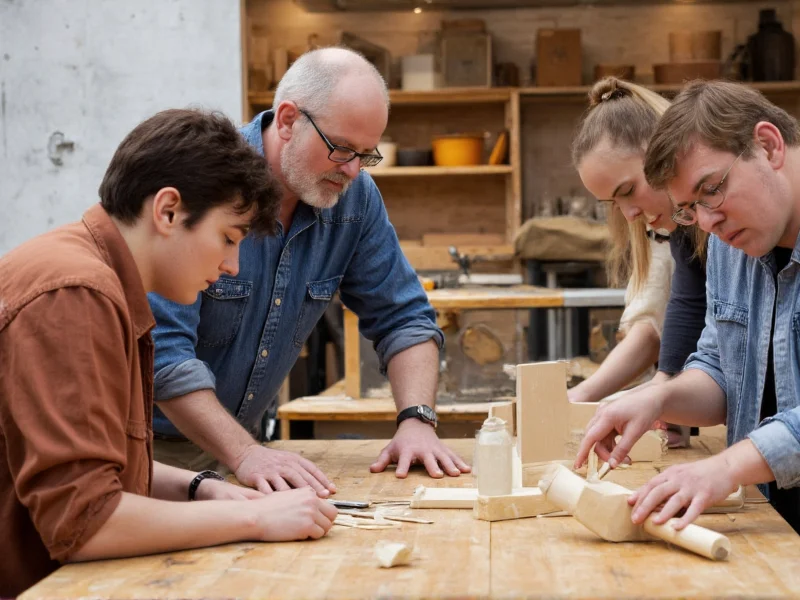
Top 5 DIY Workshop Types Available Locally
Most communities offer these popular formats. Check availability using the search methods below:
| Workshop Type | Beginner-Friendly? | Average Cost (2-3 hrs) | Materials Typically Included |
|---|---|---|---|
| Reclaimed Wood Furniture | Yes | $45-$75 | Lumber, safety gear, basic tools |
| Textile Upcycling | Highly | $30-$60 | Fabric scraps, needles, thread |
| Resin Art & Home Decor | Moderate | $55-$85 | Resin, pigments, molds |
| Pottery Wheel Throwing | No (requires practice) | $65-$100 | Clay, glazes, kiln access |
How to Find Quality Workshops Within 10 Miles
Stop scrolling through unreliable listings. These verified methods yield the best local options:
1. Google Maps' "Near Me" Power Search
Use precise search strings like "beginner woodworking workshop near me" instead of generic terms. Then:
- Filter by 4+ star ratings (ignore 5-star-only reviews as they're often suspicious)
- Check "Popular Times" to avoid overcrowded sessions
- Message organizers directly through Maps for class availability
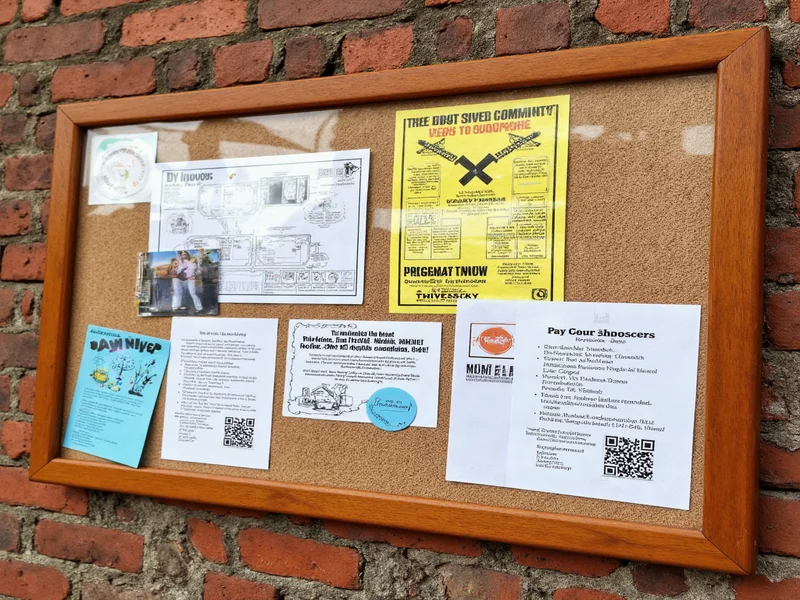
2. Community Bulletin Board Deep Dive
Physical boards at libraries, co-ops, and coffee shops list workshops missed by algorithms. Look for:
- Hand-drawn flyers with QR codes (indicates personal involvement)
- Recurring event dates (proves sustainability)
- Local artist signatures (vs. corporate logos)
3. Skill-Swap Platforms Beyond Facebook
Try these underused resources:
- Nextdoor Events: Filter for "hands-on" + your craft interest
- Meetup Pro: Search "DIY" + "skill-building" (avoids hobby groups)
- Local Makerspaces: Many offer public workshops (search "makerspace + [your city]")
Red Flags That Signal Low-Quality Workshops
Avoid wasting money and time with these warning signs:
🚩 Instructor Vetting Checklist
Before booking, verify:
- Portfolio of student work (not just their own)
- Teaching experience beyond personal projects
- Clear safety protocols for tools/chemicals
🚩 Hidden Cost Indicators
Beware of:
- "All materials included" fine print excluding essential tools
- No mention of take-home item size/quality
- Non-refundable deposits over 20% of total cost
Preparing for Your First Session: Pro Tips
Maximize your experience with these often-overlooked steps:
- Wear natural fibers: Synthetic fabrics melt near soldering irons or kilns
- Bring work gloves: Many workshops provide tools but not personal protection
- Ask about pre-work: Some pottery classes require clay wedging practice at home
- Arrive 15 minutes early: Setup time is rarely included in session durations

When Online Can't Replace In-Person
Certain skills demand physical presence. You'll need local workshops for:
- Tactile feedback: Feeling wood grain direction while sanding
- Tool calibration: Adjusting pottery wheel speed based on clay response
- Chemical safety: Proper ventilation for resin or paint fumes
- Instant correction: Fixing hand positioning before muscle memory sets
For these, "find DIY workshops near me" searches deliver irreplaceable value that virtual classes can't match.
Frequently Asked Questions
How far should I travel for a quality DIY workshop?
Most makers find the sweet spot is 15-25 miles. Beyond 30 miles, factor in material transportation costs. For specialized skills like blacksmithing, traveling farther may be worthwhile due to limited local options.
Are weekend workshops better for beginners than weeknights?
Yes, weekend sessions typically have smaller class sizes (8-12 people vs 15-20 on weeknights) and instructors more focused on fundamentals. Weeknight classes often cater to experienced hobbyists working on personal projects.
What's the average cost for a beginner-friendly pottery class?
Expect $65-$95 for a 2.5-hour introductory session including one bisque-fired piece. Avoid classes under $50 as they often skimp on clay quality or firing access. Community college workshops offer the best value at $40-$60.
How do I verify if a "reclaimed materials" workshop actually uses sustainable sources?
Ask for their material sourcing documentation. Reputable workshops will share supplier lists or photos of deconstruction sites. Be wary of vague terms like "eco-friendly" without specifics—true reclaimed wood workshops name their lumber origins (e.g., "salvaged barn beams").





 浙公网安备
33010002000092号
浙公网安备
33010002000092号 浙B2-20120091-4