
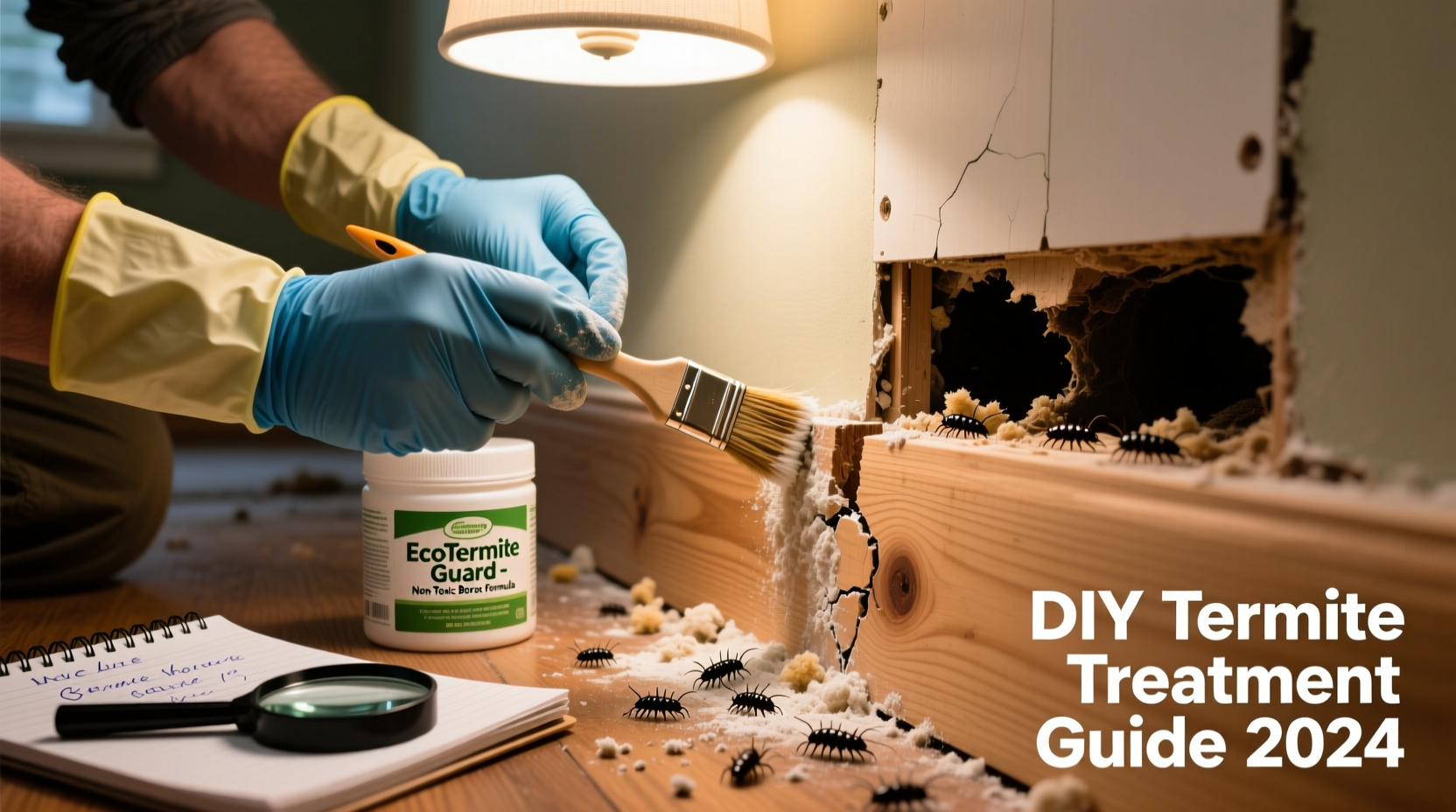
DIY termite treatment can provide temporary relief for minor, isolated infestations using borate solutions or bait stations, but it rarely eliminates entire colonies. Professional intervention is required in 95% of active infestations to prevent structural damage. This guide reveals which methods actually work for spot treatments and critical warning signs requiring immediate expert help.
Why Most DIY Termite Treatments Fail (And When They Might Work)
Termites operate in colonies of 50,000-1 million insects, with queens producing 10,000+ eggs daily. Most DIY approaches target visible termites but miss the colony's heart. Research shows homeowner treatments succeed only in these limited scenarios:
Valid DIY Applications
- Isolated drywood termites in single furniture pieces (not structural wood)
- Preventative treatment on new wood installations
- Temporary containment while waiting for professional service
Subterranean termites—which cause 90% of U.S. damage—require colony elimination impossible through DIY. Their nests can extend 300+ feet from your home. Attempting full eradication yourself risks accelerating damage by scattering colonies.
Immediate Actions When You Spot Termites
Follow this critical sequence before considering treatment:
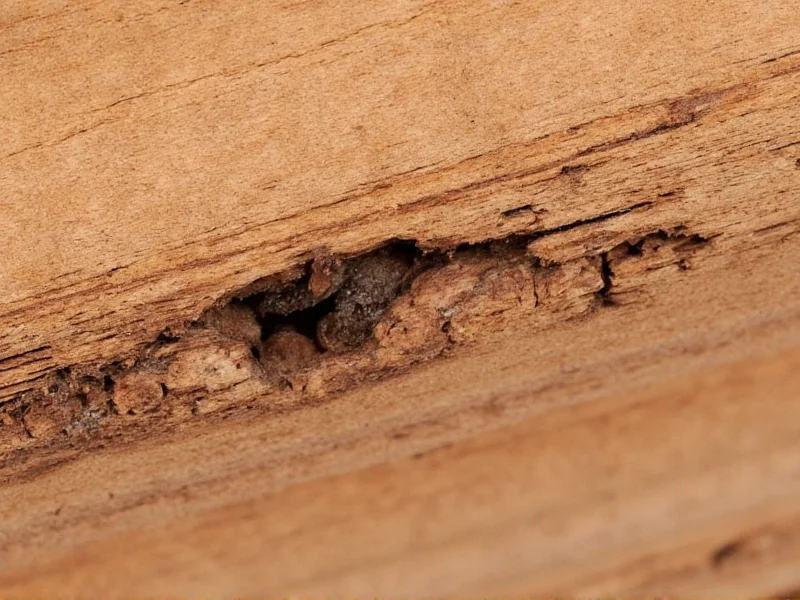
- Document evidence: Photograph swarmers, mud tubes, and damaged wood (vital for professional assessment)
- Preserve samples: Collect dead termites in a sealed bag for species identification
- Stop moisture sources: Fix leaks near foundations—termites need 20%+ moisture to survive
- Never disturb mud tubes—they're termite highways; disruption scatters colonies
Three Science-Backed DIY Methods (With Strict Limitations)
| Method | How It Works | Success Rate* | Critical Limitations |
|---|---|---|---|
| Borate wood treatment | Penetrates wood fibers, disrupting termite digestion | 85% for surface prevention | Requires bare wood access; ineffective on painted/stained surfaces; takes 2+ weeks |
| Termite bait stations | Lures termites to slow-acting poison they share with colony | 40% for isolated colonies | Needs professional-grade bait; ineffective in cold months; requires 3-6 month monitoring |
| Orange oil spot treatment | Destroys termites on contact via d-limonene | 20% for active colonies | Only kills visible termites; flammable; requires drilling into wood |
*Based on University of Florida Entomology Department field studies (2023)
Red Flags Requiring Professional Intervention
Call a licensed pest controller immediately if you observe:
- Mud tubes on foundation walls (indicates subterranean colony)
- Hollow-sounding wood when tapped (advanced structural damage)
- Swarmers inside your home (colony is mature and reproducing)
- Frayed drywall or bubbling paint (termites in wall voids)
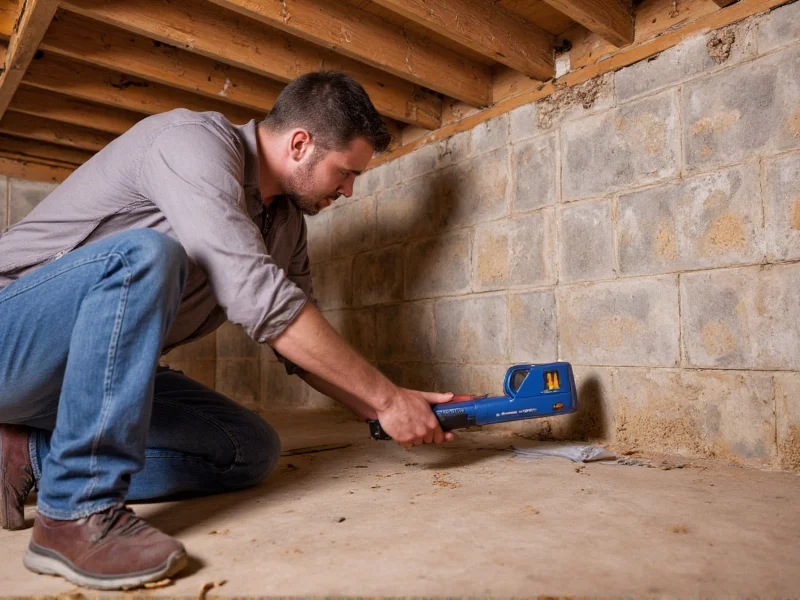
Ignoring these signs risks $3,000-$15,000 in repair costs. Professionals use thermal imaging, moisture meters, and colony-targeting treatments like Termidor® that DIY products can't replicate.
Choosing the Right Professional (Without Getting Scammed)
Verify these credentials before hiring:
Essential Checklist
- Licensed pest control license (check state database)
- Minimum 5 years termite-specific experience
- Warranty covering retreatment (minimum 1 year)
- Written inspection report with moisture readings
Avoid companies offering "one-time" treatments—reputable providers use integrated approaches combining liquid barriers, baiting systems, and monitoring. Get three written quotes comparing treatment methods, not just prices.
Preventing Future Infestations: The Only Truly DIY Solution
Focus your efforts here for lasting protection:
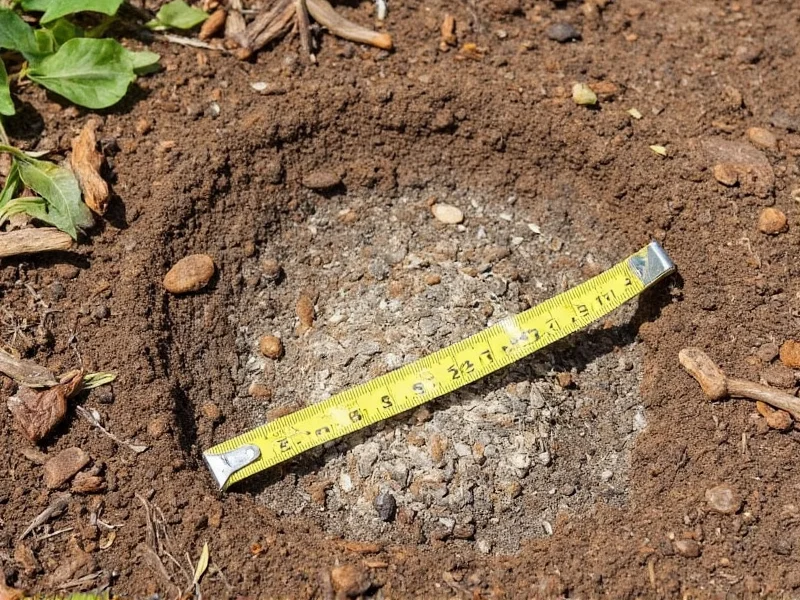
- Maintain 6-inch gap between soil and wood structures
- Fix gutter downspouts directing water away from foundation
- Store firewood 20+ feet from house on elevated racks
- Seal cracks >1/16 inch in foundations with polyurethane caulk
- Install stainless steel mesh termite shields during renovations
Prevention reduces infestation risk by 70% according to National Pest Management Association data. Combine with annual professional inspections for maximum safety.
Frequently Asked Questions
Can I eliminate termites with vinegar or essential oils?
No. Household solutions like vinegar only kill surface termites on contact. They lack the transfer effect needed to reach the colony. University studies show essential oils require 90%+ concentration to be effective—levels that damage wood and pose fire hazards.
How quickly must I act after finding termites?
Subterranean termites consume 1 foot of 2x4 wood monthly. Contact a professional within 72 hours of discovery. For drywood termites in furniture, isolate the item immediately but you have 2-3 weeks before structural risk.
Are DIY termite bait stations worth buying?
Consumer-grade bait stations (how to choose termite bait stations) have 40% lower success rates than professional systems due to inferior attractants. They work best as temporary monitoring tools while waiting for professional service—not as standalone solutions.
What's the cheapest way to handle minor termite damage?
For isolated drywood termites in non-structural wood: 1) Remove infested item 2) Treat surrounding wood with borate solution 3) Monitor for 90 days. Never attempt structural repairs yourself—improper patching accelerates damage.





 浙公网安备
33010002000092号
浙公网安备
33010002000092号 浙B2-20120091-4