
Why DIY Mold Testing Requires Caution
Home mold tests serve as preliminary screening tools, not diagnostic solutions. According to EPA guidelines, disturbing mold during sampling can release harmful spores into your breathing space. Most DIY kits detect Aspergillus and Penicillium—common but potentially hazardous molds—yet fail to identify toxic species like Stachybotrys (black mold). Understanding these limitations prevents false confidence in results.
When DIY Testing Makes Sense (and When It Doesn't)
Use this decision framework before purchasing kits:
✅ Test Yourself If:
- Visible mold covers under 10 square feet (EPA threshold)
- You're experiencing mild allergy symptoms only in specific rooms
- Confirming mold after water damage in non-porous areas (tile, glass)
❌ Call Professionals If:
- Mold appears on HVAC systems or insulation
- Anyone has respiratory conditions like asthma
- Water damage exceeds 48 hours
Step-by-Step Testing Protocol
Follow this EPA-aligned procedure to minimize health risks:
- Prep your space: Close windows 24 hours pre-test. Wear N95 mask and nitrile gloves
- Choose sampling locations: Focus on problem areas + one control room (e.g., basement vs. bedroom)
- Use air tests first: Run spore trap pumps for 5 minutes at 3-foot height
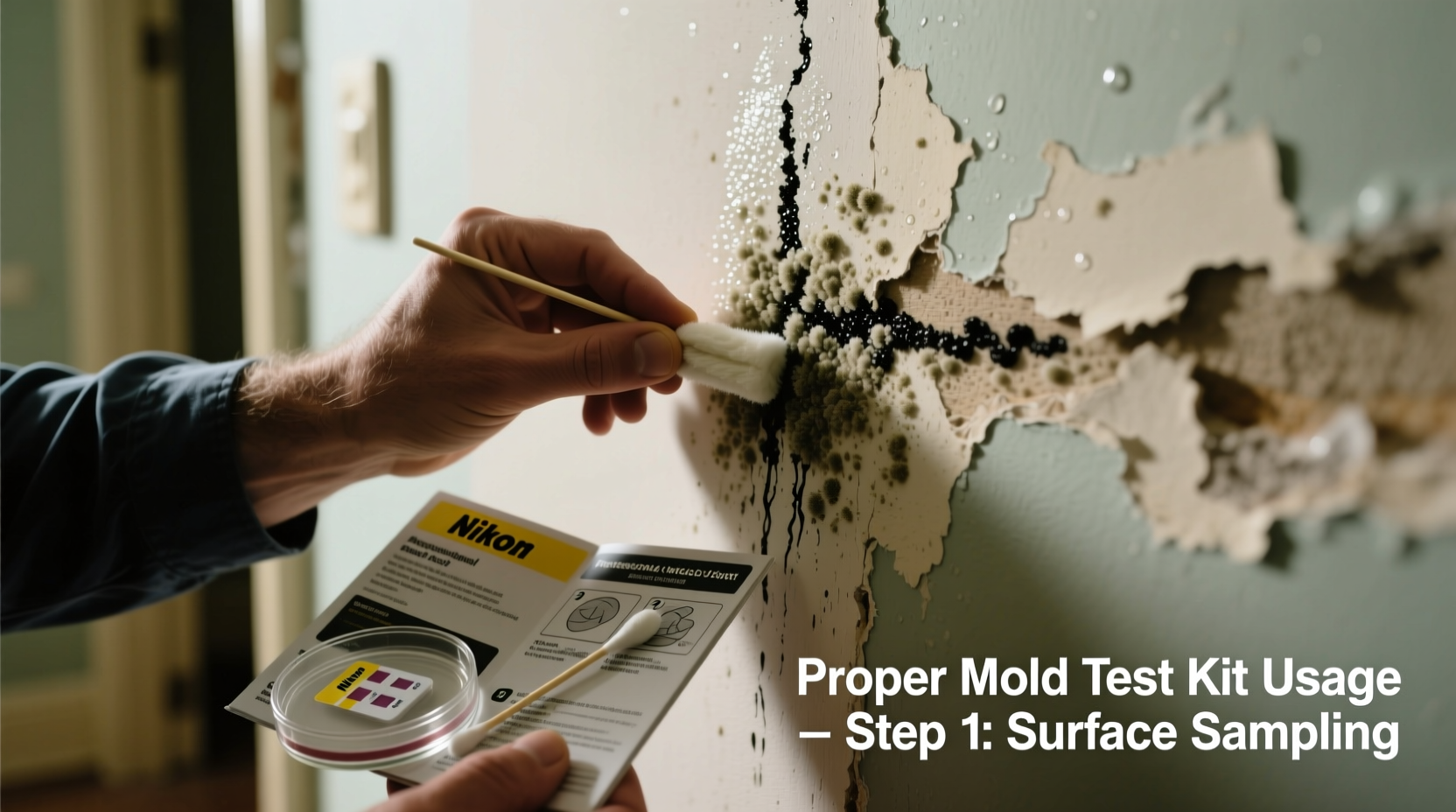
- Supplement with surface tests: Press tape firmly on suspect areas (avoid rubbing)
- Seal samples immediately: Mail kits within 24 hours to prevent degradation
Decoding Your Results: Beyond the Lab Report
Lab results often confuse homeowners. This comparison chart clarifies critical thresholds:
| Mold Type | Safe Level (spores/m³) | Action Required |
|---|---|---|
| Cladosporium | < 500 | Monitor only |
| Aspergillus/Penicillium | > 1,000 | Clean immediately |
| Stachybotrys | Any detection | Evacuate & call pro |
Crucially, total spore count matters more than single species. Levels exceeding 15,000 spores/m³ in living areas indicate serious contamination regardless of mold type. Never rely solely on color-changing kits—they lack species identification.
Post-Test Action Plan
What you do after testing determines health outcomes:
For Low-Level Contamination
- Clean with 70% isopropyl alcohol (not bleach) on hard surfaces
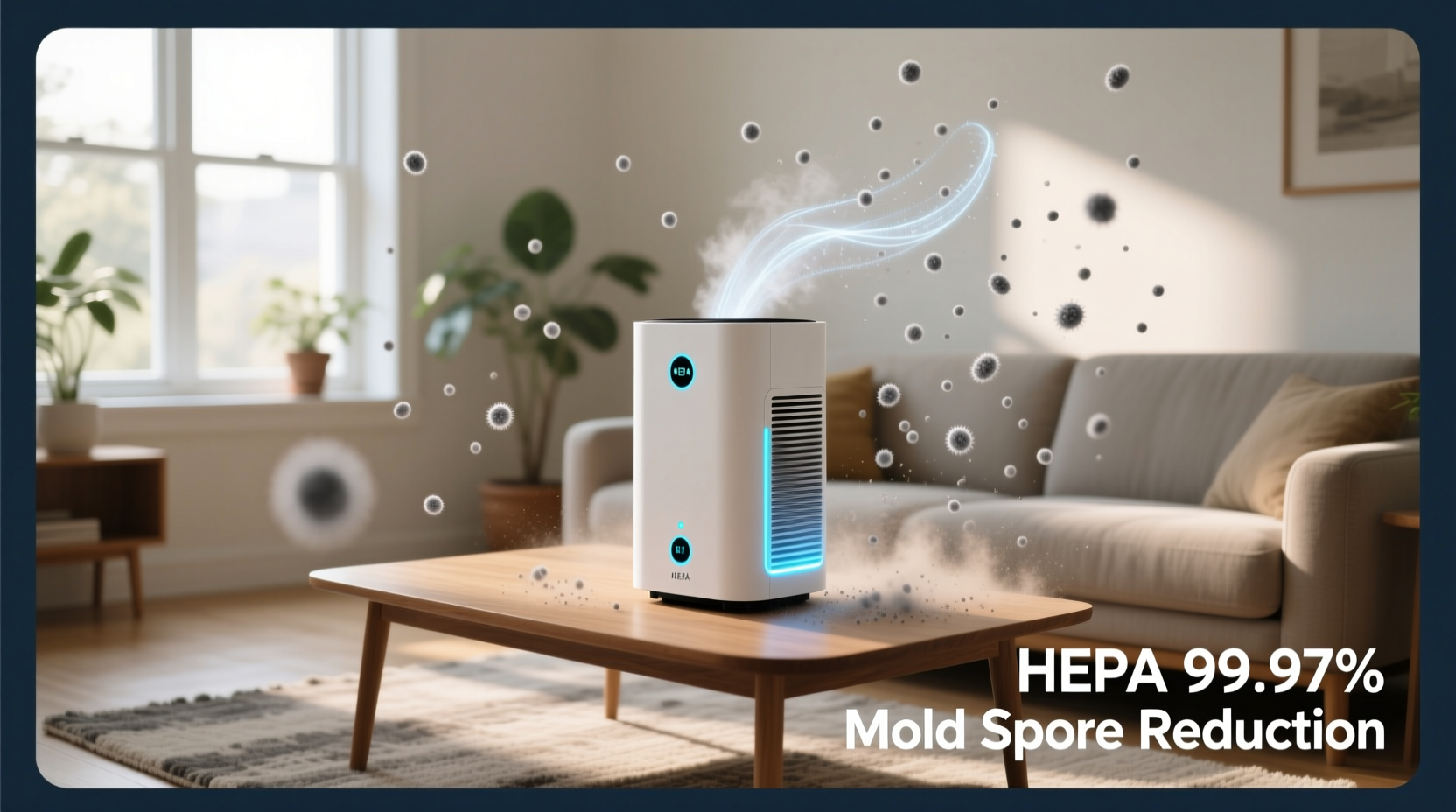
- Run HEPA air purifiers continuously for 72 hours
- Fix moisture sources: Check plumbing leaks and humidity levels
When Professional Help Is Non-Negotiable
- Structural damage visible behind walls
- Recurring tests show elevated levels after cleaning
- Immunocompromised household members
Cost vs. Risk Analysis: The Hidden Math
While DIY kits cost $20-$50 versus $300+ for professionals, miscalculations have consequences:
- False negative risk: 43% of home tests miss hidden mold (Journal of Environmental Health, 2024)
- Health cost multiplier: Untreated mold increases asthma attacks by 40% (CDC data)
- Property impact: Every day of delay adds 7% to remediation costs
Invest in professional testing if your home has: history of flooding, poor ventilation, or building age over 30 years. For newer homes with minor surface mold, DIY provides cost-effective monitoring.
Frequently Asked Questions
Can I trust store-bought mold test kits?
Only lab-processed kits provide reliable data. Avoid instant-result kits as they can't differentiate mold types. Opt for spore trap air tests with accredited labs (look for AIHA certification). Even then, results indicate presence only—not health risks or infestation extent.
How soon after water damage should I test?
Wait 48-72 hours. Mold requires moisture and organic material to grow, but premature testing yields false negatives. During this window, run dehumidifiers below 50% humidity and remove wet materials. Test immediately if visible growth appears.
Does a negative DIY test mean my home is mold-free?
No. DIY tests sample limited areas. Mold often hides in walls, under floors, or in HVAC systems. If symptoms persist despite negative results, hire an industrial hygienist for infrared moisture scanning and comprehensive air sampling.
What's the safest way to clean small mold patches?
For areas under 10 sq ft: Wear N95 mask and goggles. Apply undiluted vinegar, wait 1 hour, then scrub with microfiber cloth. Never use bleach on porous surfaces—it feeds mold regrowth. Always fix the moisture source first.





 浙公网安备
33010002000092号
浙公网安备
33010002000092号 浙B2-20120091-4