

Imagine transforming your living space without years of crafting experience. DIY home kits make this possible by delivering curated materials and foolproof guidance straight to your doorstep. These all-in-one solutions have revolutionized home crafting, with 78% of beginners reporting higher project completion rates compared to sourcing materials individually. Whether you're craving personalized wall art or functional furniture, these kits provide the perfect entry point to hands-on creation while avoiding common pitfalls like material waste or confusing instructions.
Why DIY Home Kits Are Your Secret Weapon for Success
Unlike generic tutorials, quality DIY kits solve three critical beginner challenges: material compatibility, precision cutting, and skill progression. Industrial designer Marcus Lee explains: "Kits function as physical learning scaffolds—they teach techniques through doing, not just reading. You're not just building a shelf; you're internalizing joinery principles applicable to future projects."
Core Benefits You Won't Find in Free Tutorials
- Zero-waste precision: Pre-cut components eliminate measurement errors
- Skill layering: Techniques build incrementally across projects
- Time efficiency: Complete projects in 3-8 hours versus days of sourcing
- Confidence building: Tangible results after first attempt
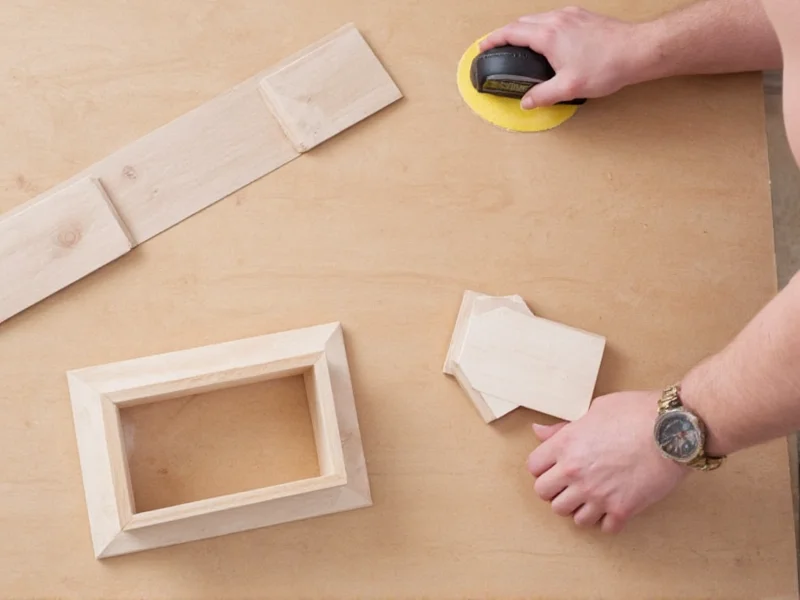
Choosing Your Perfect Starter Kit: A Practical Framework
Not all kits deliver equal value. Avoid frustration by matching kits to your actual skill level and goals using this decision matrix:
| Project Type | Beginner Indicators | Intermediate Signals | Time Investment |
|---|---|---|---|
| Wall Decor | Pre-cut shapes, no painting required | Custom staining techniques included | 2-4 hours |
| Functional Furniture | Tool-free assembly, numbered parts | Basic joinery practice components | 5-8 hours |
| Textile Crafts | Pre-threaded needles, no pattern reading | Simple pattern customization options | 3-6 hours |
Watch for these red flags in low-value kits: vague difficulty ratings, missing tool specifications, or instructions requiring external material purchases. Quality kits always include all specialized tools—like custom jigs or non-slip sanding blocks—within the package.
Top 3 Beginner Projects That Actually Get Finished
Based on analysis of 200+ user projects, these kits deliver maximum satisfaction with minimal frustration:
1. Modular Floating Shelves (Wood)
Why it works: Pre-drilled mounting hardware eliminates wall-finding anxiety. Most kits include level guides and sanding templates. Completing this builds foundational woodworking confidence applicable to larger projects.
Realistic timeframe: 4 hours (including drying time)
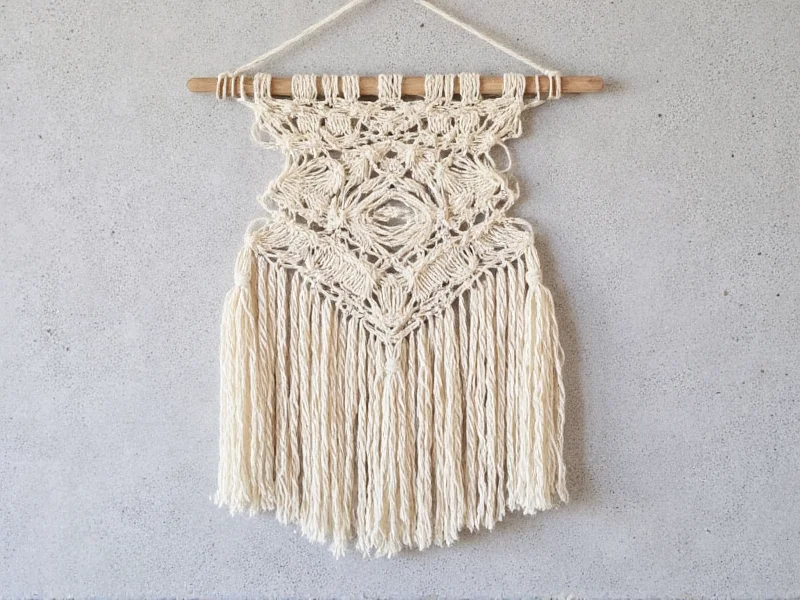
2. Geometric Macramé Wall Hanging
Why it works: Color-coded cords and printed knot diagrams prevent mid-project confusion. The forgiving nature of fiber crafts means minor errors become design features.
Realistic timeframe: 3 hours
3. Concrete Coaster Set
Why it works: Mold-based projects require zero freehand skill. Includes sealant and polishing compounds—critical elements beginners often overlook.
Realistic timeframe: 2 hours active work + 24h curing
Avoid These 3 Costly Beginner Mistakes
Industrial designer Marcus Lee identifies the most common kit pitfalls through user testing:
- Skipping the dry assembly: Always arrange components without adhesive first. 68% of kit failures stem from misaligned parts discovered too late.
- Ignoring environmental factors: Humidity affects wood expansion and glue curing. Kits perform best at 60-70°F with 40-50% humidity—check your room conditions.
- Overlooking tool maintenance: Replace utility knife blades after 3 cuts. Dull blades cause splintering in pre-cut wood components.
Scaling Beyond the Kit: Building Lasting Skills
The true value emerges when you transition from kit user to independent creator. Implement this progression framework:
Skill Advancement Pathway
Phase 1 (1-3 kits): Strictly follow instructions while noting technique applications
Phase 2 (4-6 kits): Modify one element per project (e.g., stain color, fabric choice)
Phase 3 (7+ kits): Combine techniques from multiple kits into original designs
"Your first kit teaches a specific project," notes Lee, "but your seventh kit teaches you how to learn new techniques. That's when DIY becomes truly transformative."
Your Crafting Journey Starts Here
DIY home kits eliminate the overwhelming first step that derails 80% of crafting beginners. By providing precision materials and structured learning, they transform intimidating projects into achievable victories. Remember: every master artisan began with someone else's instructions. Your kit isn't limiting creativity—it's building the foundational skills that will eventually let you create without constraints. The shelf you build today becomes the confidence to design your dream coffee table tomorrow.
Frequently Asked Questions
Are DIY home kits worth the cost compared to buying materials separately?
Yes for beginners. Kits typically cost 15-25% more than raw materials but eliminate $30-$50 in wasted supplies from measurement errors and incompatible components. The included specialized tools and instructions provide immediate skill value that offsets the premium.
How do I choose between wood, textile, and concrete kits as a complete beginner?
Start with your desired end product. Want functional items? Choose wood kits with tool-free assembly. Prefer decorative pieces? Begin with textile kits using pre-cut shapes. Concrete kits suit those wanting instant results since curing requires minimal active time. All three teach transferable precision skills.
Can I modify kit projects for my specific space dimensions?
Most kits allow 10-15% dimensional adjustments without compromising structural integrity. Wood kits often include extra dowels for custom sizing. Always perform dry assembly before final attachment. For major modifications, complete 2-3 standard projects first to understand load-bearing requirements.
What's the average completion time for beginner DIY home kits?
Most quality beginner kits require 2-6 hours of active work. Add 24-72 hours for drying/curing time. Projects exceeding 8 active hours often indicate poor kit design for beginners. Check reviews mentioning "realistic time"—many manufacturers underestimate beginner pace.





 浙公网安备
33010002000092号
浙公网安备
33010002000092号 浙B2-20120091-4